Can exosomes help with skin care and hair loss?
March 16, 2026

A new skin rejuvenation treatment is taking the aesthetic world by storm: exosomes.
Naturally produced in our cells, these microscopic messengers are touted in beauty magazines and news reports as a breakthrough skin-care option to calm facial inflammation and improve the appearance of aging skin.
Exosome-based treatments are topical, applied as a gel or serum. Early data suggests exosomes are safe, with a low risk of side effects beyond potential allergies to product ingredients.
Skin-care experts in the UT Southwestern Department of Plastic Surgery offer exosome treatments for patients seeking smoother, more youthful skin and enhanced recovery after facial rejuvenation procedures. I’ve used them myself and have noticed a reduction in fine lines and an improvement in the texture and quality of my skin.
While early data on exosomes show promise, the full capabilities, optimal formulations, and best uses are still being defined. Because exosomes are so new, long-term data and large randomized clinical trials – the gold-standard to determine safety and effectiveness – are limited.
As with any new skin treatment option, exosomes are not a silver bullet to reverse the aging process. Learning about what exosomes are and how they work can help you make the best skin-care decisions.
What are exosomes?
Exosomes are tiny, membrane-bound vesicles secreted by cells. Think of vesicles as a sophisticated delivery system – they carry a payload of proteins, lipids, and genetic material such as DNA and RNA to help your cells communicate.

When applied to the skin, the exosomes are absorbed by our cells. Once inside, they deliver signals that encourage existing cells to make more collagen and elastin, which support the skin’s supple, youthful appearance.
While exosomes are often discussed alongside stem cell-based therapies, these two approaches are fundamentally different:
- Stem cell treatments typically require harvesting, concentrating, and reinjecting living cells that then work to rejuvenate the surrounding tissues.
- Exosomes are not living cells. They are stable cellular byproducts that act on existing cells to trigger a regenerative response.
Exosomes can be formulated from human, animal, or plant sources. Human- or animal-based exosomes are typically derived from platelets, plasma, or umbilical cord blood. Plant-based options often come from kale or roses and are gaining popularity as a more "natural" approach. Patients can choose the source based on their personal preferences, and all types function in generally the same way.
There are many different types of exosome products on the market right now, ranging from less than $20 to several hundred dollars per unit. As with any cosmetic product, it is important to consider the quality of the product and its ingredients before applying it to your skin. If you are unsure about a product or its application method, talk with a board-certified plastic surgeon or aesthetician to help you make an informed decision.
Related: Read “Relaxing wrinkles and smoothing skin: 8 tips for Botox beginners”
How are exosomes used in aesthetic medicine?
Exosome treatments are designed to be easy for patients to use. The only step is applying the serum to the skin. Our aestheticians are currently integrating exosome products in three ways:
- After laser treatments: Laser resurfacing procedures remodel the skin by heating and removing damaged skin cells, which can cause temporary inflammation. Exosomes applied after laser treatment may help calm inflammation and support faster, more efficient recovery.
- Facial rejuvenation: Exosomes can be part of a broader skin-care plan to complement the basics, such as sun protection and moisturizing. Some patients use them alongside fillers or retinol-based treatments or after a facial cosmetic surgery to tighten sagging skin.
- Hair restoration: While exosomes cannot restore total hair loss, early studies suggest they may help improve hair density and thickness for patients with early or moderate thinning.
Exosomes are not a miracle cure and should be viewed as one approach in a comprehensive skin-care strategy. You’ll get the best results if you use them as a complement to pillars of skin health, such as consistent use of broad-spectrum sunscreen, a gentle cleansing routine, and proper hydration.
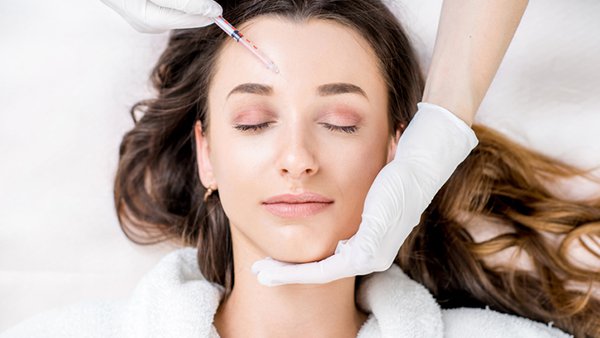
How to get started with exosomes
Exosomes represent a different way of thinking about rejuvenation. Instead of forcing change, they guide the cells to improve their function.
If you want to try an exosome-based treatment, talk with a board-certified plastic surgeon who is experienced in regenerative medicine. We can help you create a customized skin rejuvenation plan to meet your goals and to fit your busy schedule.
Results with topical treatments like exosomes are usually gradual and subtle. No treatment can stop the aging process entirely, and results may vary from person to person. We’ll help you set realistic expectations and decide which therapies or procedures can help you achieve the appearance you want to see in the mirror.
To talk with an expert about exosomes or plastic surgery options, make an appointment by calling 214-645-2353 or request an appointment online.