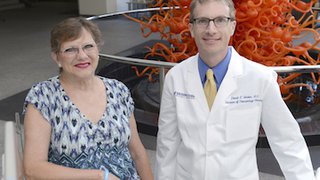
Lung cancer can be difficult to treat. But a drug originally used to treat skin cancer is showing promise for improving quality of life for lung cancer patients like Donna Fernandez. Add your voice - #CallOutCancer today.
Cancer can leave patients scarred, both physically and emotionally. Is there hope for regaining sexuality and intimacy after cancer treatment? Add your voice - #CallOutCancer today.
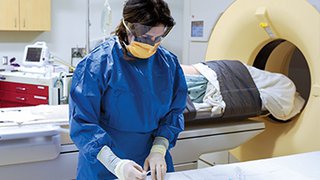
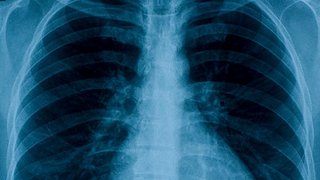
Low-dose computed tomography (LDCT) screening for lung cancer represents a vital new opportunity to more frequently catch tumors early, when they often can be cured with surgery.
As the only National Cancer Institute–designated cancer center in the North Texas region, UT Southwestern’s Simmons Cancer Center is committed to sharing its expertise and improving the quality of lung cancer care for this area of the country.
Pervasive and particularly deadly, lung cancer has remained intractable even as other cancers have yielded more readily to treatment advances. But science is steadily shedding light on therapeutic approaches that may begin to turn the odds of beating the disease in lung cancer patients’ favor.
Assaults on KRAS. Researchers are finding new ways to neutralize the impact of the KRAS gene mutation, a notorious molecular villain in lung as well as other cancers.
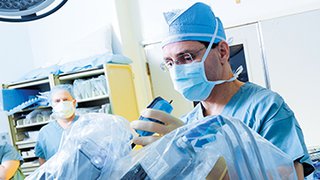
The most advanced minimally invasive surgical techniques, used routinely at UT Southwestern to resect early-stage lung cancers, are sparing patients much of the pain and debility that can accompany open thoracotomy.