Brittany Weber, M.D., discusses the link between inflammation and heart disease and how UT Southwestern Medical Center’s new program helps identify cardiovascular risks sooner.
Could enlicitide help lower your LDL cholesterol? Learn who may benefit from the first oral PCSK9 inhibitor and why statins remain the first-line treatment.
Breast cancer therapies can affect cardiovascular health. Learn how Cardio-Oncology and Women’s Heart Health programs support risk assessment, monitoring, and prevention before, during, and after treatment.
Curious how to prevent heart disease? Learn how lifestyle changes, new medications, and emerging treatments can counter the five major causes of heart disease.
Cigarette alternatives raise your risk of a serious heart condition. Learn how a new study clarifies the cardiovascular effects from pipes, cigars, and smokeless tobacco.
Research shows that women who have certain complications during pregnancy, such as preeclampsia, gestational diabetes, and preterm birth are more likely to develop heart problems later in life.
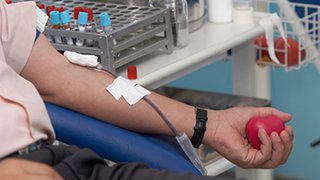
Having a heart condition doesn’t necessarily exclude you from donating blood. UT Southwestern explains which heart patients can and can’t safely give blood.
Obesity, heart and kidney diseases, and diabetes are all connected, and now that the American Heart Association has formalized CKM syndrome, it could change the future of cardiology.
Thinking about taking fish oil pills for heart health? See why eating fish, rather than taking supplements, is the best and most affordable way to get omega-3 fatty acids.
South Asian patients tend to develop heart disease earlier in life and at lower BMIs. Explore a new program at UT Southwestern designed to identify patients at risk and intervene to save lives.