There’s no place like home. It’s comfortable. It’s familiar. And for many older adults, aging in place is meaningful to their independence. Every day, through house calls and in-office visits, our geriatrics team sees how deeply our patients value staying in their own homes when it is safe to do so.
The good news is that maintaining independence and achieving safety at home don’t have to be competing goals. With thoughtful planning and the right support, many older adults can continue living safely and confidently at home.
Let’s talk about some of the most important ways you can make that happen.
Falls are common but not ‘normal’
One of the biggest threats to independence at home is falling. Falls become more likely with aging because of shifting health conditions and physiological changes. But falling should not be considered normal or inevitable.
There are many reasons why the risk of falling increases with age:
- Medications: Some can affect balance, blood pressure, or alertness.
- Age-related muscle loss: Sarcopenia is the decline of strength and muscle mass that can come with aging.
- Chronic conditions: Osteoarthritis, for example, can affect stability. Uncontrolled diabetes can cause neuropathy, leading to numbness in the feet and difficulty sensing where you are stepping.
- Heart rhythm issues: Certain heart conditions and medications used to treat them can increase fall risk.
- Vision changes: Cataracts and other vision problems can affect depth perception and increase the risk of tripping.
- Environmental hazards: Throw rugs, poor lighting, and narrow doorways (especially if you use a walker) can contribute to a higher risk of falls. Footwear such as flip flops, slippers, or high heels can exacerbate balance issues.
If you have fallen, even if you weren’t injured, tell your doctor. Falls are often under-reported, sometimes because of embarrassment or because people don’t want to be a bother. But every fall is a notable medical event, and we want to help you prevent the next one.
The physical and emotional toll of falls

Falls can lead to fractures, traumatic brain injuries, and bleeding, especially for people who take blood thinners or aspirin. Falls are a leading cause of injury-related deaths in older adults, and millions of emergency department visits each year are related to falls. More than 300,000 seniors in the U.S. suffer hip fractures annually, and nearly 90% are caused by falling. Fall-related hip fractures can reduce lifelong mobility and even be fatal.
The emotional impact of a fall can be just as serious.
Fear of falling is very real. I’ve cared for patients who became nearly bedbound, not because of a medical condition but because they were so afraid of falling again. Unfortunately, the less you move, the weaker you become – and that cascade can increase your risk of falling.
Talk with your doctor about your concerns. We can help rebuild your confidence. Sometimes that means starting small, such as setting short and achievable movement goals, placing chairs along a walking path for rest breaks, and tying activity to what matters most to you. A referral to physical therapy can make a big difference in breaking the cycle of falling.
Tips to reduce fall risks at home
Simple, practical changes can make a big difference:
- Remove throw rugs or secure them firmly.
- Improve lighting, especially in hallways and bathrooms.
- Install grab bars in bathrooms (professionally installed bars are the safest).
- Consider toilet risers with arm supports if standing up is difficult.
- Wear supportive footwear with backs and good grip. Skip flip-flops and high heels. Reach for the fancy flats instead.
- Address foot health issues such as bunions or nail conditions that can affect balance and the fit of your shoes.
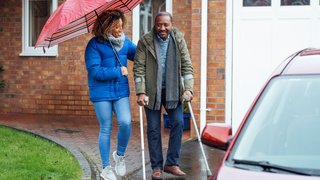
- Use assistive walking devices consistently and correctly. Canes and walkers should be properly fitted. There can be stigma around using a cane or walker, but these tools can preserve your independence — personalize it with decorations that are uniquely you!

House calls for primary care
In 2015, UT Southwestern launched a home-based primary care program for older adults. We bring health care to the patient’s home, helping those with mobility concerns keep their regular checkups for chronic conditions such as high blood pressure or diabetes. Our goal is to help you feel healthy, stay vibrant, and avoid costly advanced or emergency care due to difficulty getting to the doctor’s office. From blood draws and vaccinations to nutrition and mental health support, we can help you manage your health, reduce hospital readmissions, and stay safe and independent at home.
More tips to stay safe and independent at home
Use a medication management system
Older adults with multiple medical conditions often see several specialists. That adds up to managing multiple prescriptions, which can make it feel like a full-time job just to stay on track.
Different prescriptions may need to be taken with food or on an empty stomach, at different times of day, or weekly instead of daily. Without an organizational system, it can be easy to miss doses or accidentally double them.
But there are tools designed to help make medication management easier, including:
- Pillboxes, which are available in many forms, including once-a-day or four-times-a-day containers.
- Locked pillboxes for medications that require extra caution.
- Pillboxes with alarms for those with mild memory concerns.
- Phone alerts, such as calendar reminders or timers for weekly medications.
We also encourage patients to bring their medication bottles to doctor’s visits. We are happy to review everything with you and eliminate duplicates or unnecessary prescriptions. Medication safety is not just about organization. It’s also about reducing fall risks, preventing drug interactions, and making sure every medication still serves a purpose.
Acknowledge check-ins and accept support
Independence does not mean isolation. Having a strong support system is one of the most important factors in safely aging at home. But it can be tough for older adults to ask for and accept help – especially if you have always been the one pitching in for others. And families often struggle to balance respecting independence with ensuring safety.
Technology can help bridge the gaps, particularly when family members don’t live nearby:
- Smartwatches with fall detection can sense sudden movements and automatically alert a chosen contact.
- Medical alert systems, such as an emergency call button pendant, can bring help to you in an emergency and may be covered by insurance.
- Safety apps: A variety of smart phone apps for people who live alone offer daily check-ins with reminders. They will notify your emergency contact if you fail to respond.
- Personal daily check-ins through neighbors, family group texts, independent living communities, or religious communities can offer companionship as well as a sense of security.
For families of loved ones with cognitive impairments, in-home cameras may be an option for remote check-ins. However, this requires a thoughtful discussion about privacy, comfort, and safety within the home. The goal of checking in is not to monitor every move a person makes, it’s to ensure help is available and can be accessed when it is needed.

Independence and safety can coexist
I often talk with patients about what matters most to them. If staying in your home is at the top of that list, we can help you do that as safely as possible.
With proactive conversations, smart home adjustments, medication review, and thoughtful support systems, many older adults can continue living independently at home.
If you or a loved one has fallen or is concerned about safety at home, start the conversation with your doctor. There are more solutions than you might think.
To talk with an expert about fall risks or safely living at home as an older adult, make an appointment by calling 214-645-8650 or request an appointment online.