

The Peter O’Donnell Jr. Brain Institute brings together transformative research and patient-centered care to improve the lives of patients today and those of generations to come.
Dysautonomia
New Patient Appointment or 214-645-8300
UT Southwestern Medical Center offers special expertise in diagnosing and treating dysautonomia (autonomic disorders), a group of diverse and often disabling conditions of the autonomic nervous system.
What Are Autonomic Disorders (Dysautonomia)?
Dysautonomia is a group of diseases that affect the automatic functions of the body, such as heart rate, blood pressure, and temperature. Some forms may be temporary or reversible, but other disorders are chronic and require ongoing management.
Sometimes the terms “autonomic disorders” or “autonomic failure” are used to describe these disorders.
Why Choose UT Southwestern for Autonomic Disorders (Dysautonomia) Care?
Diagnosis of dysautonomia often requires testing that is available only at academic medical centers like UT Southwestern.
Our patients have access to a multidisciplinary care team and a full range of neurodiagnostic tests. Through our expert use of these and other assessments, we provide the most accurate diagnoses and compassionate, effective care.
Our team has nationally and internationally recognized research leaders in autonomic disorders and related neuromuscular disorders, allowing us to offer the latest treatments

What Are the Types of Autonomic Disorders (Dysautonomia)?
Types of dysautonomia include:
- Autonomic neuropathies, conditions that affect the nerves that carry autonomic information to the body. These are usually related to other conditions such as diabetes, amyloidosis, or rheumatological disorders
- Genetic autonomic disorders, including familial dysautonomia and other hereditary sensory and autonomic neuropathies
- Autoimmune autonomic ganglionopathy (AAG), a very rare condition caused by antibodies that interfere with communication in the autonomic nervous system
- Multiple system atrophy (MSA), a progressive neurodegenerative disorder that causes deterioration and shrinkage of the parts of the brain that regulate internal body functions, digestion, and motor control
- Pure autonomic failure (PAF), a rare degenerative condition that causes gradual autonomic failure
Other autonomic disorders are not associated with autonomic dysfunction and are often considered types of dysautonomia, including:
- Neurocardiogenic syncope (NCS)/vasovagal syncope, which involves sudden fainting (syncope) episodes due to a sudden drop in heart rate and blood pressure. It can be triggered by stress, pain, or standing for long periods
- Postural orthostatic tachycardia syndrome (POTS), characterized by a significant increase in heart rate upon standing, along with symptoms such as dizziness, lightheadedness, palpitations, and sometimes fainting

What Are the Usual Symptoms of Autonomic Disorders (Dysautonomia)?
When the autonomic nervous system is not working properly, patients can develop a wide range of symptoms that vary depending on the type of condition.
It’s important to note that many of the symptoms are not specific to autonomic disorders and can be present in many other medical conditions. These symptoms can include:
- Lightheadedness and fainting
- Rapid heart rate
- Low blood pressure when standing up
- Very high blood pressure when lying down
- Inability to sweat
- Constipation
- Delayed emptying of the stomach, leading to nausea
- Bladder problems
- Dry mouth
- Sexual dysfunction
How Are Autonomic Disorders (Dysautonomia) Diagnosed?
Diagnosing these conditions correctly can be challenging due to the broad range of symptoms and overlap with other conditions. Many physicians are not familiar with autonomic disorders. Diagnosis often requires ruling out other conditions that can mimic autonomic problems
Our doctors may use a variety of tests, including:
- Autonomic function tests, which may include the Valsalva maneuver, heart rate variability testing, thermoregulatory sweat testing, and the tilt table test, which assesses heart rate and blood pressure responses to changes in posture
- Pupillometry, to evaluate the response of the pupils to light
- Blood tests, to check for underlying causes or contributing factors
- Skin biopsy, to examine the small nerve fibers
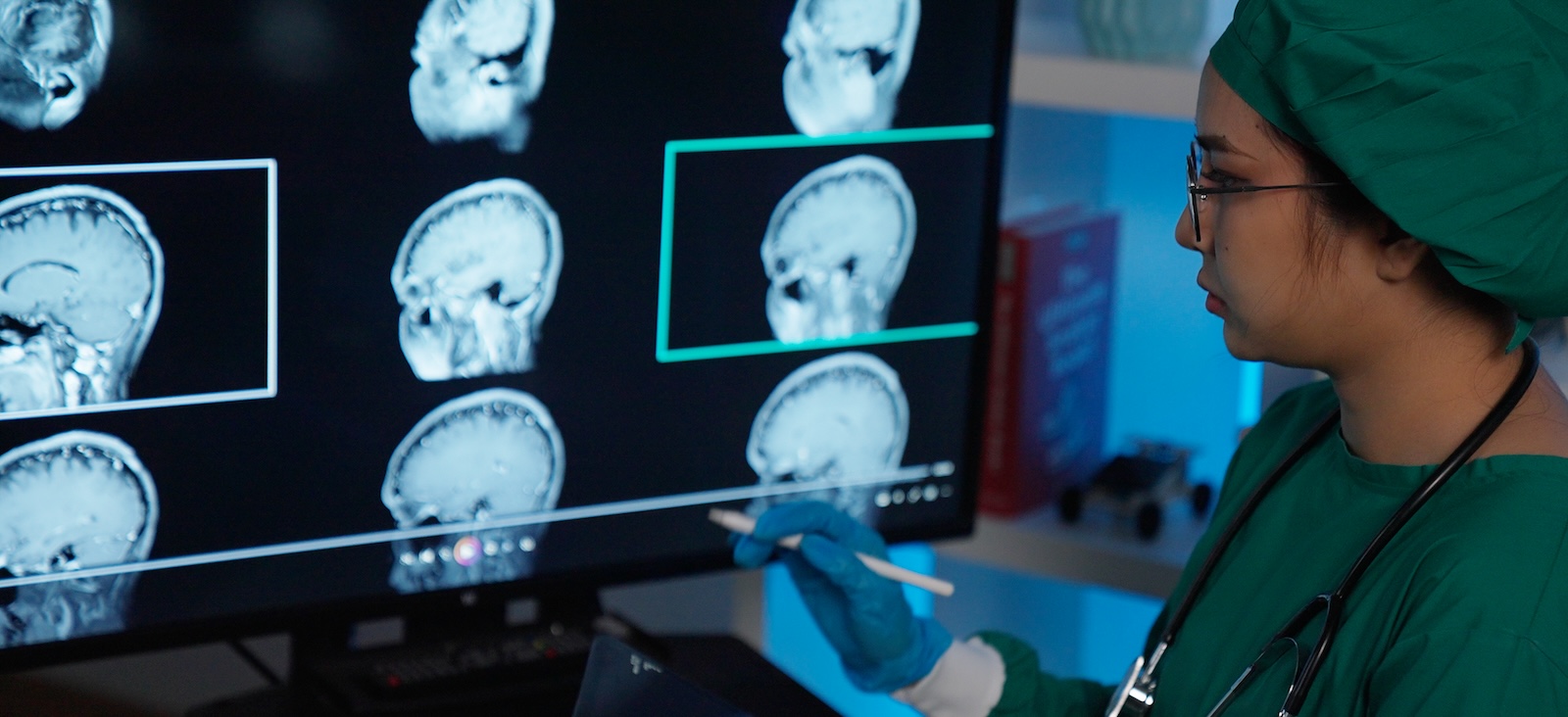
- Magnetic resonance imaging (MRI), imaging of the brain to look for changes in the parts responsible for coordinating automatic functions
How Are Autonomic Disorders (Dysautonomia) Treated?
The first step after diagnosis is to identify and correct any treatable medical or neurological conditions that may contribute to autonomic problems.
Medications must be carefully reviewed, since many medications interfere with normal autonomic functions; medication adjustments can often help improve symptoms.
There is currently no cure for many autonomic disorders (especially autonomic failure), but many symptoms can be improved. We personalize treatment based on the specific type of autonomic disorder and its underlying causes.
A treatment plan can include:
- Lifestyle modifications, such as dietary changes, identifying and avoiding symptom triggers, increasing fluid and salt intake, and wearing compression garments to improve blood flow
- Medications to regulate the patient’s blood pressure or heart rate
- Medications to manage specific symptoms (such as nausea or constipation)
- Physical therapy and exercise programs to help improve or “rebalance” autonomic function
What Support Services for Autonomic Disorders (Dysautonomia) Does UT Southwestern Offer?
Our dysautonomia patients benefit from a multidisciplinary approach that includes coordination with experts in other neurological specialties, such as movement disorders, headache, neuromuscular, gastroenterology, physical therapy, nutrition, palliative care, and sleep medicine, as well as collaboration with experts in other UT Southwestern departments and divisions, including Cardiology and Physical Medicine and Rehabilitation.
For patients with MSA, we offer specialized, ongoing care that has earned UT Southwestern designation as a Center of Excellence by Mission MSA. Our licensed clinical social workers (LCSWs) provide emotional support for patients and family members, in partnership with psychologists and psychiatrists as needed.
What Clinical Trials Are Available for Autonomic Disorders (Dysautonomia)?
Our physicians and scientists are involved in a number of research and therapy studies related to dysautonomia. Learn more about our researchers and their current research.
Related Conditions and Treatments

Find a Clinical Trial
Search for opportunities to participate in a clinical research study.

Award-Winning Care
We’re one of the world’s top academic medical centers, with a unique legacy of innovation in patient care and scientific discovery.

UTSWMyCare
UTSWMyCare is your convenient, one-stop, accessible, connected, on-the-go health resource.
Results: 1 Locations
Neurology Clinic - Movement Disorders
at James W. Aston Ambulatory Care Center 5303 Harry Hines Blvd., 8th FloorDallas, Texas 75390 214-645-8800 Directions to Neurology Clinic - Movement Disorders at James W. Aston Ambulatory Care Center, Dallas Parking Info for Neurology Clinic - Movement Disorders