Appointment New Patient Appointment or 214-645-8300

More Blogs

MedBlog

All Stories

How to manage anxiety about pain during common pregnancy tests

A little squeamish about pain? UT Southwestern discusses tips to feel less anxious about pain or discomfort during common pregnancy tests and exams.

When is it time for a knee replacement?

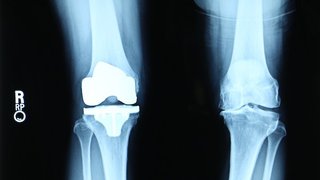
Knee replacement is one of the most common orthopedic procedures, but not everybody needs surgery. UT Southwestern discusses noninvasive relief options for osteoarthritis pain as well as what to know if you need a knee replacement.

9 myths about epidurals – debunked

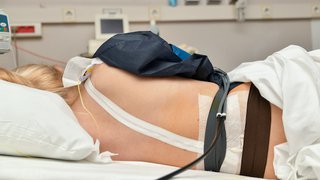
Epidurals are generally safe and effective for labor pain management, but myths abound! UT Southwestern debunks 9 common myths about epidurals in this week's Your Pregnancy Matters blog.

Boy is seizure-free after advanced epilepsy surgery

Born 16 weeks early, Jordan's health defied the odds. But at age 4, he started having back-to-back seizures – as many as 50 a day. See how team-based care and precision epilepsy surgery gave Jordan his life back, free from seizures.

How can having low platelets affect my pregnancy and birth plan?

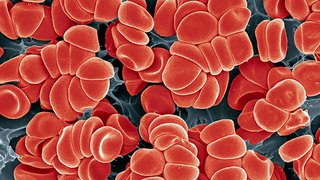
Having low platelets is common in pregnancy, as 'This Is Us' star Mandy Moore recently discovered. But for some patients, it increases the risk of complications. Find out what causes low platelets and how it's treated in this week's Your Pregnancy Matters blog.

The hips don't lie: Signs it's time to consider hip replacement

When our hips don’t move well, it can lead to reduced mobility and pain. UT Southwestern discusses treatment options and when it might be time to think about a hip replacement.

My COVID-19 action plan: How to cope when the virus hits home

You can get COVID-19 even if you do everything right. Get UT Southwestern's action plan to keep the rest of the family safe if the virus hits your home.

Picky eater or something more serious? Kids and EoE

Eosinophilic esophagitis (EoE) is a newly recognized chronic inflammatory condition that causes vomiting and trouble swallowing in children. UT Southwestern discusses diagnosis and treatment of EoE in this week's MedBlog.

Postpartum hypertension: When a new mom's blood pressure is too high

High blood pressure risks in pregnancy don't end with delivery – up to six weeks after having a baby, postpartum hypertension can cause strokes. UT Southwestern discusses how women can protect their health between Ob/Gyn visits.

Follow the clues to find hope for advanced heart failure

A diagnosis of advanced heart failure sounds ominous, but the key to managing the condition is detecting it early. UT Southwestern shares six simple clues that can help patients recognize advanced heart failure so they get the specialized treatment they need.

5 foods rich in heart-healthy polyphenols

Research has indicated that foods such as chocolate, red wine, and olive oil, which are rich in natural chemical compounds called polyphenols, may offer protection from heart disease.

After the fall: RESTORE bone health and prevent future hip fractures in seniors

More than 95 percent of hip fractures in seniors are caused by falling. RESTORE, UT Southwestern's new hip fracture and fall prevention program, reduces time-to-surgery by 50 percent and gives seniors tools to avoid future fractures.

4 studies that defy conventional thinking about race, weight loss, and heart health

African-Americans are not genetically predisposed to heart disease, diabetes, and high blood pressure. Recent UT Southwestern studies dispel conventional thinking around race, weight loss, and heart health and push for personalized, equitable patient care.

Feeling tired during pregnancy? You might have sleep apnea

Approximately 20% of pregnant patients have sleep apnea, which can increase the risk of health complications in pregnancy and long term. Learn the symptoms and treatment options in this week's Your Pregnancy Matters blog.

How cold, flu, and allergy symptoms can hurt your voice

Most of us don’t really think about our voice as a tangible thing that requires care – until we can’t use it because of illness. When you get sick and lose your voice, you may think it’s just a normal part of being sick.