ACOG recommends vaginal hysterectomy if patients need one, but only 25% are done that way. See how vNOTES, an advanced approach, could offer more patients less invasive surgery.
All women deserve safe, effective birth control should they want it. UT Southwestern talks about how we can improve access to contraception while keeping women safe and healthy.
UT Southwestern's pediatric adolescent gynecologist merge conversations and medicine to provide care and education for girls dealing with reproductive health concerns.
Cesarean scar ectopic pregnancy is a rare, life-threatening complication after a prior C-section. Explore treatments and patient choices involved in this rare condition.
Many home pregnancy tests are advanced enough to detect pregnancy several days before a missed period. UT Southwestern discusses what women need to know before choosing a home pregnancy test.
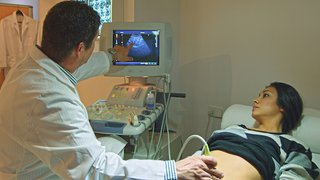
When an ultrasound showed the Menous’ son would have limb differences, they started researching ways to give him a healthy start. Get their tips in this week’s blog.
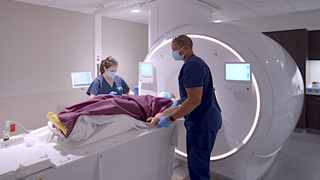
A new radiation therapy approach offers curative potential for gynecologic tumors. Learn about adaptive radiation therapy (ART) and two clinical trials at UT Southwestern to help women with cancer.
Gestational diabetes, a form of diabetes that develops only during pregnancy, can, without proper management, lead to risks for moms and their babies. Discover how eating a healthy diet typically leads to normal, healthy deliveries.
In 2020, UT Southwestern earned the Level 4 maternal health center designation – the highest level of care. Explore what this does and doesn’t mean for patients.
Labor and Delivery checklists might seem impersonal, but they help us optimize your childbirth experience. Explore UT Southwestern's delivery checklist philosophy.
PARP-1 inhibitor drugs can reduce the risk of BRCA- and HRDS-associated ovarian cancer by 70%. New research at UT Southwestern Medical Center may help expand treatment to more patients.
Pregnant patients are now being screened for hepatitis C, a liver-damaging virus that can infect a fetus during pregnancy. Learn about the screening and treatments now.
Many articles about fetal hiccups end with a cautionary tale, but the science says fetal hiccups are likely nothing to worry about. UT Southwestern discusses why in the Your Pregnancy Matters blog.