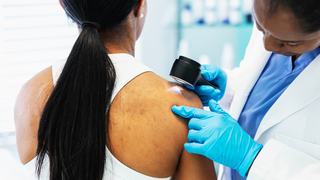
What people of color should know before getting plastic surgery or a skin procedure
June 3, 2026

People with melanin-rich skin often hear conflicting advice about cosmetic procedures and skin treatments. Some worry that surgery will automatically lead to visible scars or discoloration. Others assume treatments such as lasers or chemical peels aren’t safe for darker skin.
The reality is more nuanced.
It’s true that darker skin responds differently than lighter skin to plastic surgery, laser therapy, and chemical treatments. It also heals differently – people of African descent are more prone to treatment-related skin discoloration or thick scars after surgery.
Many skin treatments and plastic surgery techniques were largely tested and refined on patients with lighter skin. So, for people with brown or ebony tones, it’s especially important to choose a plastic surgeon who understands the distinctions you need in skin care.
With the right expertise – and a strong understanding of your options and outcomes – you can achieve a fresh, natural look from various plastic surgery procedures, including:

- body contouring
- breast reconstruction surgery
- cosmetic breast surgery
- facial cosmetic surgery
- abdominal wall surgery
- non-surgical laser resurfacing or phototherapy
- chemical peels
One of the most important parts of my job as a UT Southwestern plastic surgeon is to help you understand how best to care for your skin. Let’s discuss how to choose appropriate treatments, what questions to ask your skin-care team, and how to set realistic expectations for your outcomes.
Your skin’s natural strengths – and some considerations
Dark skin tends to be thick and contains plenty of collagen, a protein that helps skin maintain elasticity. For some, this combination means your skin has the natural advantage and is more likely to develop wrinkles later in life compared with people with lighter skin tones.
However, that same biology can also affect how the skin heals.
Patients with darker skin tones are more prone to certain types of scarring, particularly keloids and hypertrophic scars. These types of scars are firm, raised skin growths that occur when the body produces excess collagen during healing.

Keloids and hypertrophic scars can form after any type of injury, such as surgery, acne, piercings, or even minor cuts. Some grow beyond the boundaries of the original wound, making the skin tight and uncomfortable.
Research estimates that people with African, Hispanic, and Asian ethnicity may be up to 15 times more likely to develop keloids than people with lighter skin. These patients also tend to have more keloid scars that are larger and more severe.
Darker skin is also more susceptible to hyperpigmentation (dark spots) or hypopigmentation (light patches) after inflammation or injury. With skin care, this can occur after a chemical peel, laser treatment, or surgery, for example. This is because light and laser therapies work based on how light passes through the skin. Black and brown skin lets less light through, so the treatment device settings must be customized to your skin tone.
Experience with darker skin tones matters
Many technologies used in cosmetic medicine – especially lasers and energy-based devices – were historically developed and tested on lighter skin tones. So, providers must understand the potential effects on darker skin so they can offer you safe and effective options.
Good plastic surgeons welcome your questions. Ask us anything that’s on your mind, such as:
- How experienced are you in treating skin like mine?
- What risks should I know about, including scarring or pigmentation changes?
- Do you have before-and-after photos of patients with skin similar to mine?
These conversations are important to make sure you feel informed and confident in your care.
What to expect during your skin care consultation
Our approach is to see patients at least twice before performing surgery or advanced treatments:
- The first visit focuses on understanding your goals, your skin, and how your body heals. We’ll discuss your concerns as well as possible treatment options. You’ll go home with additional information to help you compare the choices.
- The second visit gives us time to revisit those conversations, answer new questions, and ensure you fully understand the benefits and risks of treatment.
Patients are sometimes surprised to learn that cosmetic procedures involve trade-offs. For example, breast reduction can relieve back pain and improve quality of life, but surgery – no matter how precise – always creates scars. My job is to minimize scarring as much as possible and help patients understand what realistic results look like.
UT Southwestern has deep experience in providing exceptional, research-backed plastic surgery outcomes for people of all skin tones. Specialists from several departments work together to help each patient achieve the best outcome. Aestheticians who are well versed in skin care and products for various skin tones and textures often accompany me in patient consultations. This is unique to our practice and not something that you'll encounter at a commercial salon or med spa.
Many patients are so happy when they come in because they see a provider who looks like them, and that's not always something that they have the opportunity to experience or even knew was a possibility.
Rita Shelby, M.D., Assistant Professor of Plastic Surgery
Preventing scarring during and after a procedure
Patients often assume scars are something we only address after surgery. In reality, prevention begins in the operating room.
During treatment

UT Southwestern plastic surgeons use several techniques to reduce the risk of noticeable scars, including:
- Minimizing trauma to the skin and underlying tissue
- Placing incisions in areas where scars are less visible
- Closing the skin strategically to reduce tension on the incision
For example, we frequently use surgical staples after abdominal surgery for patients with light skin. But for a patient with dark skin, the trauma of placing then removing the staples can cause unnecessary risk of keloid scarring. What may look like a small blemish in the operating room can become a large, embarrassing, and even painful scar down the line. So, your surgeon may instead use special adhesives or absorbable sutures.
After surgery
We can use silicone scar gels or adhesive sheets to help reduce inflammation and flatten scars over time. Applying gentle pressure with specialized skin tape or silicone products may also help reduce the height or thickness of scars.
Tension on healing skin is one of the biggest factors that can stretch and widen scars. That’s why postoperative instructions – such as avoiding heavy lifting or strenuous activity – can make a meaningful difference in how you feel and how surgical scars ultimately look.
This may surprise you: One of the most important skin care steps is wearing sunscreen. Some patients with darker skin believe they don’t need it, but we do. While melanin does provide some natural protection from ultraviolet radiation, it doesn’t eliminate the risk of sun damage. Sunscreen is critical for preventing skin cancer, reducing signs of aging, and protecting your skin as it heals from treatment. Sun exposure on surgical scars can make them turn red, and that discoloration is irreversible.
Get care from a team that knows your skin
UT Southwestern brings together a team of plastic surgeons and specialists with deep, research-backed experience in skin care. We design treatment plans that will be safe and effective for each patient’s skin type. Ultimately, our goal is always to provide thoughtful, personalized care that helps every patient feel confident in their skin.
To talk with an expert about the best treatment for darker skin, make an appointment by calling 214-645-2353 or request an appointment online.