Spirit of Audacity: A New Era in CAR T-Cell Therapy for Solid Tumors
December 23, 2025

Simmons Cancer Center is working to develop supercharged anti-cancer cellular therapies that could cure solid tumors in adult patients.
When it comes to curing cancer, the route is rarely linear. The research journey is carved with switchbacks, curves, and unexpected obstacles that sometimes give way to groundbreaking discoveries. It takes a bold leader to steer through the ups and downs, and Jaehyuk Choi, M.D., Ph.D., is uniquely equipped for the task.
Bringing expertise in cancer immunology and therapeutics, Dr. Choi leads a team at UT Southwestern that is driving toward a suite of supercharged anti-cancer cellular therapies. These next-generation technologies are designed to defend against — and potentially cure — solid tumors in adult patients.
As the inaugural Director of the Center for Cellular Therapies and Cancer Immunology in the Harold C. Simmons Comprehensive Cancer Center, Dr. Choi is spearheading an integrated effort that represents the intrepid spirit that drives cancer treatment discoveries.
“What drew me here is the audacity with which UT Southwestern physician-scientists tackle difficult problems,” says Dr. Choi, who also serves as Vice Chair for Translational Research and Innovation in the Department of Dermatology. “Curing cancer will not happen with timid steps, and UT Southwestern is not afraid to take strides that require creativity and courage. That mindset is woven into the fabric here.
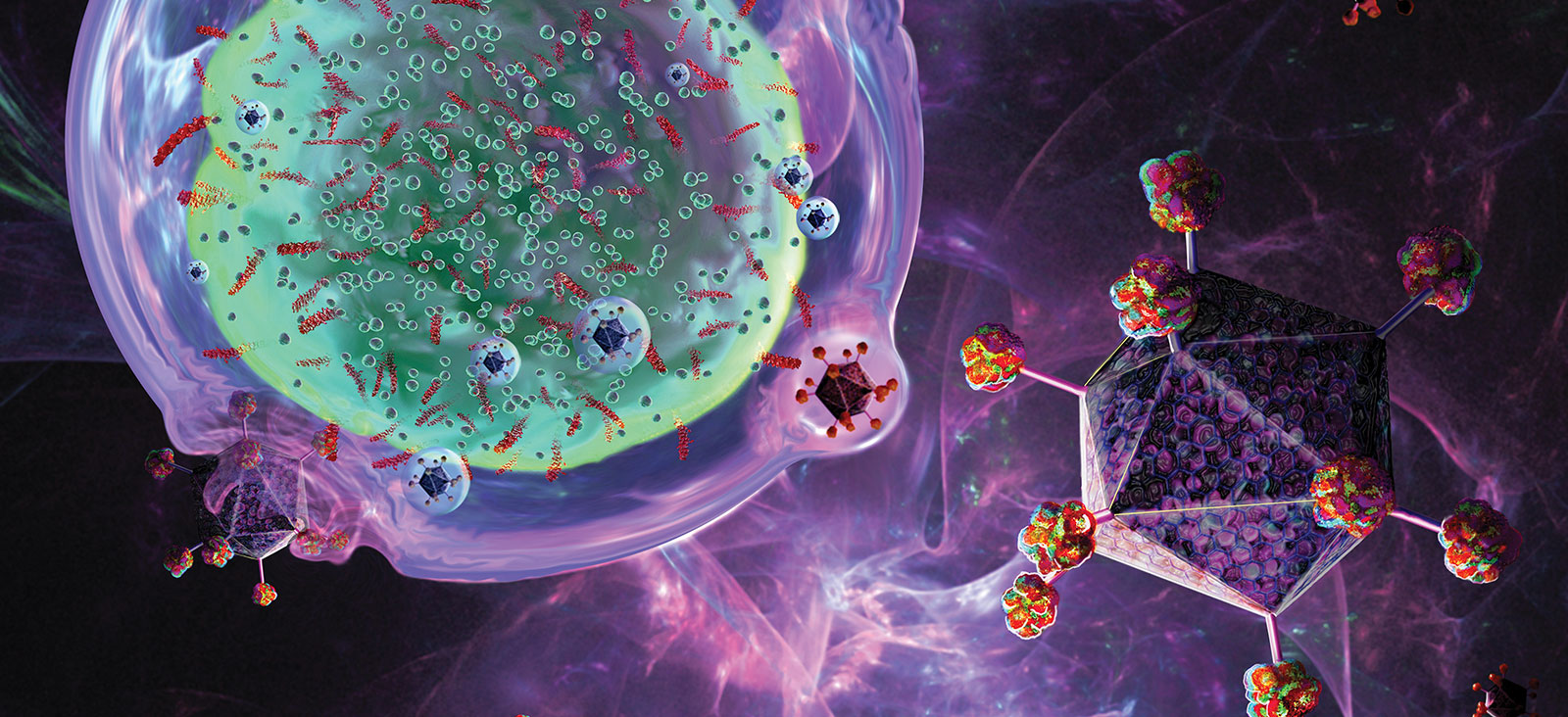
Dr. Choi’s next focus is a novel repurposing of chimeric antigen receptor T-cell (CAR T) technology, a relatively young yet highly effective treatment for blood cancers. The center’s experts are actively translating the curative mechanisms of CAR T into disease-specific strategies that could extend to adults with solid tumors.
Translating Research into Action
Rigorous research with patients who have various dermatological cancers laid a strong foundation for Dr. Choi’s groundbreaking work. Molecular and cellular changes in these patients revealed how particular T cells respond to infected and damaged cells and shed light on the tipping point when the immune system can no longer keep the cancer at bay.
Normal T cells clear damaged or infected cells from the body before tumors can form. But if a cancer becomes big enough, research suggests that it can weaken the T cells’ defenses through epigenetic, metabolic, and signaling changes. Once the immune system can no longer control the cancer, it becomes clinically detectable.
“Cancer cannot be explained without understanding how it interacts with the immune system,” Dr. Choi says. “We think most patients’ immune systems can recognize cancer but aren’t strong enough to eliminate solid tumors.”
Complicating matters, cancer can manipulate T cells, altering the tumor microenvironment, depleting T cells’ energy stores, and suppressing immune activity — all of which encourage tumors to grow.
However, adoptive T-cell therapies such as CAR T can capitalize on evolutionary lessons learned from mutant immune cells from patients’ tumors, which can be applied to cell therapies against tumors for positive outcomes. These approaches are highly effective in preclinical models and offer promising avenues for innovation in the clinic.
Dr. Choi’s collaborative work with clinical, engineering, and research colleagues in this rising field could lead to long-lived management of — and potentially a cure for — patients with solid tumors.
“We are engineering solutions that did not previously exist into novel therapies.”
Dr. Jaehyuk Choi
Long-Lived Immunity against Solid Tumors
“Research has identified cellular anomalies that make T cells tick,” Dr. Choi explains. “Our center is focused on manipulating those natural mutations to eliminate cancer. Through immune engineering, our goal is to fortify T cells against cancer and supercharge them to infiltrate a solid tumor, thrive within it, and destroy it from the inside.”
This work builds from Dr. Choi’s groundbreaking research in naturally occurring T-cell mutations. A study published in 2024 in Nature, co-led by Dr. Choi, revealed a specific T-cell mutation that, when engineered into CAR T cells, makes this therapy 100 times stronger against melanoma, lung, and stomach cancers established in experimental mice — at approximately 1% of the dose of standard CAR T-cell therapy.
Solid tumors represent about 90% of adult cancers. Commercially available CAR T-cell therapies have not proven to be effective against solid tumors for largely biological reasons. This represents a huge unmet need — one that the new center is positioning itself to meet.
“We are engineering solutions that did not previously exist into novel therapies. UT Southwestern’s exceptional biologists, scientists, and engineers are helping us to solve new problems in innovative ways,” Dr. Choi says.
The team is working toward on-site therapy design and manufacturing. The goal is to hold first-in-human clinical trials at UT Southwestern for CAR T-cell therapies in adults with solid tumors.
“I came here to help make a huge dent in our ability to treat cancer,” Dr. Choi says, “and the spirit of audacity at UT Southwestern funnels into all our endeavors.”

About the Expert
Jaehyuk Choi, M.D., Ph.D.
Director, Center for Cellular Therapies and Cancer Immunology in the Harold C. Simmons Comprehensive Cancer Center
Professor, Dermatology and Children’s Medical Center Research Institute at UT Southwestern
Vice Chair, Translational Research and Innovation, Department of Dermatology Scheryle Simmons Patigian Distinguished Chair in Cancer Immunobiology