Practical steps to prevent fall-related fractures this winter
December 16, 2025

When temperatures drop in North Texas, emergency departments brace for a familiar pattern: an influx of weather-related falls, especially among older adults.
While a fall at age 30 might lead to bruises or a sprain, falling at age 70 often results in far more serious injuries. As we age, bone density naturally decreases, making bones more vulnerable to breaks. We also tend to lose muscle mass, balance, and reaction time – all of which make it harder to avoid or soften a fall.
Falls are one of the leading causes of injury-related doctor visits among older adults year-round, and many of those injuries result in significant fractures. When you feel yourself falling, the first instinct is to reach out your hands to brace for impact. This often leads to fractures or other serious injuries to the wrist, forearm, and elbow. Medical providers call this the FOOSH mechanism, which stands for “fall on outstretched hand.”
The most common injuries we see in older adults include hip fractures, wrist fractures, shoulder fractures, and ankle injuries. Hip fractures are especially concerning because they carry a high mortality rate. Nearly one in three adults over 65 who sustain a hip fracture will die within a year.
This is because people often are sedentary while recovering from a fall, which increases the risk of complications such as:
- Blood clots, including deep vein thrombosis and pulmonary embolism
- Infections
- Pressure ulcers
- Pneumonia
Whether it’s slipping on ice or wet leaves or tripping over a curb, falling can result in life-altering illness or injury. However, many falls can be avoided with proactive steps such as reducing risk factors around the home and building physical strength. Let’s discuss common reasons why falls happen and how to reduce the chances of a significant fall-related illness or injury.
Why falls happen: The hidden risks

In our visits with patients and families, three reasons for falling occur repeatedly: physical factors, environmental hazards, and weather-related conditions.
Physical factors
Natural changes that occur with aging increase our risk of falling. We see many older patients with muscle weakness, poor balance, declining coordination, and vision problems. Medications for chronic conditions may also cause dizziness or fluctuations in blood pressure, contributing to a greater risk of falling.
Inside the home
Environmental hazards at home are common and often overlooked. Poor lighting, loose rugs, cluttered walkways, slick bathroom floors, and pets underfoot all create situations where a fall can happen quickly. Many people are surprised to learn how often pets contribute to fall injuries. A cat or dog slipping past your feet can throw off your balance before you have time to react.
Weather-related risks
North Texas generally has mild winters, which means residents are often unprepared for those mornings when rain freezes into ice on the sidewalks. Wet leaves, mud, and uneven outdoor surfaces can be just as hazardous, resulting in a fall that requires surgery.
"Some of the things you can do physically to decrease your fall risk is work on your balance and strength, and that starts with regular exercise."
Kelechi Okoroha, M.D., Associate Professor of Orthopaedic SurgeryChief of the Division of Sports Medicine at UT Southwestern
How building strength helps prevent falls

Staying active is one of the most effective ways to reduce fall risks. Regular physical activity helps maintain strength, balance, flexibility, and coordination — all essential for preventing falls.
Many forms of movement are helpful, including yoga, Pilates, tai chi, walking programs, and resistance training. It’s worth noting that while walking is good exercise for your heart and lungs, it is important to do weight training and/or walking with weights to build bones and muscles. You don’t need to spend hours at the gym; consistent, moderate exercise several days a week can make a substantial difference.
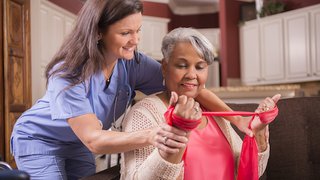
Physical therapy also plays a valuable role, and not just for people recovering from surgery. Preventive physical therapy is becoming increasingly common, especially for adults who already feel unsteady or who want to preserve mobility as they age. Research has shown that participating in fall-prevention physical therapy significantly decreases the chances of a serious fall in older adults who are identified as having a high risk of falling.
Physical therapists can help patients improve strength, balance, and coordination. They can also assess an individual’s gait and balance, identifying weak areas that can be corrected through tailored exercises. These specialists can also help people with assistive devices such as canes or walkers to use them correctly for maximum safety and stability.
Related: Read “Strength training over 60 can help prevent sarcopenia”
Create a home safety checklist
Most falls happen at home; small, meaningful modifications can prevent many potential accidents. Here are a few home suggestions we frequently discuss with patients:
- Improve lighting: Ensure hallways, bathrooms, and entrances are well-lit, especially at night. Installing nightlights or motion-sensor lights can help prevent trips in the dark.
- Secure rugs and surfaces: Loose rugs are a major tripping hazard. Remove them entirely or use double-sided tape or non-slip backing to secure rugs firmly to the floor. Use non-slip mats in bathrooms and showers.
- Install safety rails: Equip bathrooms with grab bars near the toilet and in the shower. Ensure railings on stairways are secure and easy to grip.
- Clear clutter: Remove clutter, electrical cords, and excess furniture from high-traffic pathways to ensure clear, safe passage.
- Address vision issues: Vision problems associated with aging, especially outdated eyewear, can significantly contribute to falls. Get regular eye exams and wear the proper prescription of glasses to help reduce the risk.
- Use ice melt on winter days: This chemical mixture looks like salt and can help to melt ice that forms on the driveway and sidewalk. Invest in a bag that you can leave by the door for easy access on wintery days.
- Wear proper shoes: Choose a pair that fits properly, with a solid base, non-slip treads, and low or no heel. This will provide stability and can help with gripping on slippery surfaces.
The critical role of bone health and nutrition

Underlying bone health often determines the severity of an injury from a fall. As individuals age, particularly post-menopausal women and men over the age of 65, bone density naturally decreases. In some patients this becomes osteoporosis, a disease that causes porous, fragile bones that are susceptible to fracture. Women make up about 80% of cases of osteoporosis in the U.S. due to having smaller bones and hormone changes that affect bone mass after menopause.
Anyone with a history of low vitamin D, low calcium, or osteoporosis should be proactive about their bone health. Weaker bones are far more susceptible to fracture from low-impact trauma. If a patient is screened and found to have low levels of vital nutrients, we typically recommend taking calcium and vitamin D supplements. The general recommended daily intake is 1,000-1,200 milligrams per day for calcium and 600-800 units per day for vitamin D.
These nutrients work together to support bone strength and reduce the risk of fractures. It’s important to discuss any supplement plan with a doctor to ensure it is appropriate for individual health needs.
Related: Read “Boning up on facts: Why osteoporosis mostly affects women and what can be done”
After a fall: Treatment and recovery
Even with the best prevention efforts, falls can still happen. When they do, quick and effective treatment is paramount. During evaluation, your care team will perform a physical exam and review imaging such as X-rays for a possible fracture.
Not all fractures require surgery, and the decision depends on the type and severity of the break:
- Non-displaced fractures: If the bone is cracked but the fragments remain in their proper anatomical position, we might be able to treat the injury with a cast or a specialized brace or reduce weight-bearing activity on that leg or arm.
- Displaced fractures: If the bone fragments have shifted out of alignment, surgery is often required. The surgeon must first manually shift the bone back into place (reduction) and then hold it with fixation hardware, such as plates and screws.
Some patients worry about surgical risks due to chronic health conditions such as diabetes, hypertension, or use of blood thinners. UT Southwestern orthopedic surgeons are specially trained to care for patients with even the most complex health conditions; we will review your medications and health conditions carefully before and after surgery, making adjustments as needed so you get the best possible outcomes.
Related: Read “Enhanced Recovery After Surgery (ERAS): Geriatric Orthopedic Hip Fracture”

What to expect for recovery
Many people are surprised that our patients are up and walking within hours after hip fracture surgery. Research has shown that guided, early mobilization helps to reduce complications associated with prolonged bed rest, such as deep vein thrombosis or pulmonary embolism, and allows patients to regain independence sooner.
When it’s time for a patient to go home, the discharge planning is a comprehensive, coordinated effort. Some patients go home the next day with outpatient physical therapy. Others, particularly those who live alone, may need to transition to a short-term rehabilitation center.
UT Southwestern’s social workers help families explore and select rehab facilities based on where a patient lives as well as their availability and their needs. Our goal is to help reduce stress during recovery, which can be overwhelming on its own.
Whether you’re dealing with unpredictable weather or navigating the familiar terrain inside the home, vigilance is the ultimate safeguard against falls. Taking control of your physical health through exercise, optimizing your home environment, and addressing nutritional needs are essential steps in reducing your risk of a life-altering fracture.
With the right strategies, you can maintain your independence, stay active, and significantly reduce your risk of serious injury.
To talk with an expert in orthopaedic surgery, make an appointment by calling 214-645-3300 or request an appointment online.