Cataracts are an inevitable part of aging. That means there is a good chance that you or an aging loved one will need cataract surgery to preserve or enhance your vision.
Cataract surgery to replace a lens that turns cloudy is safe and effective – research shows that up to 90% of people report satisfaction with their vision after getting just the first eye done. Experts at the UT Southwestern Department of Ophthalmology offer the latest cataract treatments that are customized for each patient’s eyes and their lifestyles.
However, choosing to have eye surgery is a big decision.
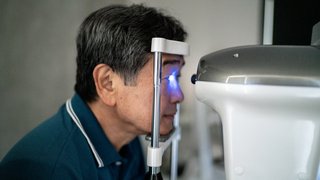
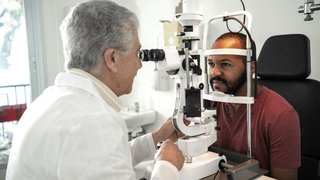
To set yourself up for success, you should have a personalized conversation with an experienced cataract surgeon. They can suggest the best option for you after learning more about your lifestyle and measuring your eyes with the most cutting-edge technology available. The photos taken during this step are as important as the surgery itself since they are crucial in determining your overall eye health and the exact size and shape of your eyes. They can also help the surgeon recommend the best type of lens and focusing power for you.
Being informed is the best start to getting the vision outcomes you want. Let’s discuss five tips to help you approach your cataract surgery with confidence.
1. Ask the important questions
You’ll likely have many questions regarding cataract surgery, not only for your eye surgeon but also for yourself. That’s good – we want to give you all the information you need to make an informed decision. Here are a few important questions to get answered before scheduling your first procedure:

- Do you want cataract surgery right now?
- Are you bothered enough by your current vision to have surgery and go through a week-long to months-long recovery process? Or are you doing OK with your vision and want to wait a bit?
- What are your vision goals? Think about what you were used to seeing before you started having cataract symptoms.
- Do you want to maintain your distance vision and use glasses for near vision or do the opposite? Or do you want to get rid of glasses altogether?
- What are you willing to give up to achieve your vision goal? This may include some contrast sensitivity or minute color changes.
- Do you want both of your eyes done? Each eye will be assessed to determine the severity of vision impairment due to cataracts. Rarely would we do cataract surgery on both eyes on the same day, but most patients will want the surgeries done close together to minimize recovery time. Work with your ophthalmologist on a plan that works best for you.
- If you want both eyes done, should you wait longer between the two procedures? Or stagger them close together?
- What if you choose not to get the second eye done after the first surgery? How will that change your long-term vision goals?
- What will your insurance cover regarding cataract surgery? If you choose a type of lens that isn’t covered by your insurance, you may need to pay out of pocket. Your eye surgery team can help you choose between your best and most cost-effective options.
- Does your insurance cover the lenses you are interested in?
- What will you need to pay out of pocket, if anything?
2. Optimize your eye’s ocular surface

Today’s intraocular lenses are better than they have ever been. Their effectiveness relies on being perfectly set in the eye, and that can only happen if we get precise measurements and photos of your eye at your preoperative exam.
Optimizing your ocular surface – namely the cornea and the conjunctiva membrane, which make up the outer layers of the eye surface – allows us to get the most accurate information.
The most common condition that can affect your ocular surface health is dry eye, which can cause abrasions on the surface of the eye along with inflammation. Many people develop dry eye with aging. It also can be caused by seasonal allergies, environmental irritants, and long-term contact lens use. You may not even realize you have dry eye, but we can see its effects when we examine your eyes.
Every cataract evaluation should also come with an evaluation for the ocular surface. Before taking eye measurements, your ophthalmologist may give you tips to optimize your ocular surface. Tips may include using over-the-counter eye lubrication or a warm compress over your eyelids for five minutes twice a day to help clear blocked oil glands.
After a few weeks, we’ll look at your eyes again to check their progress and start the more extensive preoperative exam process, such as checking the exact focusing power of the cornea and the depth between your lens and cornea.
3. Discuss your health history
Cataract surgery is an outpatient procedure, and your overall health influences how we plan for and perform the surgery. If you have certain health conditions, such as obesity, diabetes, high blood pressure, or a history of eye diseases or eye surgery, your doctor may need to adjust your surgical plan. For example, you might need a different type of anesthesia or additional monitoring after surgery.
"Every successful cataract surgery begins with a successful pre-operative evaluation and extensive planning."
Margaret Wang French, M.D.Assistant Professor, Ophthalmology
A few factors to discuss with your doctor include:
- Anesthesia: You will be awake during cataract surgery, but you may be given medicine to help you relax. We also will use eye drop-based anesthesia or an injection around the eye so you will not feel anything in your eye during surgery.
- Positioning: During cataract surgery, you’ll need to lie flat for about 15 minutes. During a preoperative exam, we may ask you to lie flat while we take notes or answer your questions to make sure this will not be an issue during the actual procedure.
- Claustrophobia: During the surgery, we will place a drape over your face. If you are claustrophobic, let us know so we can work to make you more comfortable.
UT Southwestern ophthalmologists are specially trained to treat patients with even the most complex eye conditions. We offer advanced surgical options that allow many patients with underlying health conditions, such as macular degeneration, to safely get cataract surgery.
Related reading: AI and virtual reality: The future of cataract surgery has arrived
4. Choose your intraocular lens
Intraocular lenses are permanent, artificial lenses that can replace the eye’s natural lens to restore both near and distant vision. They can correct or improve nearsightedness, farsightedness, or astigmatism.

There are multiple intraocular lens options that may be offered to you. These include:
- Monofocal: This lens has one focusing distance, providing near, medium, or distance vision.
- Trifocal or multifocal: These types of lenses have multiple focusing distances in different areas of the lens. They are capable of bringing into focus objects that are at a far, medium, or close distance from the patient’s eye. Trifocal lenses, which can focus at all distances, are the most advanced version of these lenses that we have available.
- Extended depth of focus (EDOF) or extended range of vision: These lenses have the potential to give patients distance, medium, and even some near vision. They may have specific advantages over trifocal lenses in certain patients, such as people who have had LASIK.
- Toric: This lens has different focusing powers in different areas to correct astigmatism, which is an irregularly shaped cornea. Most monofocal, multifocal, trifocal, and EDOF lenses come in toric versions.
- Light adjustable lens (LAL): These lenses can be adjusted after placement for customized vision correction. The lens is composed of a specialized material that reacts to ultraviolet (UV) light from a special machine. Each session takes just a few minutes of exposure to change the lens shape and how well it focuses light. We can direct the light to adjust different parts of the lens, making it more or less curved depending on what you need to see better.
- Small aperture: These unique lenses use the pinhole effect to provide a range of vision while correcting for irregular astigmatism from corneal disease.
There are limitations and trade-offs for any lens option. For example, some lenses may provide a better range of vision but have lower contrast or color sensitivity. LALs can be adjusted after placement, but you’ll have to attend multiple appointments to do so with a longer recovery period.
You won’t have to decide on a lens right away. Most people like to go home, think about it, and look over their finances and coverage. Once you’ve decided, we can schedule your surgery.
5. Follow all instructions before and after surgery
Following instructions from your ophthalmologist is essential to improving your vision with cataract surgery. A couple weeks before the procedure, your health care team will reach out with a pre-surgery care plan that may include:
- Avoiding certain medications
- Not wearing contact lenses
- Not applying makeup, lotions, or perfumes
- Using prescribed antibiotic drops
- Not eating solid food for a set number of hours before surgery
- Arranging for someone to drive you to and from your surgery
After your procedure, you’ll get a customized recovery plan. For the first week after surgery, you should not rub your eyes or put water directly in the eye. While the rate of infection after eye surgery is low – less than 0.1% in the U.S. – it is still important to prevent this devastating consequence.
You’ll also need to avoid strenuous exercise and movements that involve bending over or lifting more than 15 pounds in the first few weeks after surgery. These activities can temporarily increase pressure in the eyes and possibly damage the surgical incision.
Your eye will need time to adjust to the new lens – most people notice improvements within the first couple of weeks. Full healing can take up to three months, depending on your unique eye tissues, lens, and surgery.
If you’re considering cataract surgery, talk with an ophthalmologist. We want to hear your questions, and we’ll provide all the information and answers you need to make an informed decision. Your vision is important, and we’re honored to give you the best possible outcomes.
To talk with an expert at UT Southwestern Ophthalmology about cataract surgery, make an appointment by calling 214-645-2020 or request an appointment online.