Why joint pain is worse in cold weather, and 4 proven ways to manage it
January 15, 2026

If you wake up moving like the Tin Man from “The Wizard of Oz” in the winter, you’re not alone. The winter chill can cause aches and pains in the neck, back, hips, knees, and shoulders. And it’s not your imagination – weather-related joint pain can get worse with age.
As we get older, the volume of synovial fluid in our joints – a thick solution that is key in maintaining range of motion – gradually decreases. The bones rub together, wearing down the joint’s cushiony cartilage over time. This causes inflammation, which leads to joint discomfort.
In colder temperatures with low barometric pressure, synovial fluid expands and thickens, increasing inflammation and making the joints less mobile.
Pair this with the body having to work harder to stay warm in the winter, and you’ve got a recipe for stiff, aching joints.
While we can’t turn back the clock on the age-related changes (or the seasons!), there are several proven ways to decrease the resulting inflammation. Follow these four strategies to reduce cold weather joint pain through an anti-inflammatory lifestyle.
1. Get moving to stay moving
Staying active as we age allows us to do what we enjoy and helps us stay independent and functional at home. Movement is the mainstay of musculoskeletal care, helping to keep the joints flexible and mobile.
While high-impact activities such as running or basketball can make you feel great and burn calories, the stress from pounding pavement, pivoting, and twisting can worsen already sore joints and increase painful inflammation.
If your joints are aching, choose low-impact activities like these instead:

- Walking: Walking at the mall, logging miles on a treadmill or elliptical, or looping around a track – any type of walking is great. Wear supportive shoes and choose a soft, even surface to reduce the risk of sprains and strains as well as falls – one of the leading risk factors for fractures and hospitalization as we age.
- Biking: Whether you like to spin on a stationary bike or pedal around the neighborhood, biking keeps your joints moving with less impact.
- Swimming: Water exercise can be challenging, yet gentle on the joints. Try lap swimming, water aerobics, or water walking to mix up your routine.
- Yoga: Increase your flexibility and strengthen your muscles through a gentle yoga routine. Yoga can be modified for any ability level.
You don’t have to go to a gym to get active. There are plenty of at-home programs available online through apps or podcasts. Regardless of the activity you choose, aim for no more than two hours of sitting at a time when possible. Set a timer to get active with “movement snacks” – bite-sized bursts of activity – throughout the day. Your spine, hips, and knees will thank you for it.
2. Choose anti-inflammation foods and drinks
When we consume foods that are heavy in sugar, sodium, saturated fats, and chemicals, we put undue stress on the body. It must work hard to get rid of the toxins and unhelpful ingredients. That process increases inflammation throughout the body, including the joints.
Eating a healthier diet of whole, unprocessed foods – such as in the Mediterranean Diet – helps reduce inflammation by balancing the proteins, acids, vitamins, and nutrients in our bodies to control the inflammation response. This means choosing colorful fruits, vegetables, grains, fish, lean meats, and healthy fats such as nuts and avocados.
Limit or avoid processed foods, such as chips, sugary snacks, and packaged meats. When you eat convenience items, check the label. If there is a long list of ingredients with chemical-sounding names, it’s probably not a healthy choice.
It's also important to stay hydrated; drinking plenty of water moves waste through your body and helps keep your joints flexible.
Related: Read "The hips don't lie: Signs it's time to consider hip replacement"
3. Consider taking supplements
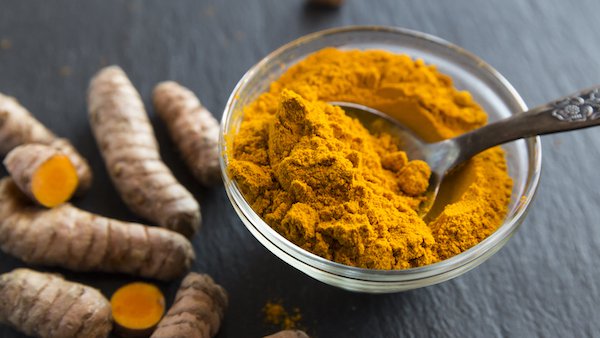
Taking anti-inflammatory supplements such as curcumin, glucosamine chondroitin, or beet root powder may help reduce joint pain, swelling, and stiffness. Another supplement to consider is collagen powder, which can help with elasticity in our ligaments and joints.
Adding turmeric, ginger, cinnamon, garlic, rosemary, and oregano to meals can have anti-inflammatory effects as well.
Talk with a doctor about the supplements you take and before you add new ones. Supplement production is not regulated by the Food and Drug Administration and may contain ingredients that are not listed on the product labels. In some cases, supplements can interfere with other medications or cause unwanted side effects.
4. Manage stress
Chronic stress can lead to background inflammation throughout the body, especially the neck and back. While we can’t prevent all types of stress, we can give our bodies a break with tried-and-true relievers such as:
- Mindfulness: Techniques such as deep breathing and meditation can calm the mind and body.
- Regular exercise: Staying active increases oxygenation and takes you out of a stressful mindset. If you work in an office, consider using a standing desk to relieve pain from excessive sitting.
- Social connection: Catch a movie, play cards, or get together and talk. Humans are social creatures, and spending time together has proven to reduce loneliness and improve overall health.
- Quality sleep: Prioritize getting regular, undisturbed sleep. It supports everything from your heart health to your mental well-being.
Related: Read "Easy tips to relieve stress-related neck and back pain"
When to see a doctor about joint pain

If weather-related joint pain doesn’t improve with these strategies, or if joint discomfort is keeping you awake at night, talk with a doctor. There may be an underlying cause that we can diagnose and treat.
For example, your doctor may recommend imaging to check for fractures or tears or suggest physical therapy to help strengthen key areas around the joints. In some cases, medication or surgery – such as a joint preservation or replacement procedure – may be the next step.
Go to a hospital right away if you have sudden sharp or radiating pain in the back, limb weakness, numbness or tingling in the groin or glutes, or inability to control the bowels or bladder. These are signs of a possible spine-related medical emergency.
While cold-weather aches can’t be avoided entirely, they can be managed. By staying active, nourishing your body, and keeping stress in check, you can reduce flareups and move through the winter months with more comfort and mobility.
To talk with an expert about managing joint pain, make an appointment by calling 214-645-3300 or request an appointment online.