Make an Appointment
Online or call 214-645-4673
New Patient Appointment or 214-645-4673
CAR T-cell therapy is a type of immunotherapy, which is medication that enhances the ability of a patient’s immune system to attack cancer cells.
It can be an option for adults with lymphoma that hasn’t responded to traditional chemotherapy and children and young adults with acute lymphoblastic leukemia.
UT Southwestern Medical Center was the first in Texas to offer CAR T-cell therapy to treat advanced cancer, and our program is the largest in the region.
The U.S. Food and Drug Administration (FDA) has approved a number of CAR T-cell therapy products for specific types of blood cancers:
UT Southwestern’s cancer physicians and their experienced teams are dedicated to exceptional care, backed by the latest research, to provide the best possible results for our patients.
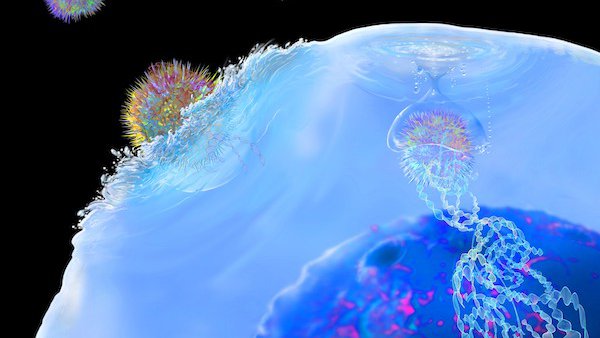
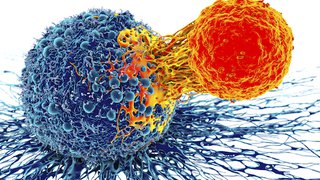
The function of T-cells in the immune system is to destroy abnormal or infected cells, such as viruses and cancer. In some patients, T-cells cannot detect or destroy cancer cells, or there are not enough T-cells. CAR T-cell therapy genetically modifies T-cells so they can better detect, target, and destroy cancer cells.
Our cancer specialists evaluate patients to determine whether they qualify for CAR T-cell therapy. The treatment process, which typically takes 12 to 16 weeks, has several steps:
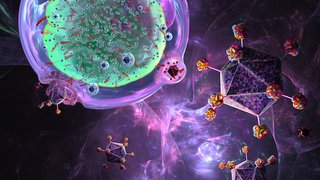
The genetically modified cells continue to multiply in the patient’s body as they circulate through the bloodstream. The new T-cells recognize and attach to a specific antigen (protein) on cancer cells, enabling the T-cells to destroy the cancer cells.
It is important for patients to receive CAR T-cell therapy from an expert team of cancer specialists at a facility like UT Southwestern. Our cancer doctors have the necessary experience, gained through our participation in clinical trials, to monitor patients for side effects such as:
We have experience in CAR T-cell therapy that few medical centers can match.
As the only National Cancer Institute (NCI)-designated comprehensive cancer center in North Texas, we deliver the best cancer care available today and push to discover new treatments. NCI designation means we offer patients the ability to participate in the broadest possible range of clinical trials, with access to potential therapies not available at other facilities.
As a medical research institution, UT Southwestern frequently conducts a wide variety of cancer clinical trials, giving our patients access to the newest treatments. Research and clinical trials are ongoing to develop CAR T-cell therapies to treat:
Patients should speak with their doctors about the availability of clinical trials.

Cancer Care at the Highest Level. Anywhere.
Our team of hundreds of leading cancer physicians and oncology-trained support staff is a trusted partner in returning patients with cancer to good health.
Search for opportunities to participate in a clinical research study.
We’re one of the world’s top academic medical centers, with a unique legacy of innovation in patient care and scientific discovery.