

Find a Clinical Trial
Search for opportunities to participate in a clinical research study.
New Patient Appointment or 214-645-2353
UT Southwestern Medical Center plastic surgeons are leaders in the latest facelift techniques. We are skilled in using facial rejuvenation techniques to help our patients look natural and refreshed – not as if they’ve had surgery.
Through our extensive experience and rigorous medical research, we have a deep understanding of how the face ages. Using a layered, individualized approach, our plastic surgeons lift, shape, and contour the face’s deeper structures.
This advanced approach offers longer-lasting, more natural results than a traditional facelift.
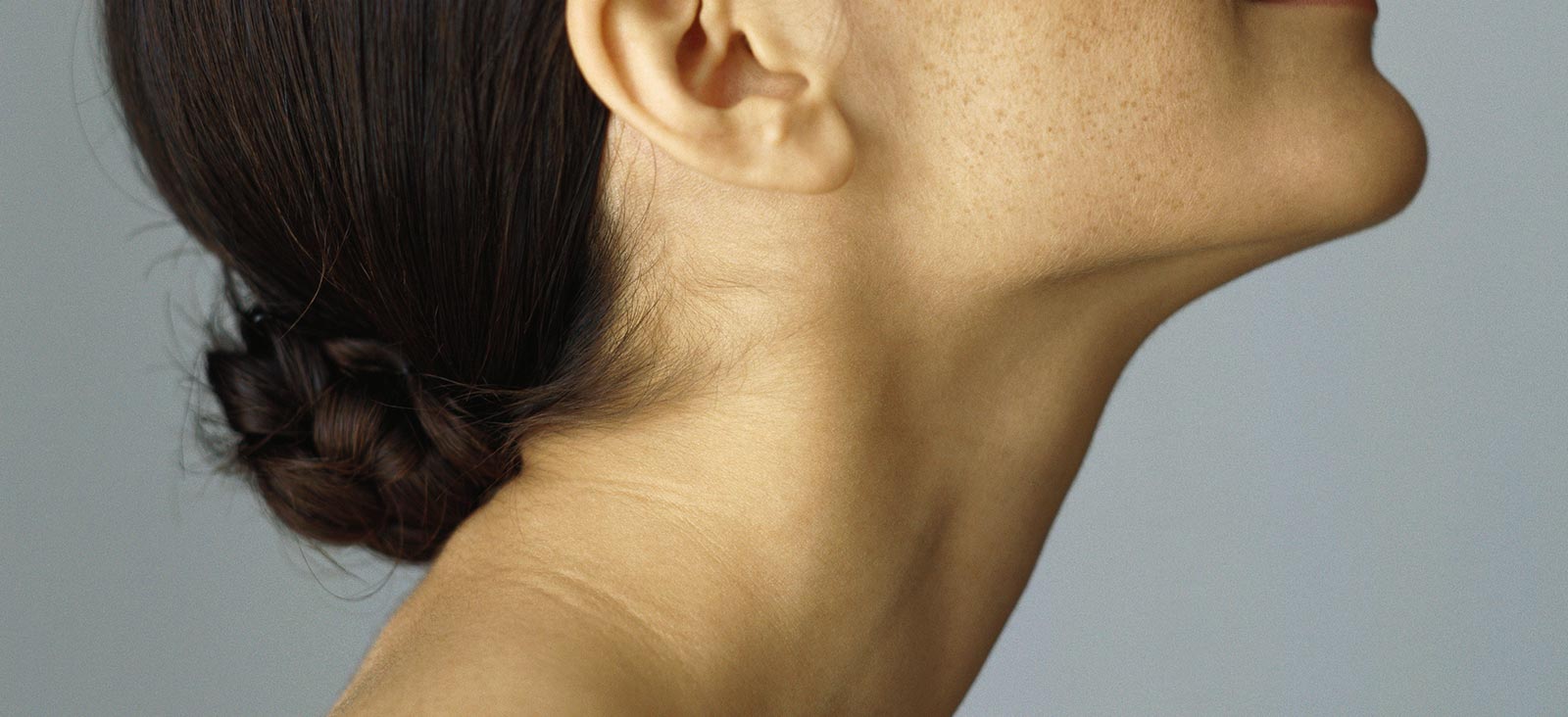
Facelift surgery (rhytidectomy) is a procedure designed to create a more youthful appearance in the face and neck. It involves removing excess facial fat, tightening underlying muscles, and redraping or trimming the skin to reduce sagging and smooth out deep folds. The goal is to provide a firmer, smoother facial contour that addresses signs of aging such as sagging cheeks, jowls, and loose skin on the neck.
During the procedure, a surgeon makes strategic incisions to separate the skin from underlying tissues. The muscles and supportive structures are tightened, and excess fat may be removed or repositioned.
The skin is then carefully redraped over the new facial contours, and any surplus skin is removed. This surgery often provides more dramatic and longer-lasting results than other procedures, such as laser treatments or dermal fillers.
Because every face is different, our plastic surgeons customize each facelift. We evaluate each patient’s facial structure and then determine the best combination of surgical and nonsurgical facial rejuvenation treatments to use during the facelift.
Typically, we focus on addressing loss of volume, deep wrinkles, and lifting areas affected by facial sagging and deflation.
We offer:
There are no quick fixes with real facial rejuvenation. We do not offer same-day procedures marketed as liquid facelifts or instant facelifts. Information about them is often misleading because they are not real facelifts.
Patients are first seen for a clinical evaluation. This includes a:
After a clinical evaluation, our team can provide options to restore a youthful look, which typically focuses on correcting the facial deflation and descent typical of facial aging.
Patients should disclose all health conditions, previous surgeries, and habits such as smoking or alcohol use that might affect the procedure or recovery. A physical examination and possibly photographs will assist the surgeon in planning.
We typically instruct patients to wash their face and hair with a germicidal soap on the morning of the surgery and to avoid eating after midnight before the procedure. Our team will provide specific instructions about medications, fasting, and presurgical hygiene.
During the procedure, which can last three to four hours, anesthesia is administered for the patient’s comfort and safety. The surgeon makes incisions based on the selected technique, lifts and tightens underlying tissues, removes or repositions fat, and redrapes the skin, removing any excess. The incisions are then closed with sutures or skin adhesives.
After surgery, patients can expect bruising, swelling, numbness, and mild to moderate discomfort, which can be managed with prescribed medications. Bandages may be applied, and small drainage tubes might be placed to prevent fluid buildup. Recovery instructions typically include resting with the head elevated, caring for incisions as directed, attending follow-up appointments, and gradually resuming normal activities as advised by the surgeon.
Patients typically experience an initial period of swelling, bruising, and mild discomfort, which usually subsides within two weeks. Pain is generally well-controlled with medication, and temporary numbness of the skin is common as nerves heal. We advise patients to rest with their head elevated and to follow our specific postoperative care instructions.
The type of anesthesia can depend on the extent of the surgery and the patient's health.
General anesthesia, which induces a sleep-like state, is commonly used for facelifts. Alternatively, local anesthesia with intravenous sedation may be used to numb the specific area being treated while keeping the patient awake but relaxed and comfortable.
The choice of anesthesia is determined by the surgeon in consultation with the patient, taking into account the surgical plan and individual considerations.
Patients may be presentable as early as one week after surgery, depending on the amount of bruising. It can take about two weeks to return to regular activities, such as work and attending social events.
Those who undergo less invasive procedures, such as a mini facelift, may return sooner.
Strenuous activities and exposure to direct sunlight should be avoided for several weeks. Full recovery, with the face feeling completely normal, may take two to three months. Throughout the recovery period, follow-up appointments are important to monitor healing and address any concerns.
The effects of a facelift are long-term, with results lasting for 10 or more years for some patients. While the aging process continues after the surgery, a facelift can take years off a patient’s face throughout their life.
For some patients, we might suggest that other procedures be performed at the same time to help enhance the overall harmony of the face. Our recommendations might include using a filler, such as a patient’s own stem cell-laden fat cells.
We might also suggest eyelid surgery, neck lift, brow lift, or laser resurfacing to correct perioral wrinkles (those around the mouth). Combining procedures is a technique our surgeons use to ensure a natural look.
Search for opportunities to participate in a clinical research study.
We’re one of the world’s top academic medical centers, with a unique legacy of innovation in patient care and scientific discovery.