
Our team of hundreds of leading cancer physicians and oncology-trained support staff is a trusted partner in returning patients with cancer to good health.
New Patient Appointment or 214-645-4673
Sarcoma specialists at UT Southwestern Medical Center expertly diagnose and treat people with all varieties of this complex and relatively rare type of cancer. Offering the most sophisticated technologies and proven therapies, our multidisciplinary team delivers comprehensive sarcoma care.
Recognized as leaders in treating both bone and soft-tissue sarcomas, our doctors are part of a caring sarcoma team that works with every patient to develop an individualized plan of care to help achieve the best possible outcomes.

What Is Sarcoma?
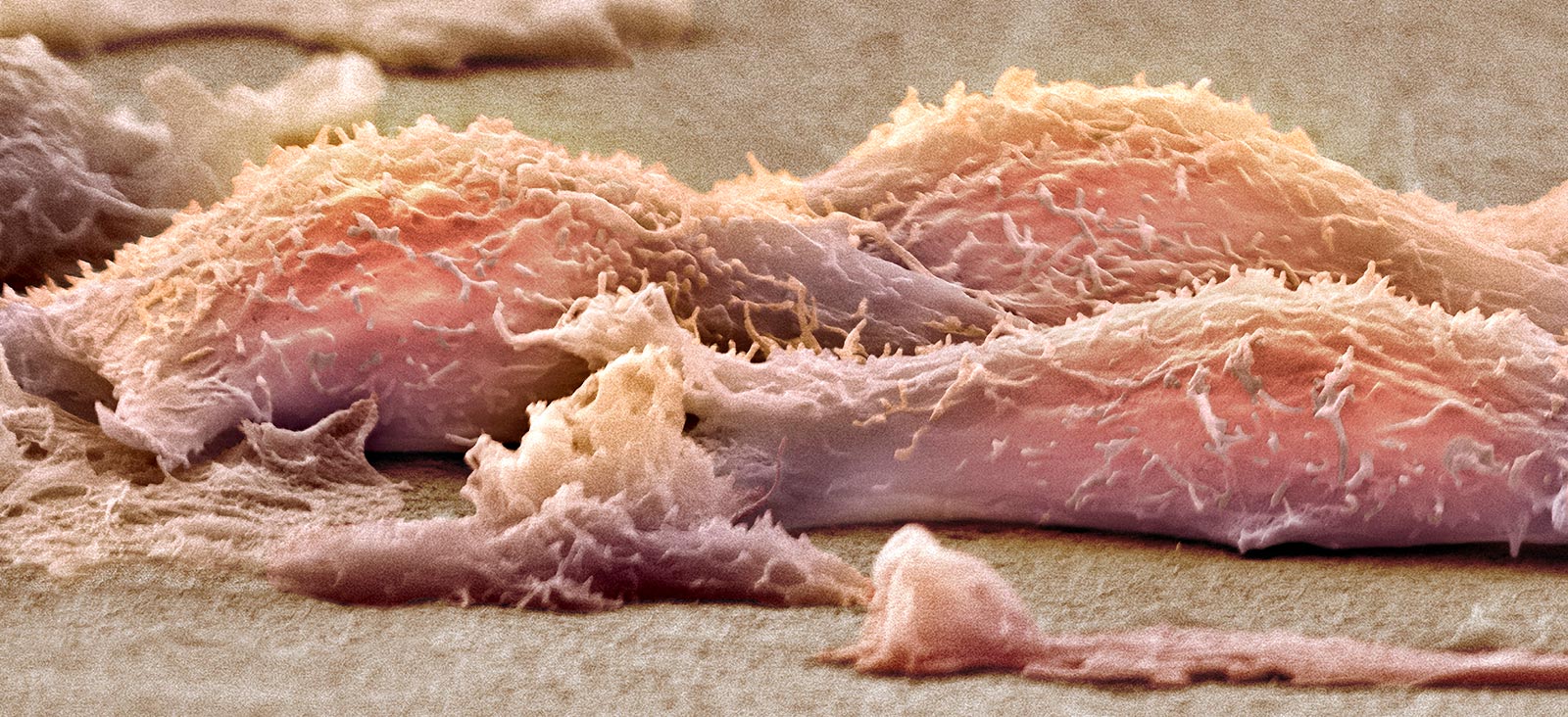
Sarcomas are cancers that originate in the body’s bones and soft tissues, such as muscle, fat, nerves, tendons, blood vessels, and the tissue around joints.
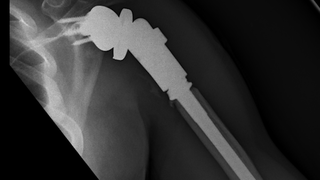
Soft-tissue sarcomas can arise anywhere in the body, but they often develop on the arms, legs, chest, or abdomen. Bone sarcomas (“bone cancers”) usually develop in the legs, upper arms, and ribs.
Sarcomas are relatively rare. Each year in the U.S., fewer than 15,000 people are diagnosed with soft-tissue sarcomas, and approximately 3,000 are diagnosed with bone sarcomas.
What Are the Types of Sarcomas?
UT Southwestern’s sarcoma team treats all varieties of bone and soft-tissue sarcomas – from the rare and complex to the more common and straightforward. Among the types of sarcoma we routinely treat are:
Soft-Tissue Sarcomas
- Angiosarcoma
- Fibrosarcoma
- Fibromatosis/desmoid tumors
- Gastrointestinal stromal tumors (GISTs)
- Kaposi sarcoma
- Liposarcoma
- Leiomyosarcoma
- Peripheral nerve sheath tumors
- Rhabdomyosarcoma
- Synovial sarcoma
- Uterine sarcoma
Bone Sarcomas
- Osteosarcoma
- Ewing’s sarcoma
- Chondrosarcoma
- Giant cell tumors
Why Choose UT Southwestern for Sarcoma Treatment?
UT Southwestern sarcoma specialists are part of the Harold C. Simmons Comprehensive Cancer Center, the only National Cancer Institute-designated Comprehensive Cancer Center in North Texas.
Our team uses the latest tools and techniques for diagnosing sarcoma, including tissue biopsy and advanced imaging. A precise diagnosis helps us create a personalized treatment plan for each patient. We specialize in treatments such as limb-sparing surgery, radiation therapy, and chemotherapy.
When children need specialized sarcoma care, our physicians partner with Children’s Health to provide coordinated treatment.
Patients also benefit from support services throughout treatment and recovery, with programs focused on rehabilitation, nutrition, survivorship, and more.
Additionally, UT Southwestern offers clinical trials that study promising new therapies for sarcoma and other cancers, giving eligible patients the opportunity to receive emerging treatments that are not yet widely available.
What Are the Symptoms of Sarcoma?
Symptoms of soft-tissue sarcomas can include:
- A newly discovered or growing lump anywhere on the body that might cause localized pain or tenderness
- Abdominal pain
- Blood in the stool or vomit
Symptoms of bone sarcomas can include:
- Pain, swelling, or tenderness in the affected bone
- Fracture of the affected bone
- Fatigue
- Unexplained weight loss
It’s important to note that bone sarcomas don’t always begin in the bones themselves; they sometimes develop in the tissue around the bones.
What Causes Sarcoma?
Risk factors for soft-tissue and bone sarcomas include:
- Exposure to radiation
- Certain family cancer syndromes
- Exposure to certain chemicals
- Paget’s disease
How Is Sarcoma Diagnosed?
Early, accurate diagnosis and staging of both soft-tissue and bone sarcomas are crucial to delivering the most effective treatments and achieving the best possible patient outcomes.
After a physical exam and a discussion of the patient’s medical history and symptoms, we might order testing. These tests can include:
- A tissue sample (biopsy): Tissue samples from the tumor are extracted and sent to our pathologists for examination under a microscope. We typically perform needle biopsies, using a computed tomography (CT) scan or ultrasound imaging to precisely guide the needle to the tumor. Our surgeons might perform an incisional or excisional biopsy if additional tumor cells are needed for diagnosis. An incisional biopsy requires a small cut in the skin to remove part of the tumor, while an excisional biopsy surgically removes the entire tumor. Local or general anesthesia – whichever is appropriate – is administered prior to all biopsies.
- Imaging studies: Imaging options include X-rays, magnetic resonance imaging (MRI), ultrasound, CT scans, musculoskeletal radiology (“bone scans”), and positron emission tomography (PET). They help clinicians visualize tumors and perform guided biopsies and other procedures.
- Blood work: The levels of certain chemicals in the blood can indicate the stage of a sarcoma.
Results from biopsies, advanced imaging studies, and blood tests enable our team to accurately identify and diagnose sarcoma. These tests also help determine the cancer’s stage – whether it has spread beyond where it started and, if so, how far – allowing our doctors to plan the most appropriate treatment.
When appropriate, patients can meet with our clinical geneticists, who can help determine if there is a familial predisposition for sarcoma that could affect their relatives.

Related Conditions and Treatments

We have a wide range of clinical trials open to patients with all types and stages of cancer. Search for opportunities to participate in a cancer study.
We’re one of the world’s top academic medical centers, with a unique legacy of innovation in patient care and scientific discovery.

MedBlog
Results: 5 Locations
Dermatology Clinic
at Professional Office Building 2 5939 Harry Hines Blvd., 4th Floor, Suite 100Dallas, Texas 75235 214-645-2400 Directions to Dermatology Clinic at Professional Office Building 2, Dallas Parking Info for Dermatology Clinic
Hematology and Medical Oncology
at UT Southwestern Harold C. Simmons Comprehensive Cancer Center at Moncrief Cancer Institute 400 W. Magnolia AvenueFort Worth, Texas 76104 817-288-9700 Directions to Hematology and Medical Oncology at UT Southwestern Harold C. Simmons Comprehensive Cancer Center at Moncrief Cancer Institute, Fort Worth Parking Info for Hematology and Medical Oncology
Cancer Care Outpatient Building
6202 Harry Hines Blvd.Dallas, Texas 75235 214-645-4673 Directions to Cancer Care Outpatient Building, Dallas Parking Info for Cancer Care Outpatient Building
Otolaryngology Clinic
at West Campus Building 3 2001 Inwood Road, 6th and 7th FloorDallas, Texas 75235 214-645-8898 Directions to Otolaryngology Clinic at West Campus Building 3, Dallas Parking Info for Otolaryngology Clinic
Pancreatic Cancer Prevention Program
at Outpatient Building 1801 Inwood Road, 7th Floor, Suite 100Dallas, Texas 75235 214-645-4673 Directions to Pancreatic Cancer Prevention Program at Outpatient Building, Dallas Parking Info for Pancreatic Cancer Prevention Program