As the days get longer and warmer, it's natural to start looking forward to summer. Here in North Texas, summer means cookouts, Rangers games, and hanging out at the lake or the pool. What's not to love?
But as an optometrist, I like to remind people that summer can be harder on your eyes than you might think. Brighter sunshine, drier days, and higher pollen counts are common summer-related causes of eye damage or irritation. Fireworks, swimming pools, and increased screen time can also cause vision problems.
This is why it's important to keep eye protection in mind while making plans. Follow these practical steps to protect your eyes this summer.
1. Wear sunglasses with UV protection

Ultraviolet (UV) light is the reason we’re told not to stare at the sun. This is because UV light is a form of electromagnetic radiation with the power to cause chemical changes and damage tissue.
Exposure to UV light can put our eyes at higher risk of cataracts, macular degeneration, and other ocular health problems. It can cause photokeratitis, a painful burn to the cornea, which is the clear outer layer of the eye. This is commonly known as “sunburn of the eye.” UV light can also reach the retina, which is the tissue in the back of the eye that helps the brain convert light into vision.
UV light exposure builds over your lifetime; every sunny day can add up if you don’t protect your eyes. Fortunately, wearing sunglasses with UV protection is a simple (and often stylish) way to keep your eyes safe. Just be sure they are properly labeled as having 100% protection from both UVA and UVB rays and not just a dark tint.
2. Keep fireworks away from the eyes
This might seem like common sense, but a quick look around the emergency department on the Fourth of July proves otherwise. About 1,840 fireworks-related eye injuries happen in the U.S. each year, and about two-thirds of these involve children.
If you are handling fireworks, use protective glasses to keep burns or blunt force trauma from ruining your holiday. Always keep sparklers or fireworks away from your eyes, and monitor children during the festivities to make sure their eyes are protected.
Smoke and chemical exposure can still make fireworks dangerous for your eyes. If your eyes are injured or exposed to toxins associated with fireworks, seek immediate emergency medical attention.
3. Be careful with your contact lenses
Lakes, rivers, swimming pools, a quick shower, and even your garden hose are great ways to cool off. But you should not wear your contacts in any of these settings. Water that comes into contact with your contacts can trap dangerous bacteria against your eye and result in a painful infection.
If you are a frequent swimmer, consider getting prescription swim goggles. Avoid swimming with your contacts in, even if you wear watertight goggles. If you do choose to swim with your contact lenses in, discard the lenses immediately afterward.
If you use eye drops, wait at least five minutes before putting in your contacts. That’s because lenses can also absorb certain ingredients in eye drops like preservatives, some of which can be harmful if left in your eye all day. Preservative-free rewetting drops are the exception and can help keep your contact lenses lubricated.

4. Treat dry eyes gently
Summertime can bring on dry eyes, especially when the AC is cranked up, ceiling fans are running nonstop, and pollen is thick in the air. You might have dry and itchy eyes during the summer, but it’s important to avoid rubbing them as much as you can. Rubbing can introduce dirt and bacteria or scratch the eye surface. Apply a clean, cool compress instead.
Use artificial tears for simple dryness and antihistamine eye drops for seasonal allergy-related dryness and irritation. These products are widely available over the counter and can ease your discomfort. However, we recommend avoiding eye drops that claim to “get the red out” because those can cause rebound redness – when symptoms return and get worse instead of addressing the underlying problem.
If you have blurry vision, eye pain, or redness that lasts more than a few days, talk with an optometrist or ophthalmologist. We can help you find the source of your symptoms and recommend an effective treatment, such as prescription-strength eye drops with steroids or other medications.
Related: Read “Severe dry eye: Advanced solutions to a common, chronic condition”
5. Wear eye protection for yardwork
While landscaping and gardening are a source of pride, yardwork can introduce risks for your eyes. Lawn mowers, weed whackers, and hedge trimmers can throw debris, and close contact with flora and fauna can cause significant irritation.
Fortunately, inexpensive safety glasses can protect your eyes from these risk factors. You can find safety glasses at your local hardware store, and there are several models that fit over regular glasses.
Total eye health
Each year, our ophthalmologists and optometrists treat thousands of patients with a wide variety of eye conditions. This high volume provides us with extensive experience that translates into the best possible care for our patients. Optometrists share the expertise of the team and the importance of one-stop, comprehensive eye care at UT Southwestern.
6. Swap screen time for outdoor play
When school is out, kids may be tempted to maximize their screen time. And on hot days when the AC and a comfy couch beckon, many adults feel the same way. But spending too much time on devices can lead to dry eyes and long-term issues with eye strain.
So, to protect your eyes, take breaks from screens every 20 minutes or so. Get in the habit of looking at an object at least 20 feet away from you for a few seconds to give your eyes a break.
This is especially important for kids because rates of myopia (nearsightedness) are rising in children. Research shows that spending at least two hours a day outside is a great way to protect young eyes against myopia.

7. Schedule your family’s eye exams
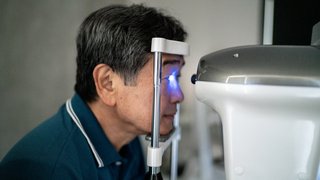
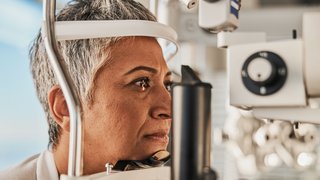
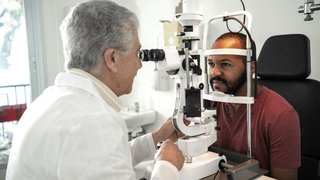
Many families schedule their annual eye checkups during the summer so their children miss less classroom time. While most kids will get a vision screening at school, the annual eye exam will assess your child’s comprehensive eye health and functional vision. The eye doctor can identify any eye disease markers, problems with peripheral vision, and even early symptoms of some chronic conditions such as diabetes or high blood pressure.
The sooner we can diagnose myopia or other emerging vision issues in children, the faster we can intervene with effective treatment. If a new prescription for glasses or contacts could help your child, we want to address that before school starts up again in the fall.
If you notice persistent vision problems this summer or have recurring pain or discomfort with your eyes, don’t wait to seek care. A visit to your ophthalmologist can help you enjoy summer with clearer vision.
To talk with an expert about eye health or vision issues, make an appointment by calling 214-645-2020 or request an appointment online.