


Find a Clinical Trial
Search for opportunities to participate in a heart or vascular research study.
New Patient Appointment or 214-645-8300
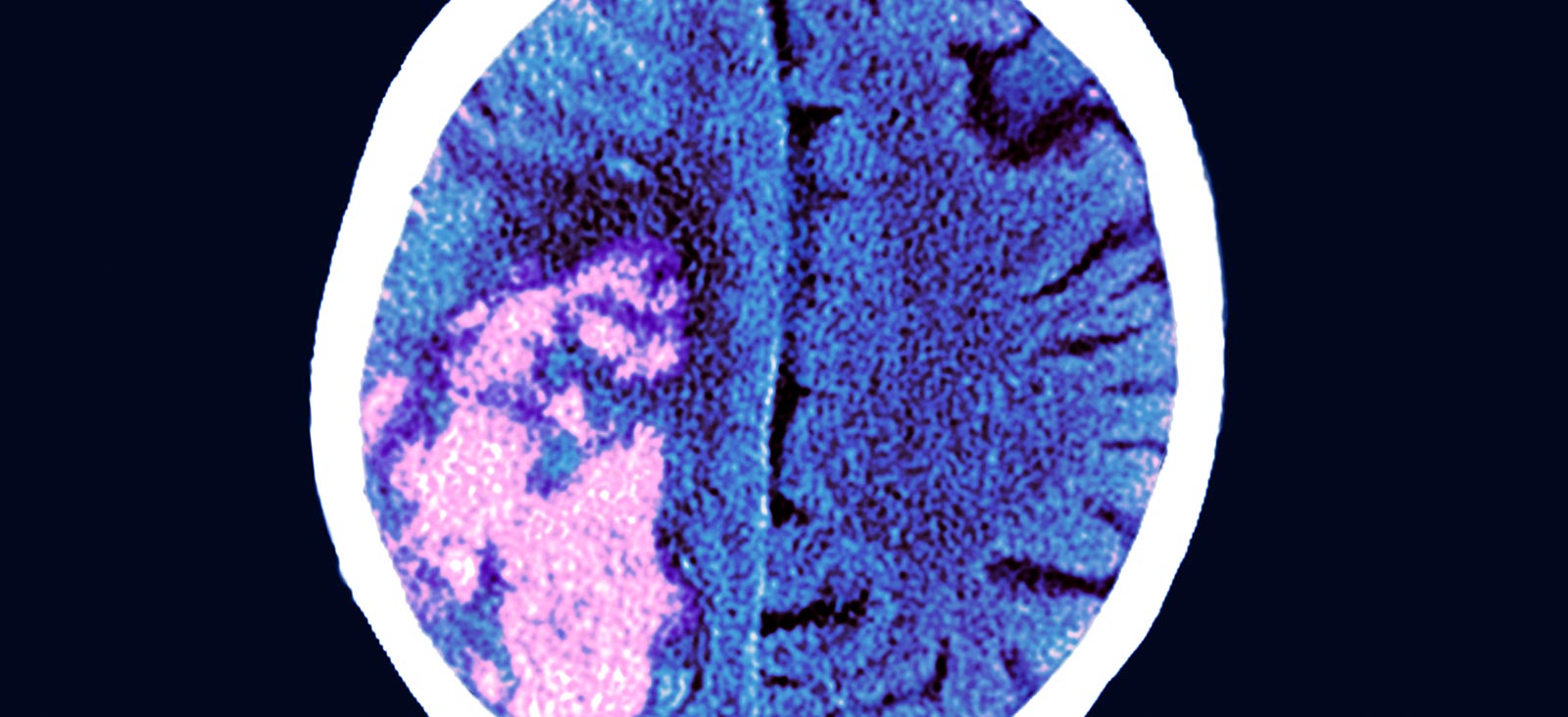
An ischemic stroke develops when part of the brain is suddenly deprived of the blood it needs to function. UT Southwestern Medical Center is at the forefront of treatment for ischemic stroke, including the latest advances in medication and surgical techniques for clearing blocked blood vessels and optimizing a patient’s chance for a full recovery.
If you or a loved one is experiencing signs of a stroke, it is a medical emergency. Call 911 and go to the nearest stroke center in an ambulance.
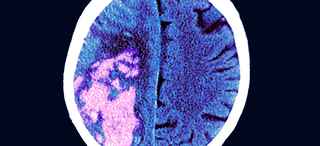
An ischemic stroke occurs when a blockage, such as a blood clot, interrupts blood flow to the brain. Brain cells in that area will die within minutes if they don’t receive the oxygen and nutrients that blood carries. Brain cell death can cause a loss of brain function, which in some cases is permanent.
Ischemic stroke accounts for almost 90 percent of all strokes. It’s usually caused by a narrowing of the arteries in the neck or head due to atherosclerosis, which occurs when plaque builds up inside the arteries.
Many ischemic strokes are preventable if key risk factors are managed. Risk factors for ischemic stroke include:
Our physicians are experts in helping control these risk factors, often with medications that UT Southwestern researchers and clinicians helped discover and test. Learn more about stroke risk factors.
Symptoms of stroke depend on the side of the brain that’s affected, the part of the brain affected, and how severely the brain is injured. Symptoms can include:
Learn more about the warning signs of stroke.
If a patient arrives at UT Southwestern and has experienced or is experiencing a stroke, rapid diagnosis and evaluation are critical so they can receive appropriate medical attention right away.
UT Southwestern specialists diagnose ischemic strokes by doing a physical exam, gathering medical history, and performing advanced imaging. We offer every option for diagnostic imaging, such as:
UT Southwestern Medical Center's treatment of strokes is rated as "High Performing" by U.S. News & World Report, placing us among the nation’s top hospitals for this area of care.

If the stroke is complex and the patient is admitted to a stroke support or a primary stroke center, they can be transferred to a higher-level stroke center such as UT Southwestern once stable. Another hospital can transfer a patient, or the patient and family can request that he or she be taken to UT Southwestern.
The first step in treating an ischemic stroke is to restore blood flow to the affected area of the brain as quickly as possible. Physicians can use tissue plasminogen activator (tPA, also known as IV tPA) to dissolve the blood clot causing the stroke. However, tPA must be administered within three to four and a half hours of the onset of stroke. It’s not a cure, but it can be very effective. Learn more about tPA.
A highly effective new treatment called endovascular rescue therapy has proven to be the treatment of choice in certain patients with acute ischemic stroke. It’s often done after IV tPA is given in patients whose large cerebral vessels are blocked by blood clots.
Endovascular rescue therapy involves placement of a stent or very small catheter into the blocked artery to directly remove the clot. This procedure needs to be done within six to eight hours of the onset of the stroke. Because this type of therapy is performed only in patients who have a blockage in one of the large arteries in the brain, not all patients with ischemic stroke will benefit from it.
Not all hospitals offer endovascular rescue therapy for complex strokes. UT Southwestern performed this type of intervention even before it was introduced as effective for the general population. We offer highly trained and experienced neurointerventional physicians, available 24 hours a day, to perform the procedure.
What happens after an ischemic stroke depends on the magnitude of the stroke and its impact on a patient’s body, which can range from mild to severe. UT Southwestern offers a stroke rehabilitation unit dedicated to helping patients regain as much function as possible and manage the permanent impact of a stroke.
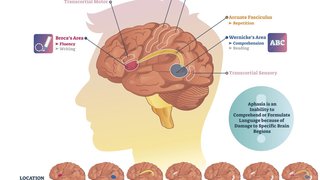
Our therapists assist patients who have problems moving their arms or legs, problems speaking or understanding language (aphasia), difficulty swallowing (dysphagia), difficulty with walking/balance, and other effects of stroke. Learn more about stroke rehabilitation.
UT Southwestern’s Robert D. Rogers Advanced Comprehensive Stroke Center is the only Advanced Comprehensive Stroke Center in North Texas, as certified by The Joint Commission and the American Heart Association/American Stroke Association.
As the only dual-certified hospital system in the nation, we earned this designation for offering specialized care that gives patients the best possible chance of recovery. Studies consistently show that patients treated at designated stroke centers have lower rates of mortality and morbidity – and better outcomes – than patients treated elsewhere.
UT Southwestern also offers patients access to innovations in stroke care, including new treatment options for cerebrovascular disorders. UT Southwestern evaluates these innovative treatments for effectiveness and then often becomes the first hospital in North Texas to offer them. Learn more about clinical trials.
Search for opportunities to participate in a heart or vascular research study.
We’re one of the world’s top academic medical centers, with a unique legacy of innovation in patient care and scientific discovery.