
Stroke Care at UT Southwestern
UT Southwestern’s comprehensive stroke care includes rapid diagnosis, advanced treatment options, and a highly specialized care team. Our coordinated care improves stroke outcomes.
New Patient Appointment or 214-645-8300
UT Southwestern Medical Center’s team of specialists offers innovative, patient-centered care for a wide range of cerebrovascular disorders, from the common to the complex and rare.
As a regional referral center for cerebrovascular disorders and an Advanced Comprehensive Stroke Center, we offer the highest level of care available. Our long history of cerebrovascular expertise has allowed us to introduce new treatments to patients from across the country through innovative research and groundbreaking techniques.
Cerebrovascular disorders are diseases that affect the blood vessels of the neck, spinal cord, and brain. Many of these diseases can be complicated by stroke (or lack of blood flow to the brain), but the goal of an advanced cerebrovascular center is to prevent stroke through proactive, safe management of the disease.
Cerebrovascular diseases include:
Cerebrovascular disorders can present a significant threat to a patient’s health and may require emergent care.
UT Southwestern’s team of neurosurgeons, neurologists, neuroradiologists, neurointensivists, rehabilitation physicians, and other specialists work together to deliver the best outcomes for patients. We are proud to provide expert diagnosis and treatment at every stage, from urgent neurosurgical care to long-term condition monitoring.
As a regional referral center for cerebrovascular diseases, we serve patients across Texas and from surrounding states (Oklahoma, New Mexico, Arkansas, and Louisiana). Several UT Southwestern facilities have obtained additional certifications to allow for cerebrovascular and stroke specialization. Because of our robust telemedicine platform and international airport, we frequently provide care to patients who are more remote.
Our neuroimaging specialists employ advanced technology to provide timely evaluations that guide decisions on surgical intervention or conservative monitoring. Our neurosurgeons are leaders in delivering the full spectrum of treatments for cerebrovascular disorders, ranging from minimally invasive techniques to complex bypass surgeries.
For stroke patients, the Robert D. Rogers Advanced Comprehensive Stroke Center offers the highest level of care, supported by UT Southwestern’s neuro ICU — the largest in North Texas — at our William P. Clements Jr. University Hospital. The unit is staffed by a specialized team managing all aspects of life-threatening cerebrovascular disorders.
Our patients also benefit from ongoing clinical trials that give them access to leading-edge research and therapeutic advances, often before these options are available at other hospitals.
Signs of cerebrovascular disorders vary depending on where in the brain the problem occurs. Symptoms can include:
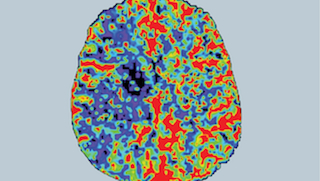
We evaluate patients using the most advanced imaging techniques, including:
UT Southwestern’s comprehensive stroke care includes rapid diagnosis, advanced treatment options, and a highly specialized care team. Our coordinated care improves stroke outcomes.
Treatment will depend on the type and severity of the cerebrovascular disorder. Options include:
Many patients may also benefit from rehabilitation services, including physical therapy and speech therapy, to support recovery.
UT Southwestern is active in research and clinical trials to improve understanding and treatment for patients with cerebrovascular diseases. Our research has addressed crucial questions about carotid disease, intracranial large vessel disease, the effect of glucose control and hypertension in acute stroke patients, and the use of antiplatelet and anticoagulant medication.
We are creating a real-world data platform to advance research in vascular contributions to cognitive impairment and dementia and developing patient-centered prediction tools to empower stroke patients regarding stroke care and prevention.
Search for current clinical trials and learn about cerebrovascular research at UT Southwestern.
Search for opportunities to participate in a neurology research study.
We’re one of the world’s top academic medical centers, with a unique legacy of innovation in patient care and scientific discovery.
Brain; Prevention; Women's Health
December 11, 2024