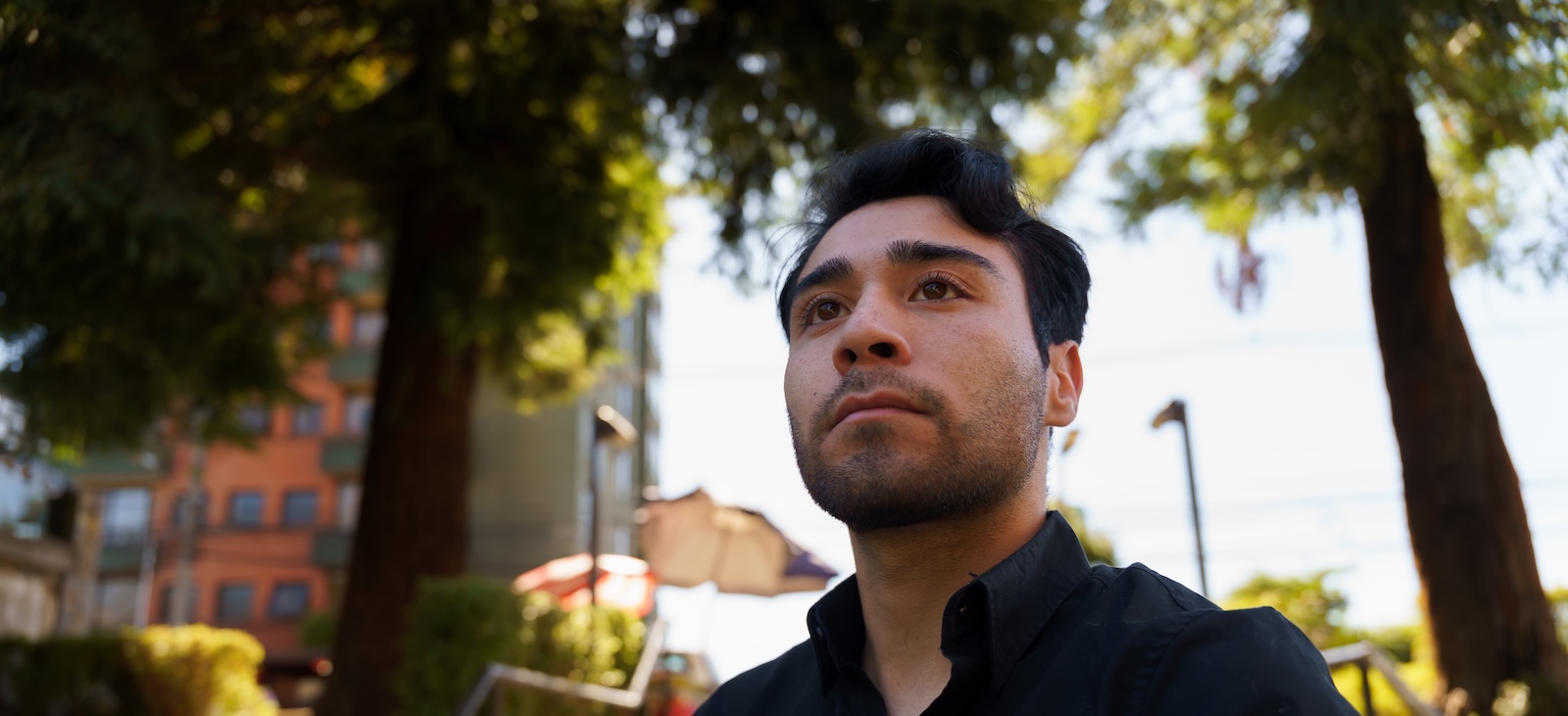


Interested in Becoming a Living Donor?
Take the first step and complete our confidential living-donor transplant questionnaire.
New Patient Appointment or 214-645-1919
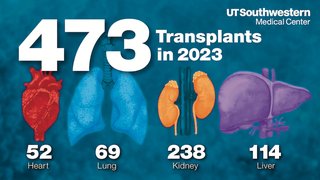
Liver transplant specialists at UT Southwestern have performed the most liver transplantations in North Texas for five years in a row, and our Liver Transplant Program continues to experience unprecedented growth while maintaining exceptional patient outcomes.
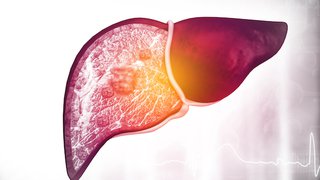
Liver transplant surgery may be used when the liver is failing or when certain liver cancers can’t be treated another way. Common conditions include:
Liver transplant surgery can use a liver from a deceased donor or a living donor. In both cases, the surgeon removes the diseased liver and replaces it with healthy liver tissue. The best option depends on the patient’s condition, body size, and donor availability.
In a deceased donor transplant, the liver comes from an organ donor who died. This is the most common type of liver transplant, and for many patients, it offers the best chance of survival.
Some patients receive a whole liver, while others receive part of a donor liver. Because the liver can regrow, both options can provide effective treatment. The approach depends on body size and clinical needs.
Patients must first be approved for transplant before being placed on the national waitlist. Factors such as blood type, body size, location, and medical urgency help determine donor matching. Learn more about liver transplant approval and the waitlist.
In a living donor transplant, a healthy person donates part of their liver. That portion is transplanted into the recipient, where it can regrow after surgery.
Because there are not enough deceased donor livers for every patient who needs one, a living donor transplant may shorten the wait for surgery. This can be important when liver disease is advancing.
Living donor transplant is not right for every patient. Our transplant team decides whether it is a safe option.
Learn about the Living-Donor Liver Program at UT Southwestern.
Take the first step and complete our confidential living-donor transplant questionnaire.
Through our transplant satellite clinics in Texas, we make liver transplantation more accessible for people by delivering most of their transplant care closer to home. Our transplant operations take place at William P. Clements Jr. University Hospital in Dallas and are performed by our expert team, which produces some of the best results in the country along with one of the shortest lengths of stay after surgery.
ELITE Status
ELITE Status
UT Southwestern Transplant Programs have earned ELITE status from Interlink Center of Excellence (COE) Networks & Programs, which ranks transplant programs nationwide using a rigorous credentialing standard. UTSW's Interlink Performance Score far exceeds the national average and demonstrates superior results across a variety of measures, including patient outcomes, accessibility, and pre- and post-transplant care.
Before Liver Transplant Surgery
Learn about the evaluation and waitlist process.
During Liver Transplant Surgery
Find out what happens during surgery at Clements University Hospital.
After Liver Transplant Surgery
UT Southwestern is shaping the future of liver transplant care through highly specialized procedures and the development of new technologies.
UT Southwestern conducts clinical trials to advance transplant care, including studies that may benefit patients with liver disease and liver transplantation needs. Patients may have opportunities to participate in research depending on their diagnosis, treatment plan, and eligibility.
UT Southwestern’s Liver Transplant team is made up of skilled surgeons, hepatologists (liver doctors), intensive care doctors, anesthesiologists, infectious disease doctors, endocrinologists, imaging experts, nurses, transplant coordinators, social workers, psychologists, dietitians, pharmacists, nutritionists, physical and occupational therapists, financial coordinators, and other specialists who work side by side. Our team’s expertise enables us to deliver comprehensive, integrated care that helps patients achieve the best possible outcomes.
Dr. Mufti is the Medical Director of Liver Transplantation at UT Southwestern. He trained in internal medicine at Kings College Hospital in London and at the University of Chicago, where he also received advanced training in gastroenterology and transplant hepatology. Aside from maintaining a busy clinical practice, Dr. Mufti contributes to several of the leading peer-reviewed hepatology journals around the world as an ad-hoc reviewer and as a member of several editorial boards.
Dr. Patel is the Surgical Director of Liver Transplantation. He completed his general surgery residency at Massachusetts General Hospital, followed by advanced fellowship training in abdominal transplant and hepato-pancreato-biliary surgery at the University of Toronto. He earned his medical degree from the University of California, Irvine (UCI), and holds additional master’s degrees in biomedical engineering from Brown University and business administration from UCI.

Comprehensive, World-Renowned Transplant Care
UT Southwestern provides the highest-quality care and helps restore patients to full and productive lives. Our transplantation teams are there for patients, from initial evaluation through the life of the organ
Patients can sign up to be a transplant donor with Donate Life or through their local Department of Motor Vehicles (DMV).