Can uterine fibroids harm my pregnancy?
October 8, 2025

Early in pregnancy, it's not uncommon to diagnose a patient with preexisting conditions that might cause concern during the next nine months.
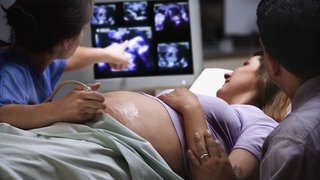
While diabetes and high blood pressure are common concerns we diagnose during pregnancy, 1% to 10% of expectant moms are found to have uterine fibroids – abnormal but noncancerous tissue growths inside the uterus – during a prenatal ultrasound. For some this is a new finding, but many women are already aware they have them.
Uterine fibroids are common. By age 35, 40% to 60% of women will have developed these growths, which can cause abdominal bulkiness and heavy or painful periods.
Even so, the diagnosis can be alarming for some patients. I have weird tissue growing near my baby? What does that mean for my pregnancy?
While there is a large amount of research on fibroids in nonpregnant patients, data are limited on how fibroids can affect pregnancy. Thankfully, we do know that most patients with fibroids will have an uneventful pregnancy and delivery.
Having a few small fibroids is rarely cause for concern. However, depending on the location of your fibroids, how many you have, and whether they are large – fibroids can range from the size of a coin to a basketball – we will monitor for certain situations that can cause problems during pregnancy.
Risks to mom and baby related to fibroids during pregnancy
In general, fibroids pose a low risk to a growing baby. If you have large or multiple fibroids, we'll watch closely for a few potential concerns:

- Abnormal placenta: Fibroids have been associated with placenta previa (implantation of the placenta over the cervix) and placental abruption (premature separation of the placenta from the uterus). Your doctor can use ultrasound imaging to check the placenta during pregnancy.
- Fetal growth restriction (FGR): During pregnancy, the blood supply increases to support the baby’s growth. Fibroids also require a large amount of blood, so the competition may restrict the baby’s growth. Babies with FGR are under the 10th percentile for estimated fetal weight and fundal height (measured by ultrasound).
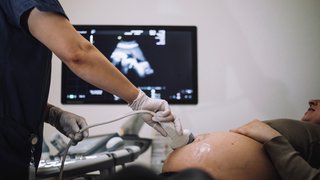
- Fibroid growth: About two thirds of fibroids will grow or shrink during pregnancy. Your Ob/Gyn may use an ultrasound to monitor changes in fibroid size and evaluate the growth of your baby. If the fibroid gets too little blood supply, it may degenerate, which can cause great discomfort for you but will not harm the baby. Your doctor may recommend temporarily taking a short course of the nonsteroidal anti-inflammatory drug (NSAID) indomethacin if this is before 32 weeks’ gestation. Talk with a doctor before taking anti-inflammatory medication during pregnancy, since we do not usually recommend this type of medication in pregnancy.
- Fetal malpresentation: If the fibroids limit space in the uterus, your baby may move into breech position – bottom down instead of head down. Using ultrasound and a physical exam, we will monitor the baby's position as you get closer to your due date. If your baby is not head down, your doctor might recommend cesarean section (C-section) delivery.
- Preterm delivery: Having multiple or large fibroids may lead to preterm contractions (many women experiencing fibroid degeneration will also have contractions) or ruptured membranes (when your water breaks before 37 weeks). Contact your Ob/Gyn right away if you think you may be leaking fluid or going into labor early.
Risks for pregnant women with fibroids during delivery
Knowing the position and size of your fibroids can help you and your care team prepare for potential labor and delivery complications, such as:

- Incomplete cervical dilation: Bulky fibroids that crowd the lower uterine area can block the opening of the birth canal, increasing the risk of needing a C-section.
- Poor contracting: Disruption of normal uterine tissue from fibroids may result in weak contractions. This makes it difficult to reach complete cervical dilation when in labor and may necessitate C-section delivery.
- Postpartum hemorrhage: Poor contracting can lead to bleeding after delivery. If the uterus can't contract, uterine blood vessels that fed the placenta might continue to bleed. Postpartum hemorrhage is a medical emergency and usually occurs within 24 to 48 hours after delivery. If you experience heavy vaginal bleeding, call your doctor right away.
Vaginal delivery often is possible for most women with fibroids and is generally preferred over C-section. Talk with your doctor about your personal risk factors, if any, throughout the pregnancy.
Our patients sometimes ask what they can do to get rid of fibroids during pregnancy. It is exceedingly rare that a provider would recommend a fibroid removal procedure during pregnancy; disturbing the uterine muscle can present risks for the mother and baby. It is also not generally recommended to remove fibroids at the time of cesarean section due to increased bleeding from the extra blood supply of the pregnant uterus; however, sometimes this is necessary to close the incision made to deliver the baby. We recommend that patients wait at least six months after delivery to consider a fibroid treatment procedure. That’s because the uterus will shrink to a more normal size during the postpartum period, so you can assess how much the fibroids affect your daily life. They may even be smaller after pregnancy!
However, there are many options to consider for shrinking or removing fibroids after delivery.
Related reading: What's going on with my uterus? 3 conditions related to pelvic pain and bleeding
Fibroid treatment after pregnancy
Your Ob/Gyn can help you choose the best fibroid treatment after pregnancy. We offer options that range from noninvasive to removal of the uterus, based on your goals and symptoms.
Talk with your doctor about the severity of your symptoms and whether you might want to become pregnant again before choosing a treatment. Our patients typically choose one of these five treatments:
- Medication: Your doctor may recommend NSAIDs such as ibuprofen for discomfort or hormonal birth control to help relieve heavy periods. Taking iron supplements can help with iron-deficiency anemia, which can be associated with heavy periods.
- Myomectomy: Myomectomy is the standard of care for surgical treatment of impactful fibroids in women who desire pregnancy in the future. In this procedure, the fibroids are removed and the uterus is reconstructed. Plan for approximately four to six weeks of recovery before returning to normal activities and a delay before pursuing pregnancy to allow for optimal uterine healing time. C-section is frequently recommended in pregnancies that occur after myomectomy due to the weakening of the muscle and risk for uterine rupture with contractions.
- Uterine fibroid embolization: This procedure is performed by interventional radiologists. It starves the fibroids of blood, causing them to shrink by 40% to 60% over time. Pregnancy is possible after this treatment. However, there may be an increased risk of abnormal adherence of the placenta to the uterus (placenta accreta).
- Radiofrequency ablation: This therapy spares the uterus and requires less recovery time than myomectomy. In a minimally invasive procedure, the doctor heats each fibroid, causing it to shrink up to 50% over time. Healthy pregnancies have been reported after this therapy.
- Hysterectomy: If you do not want to become pregnant and if fibroids are affecting your daily life, removing the uterus is an effective treatment. Plan for six weeks of recovery before returning to most normal activities.
If you are having symptoms that may be consistent with having fibroids and are considering pregnancy, talk to your doctor so you can have an ultrasound before you conceive. If you are experiencing gynecologic issues prior to or during pregnancy, talk with your doctor. We can help manage your fibroid symptoms before and after pregnancy, with your future family goals in mind.
To talk with an Ob/Gyn, make an appointment by calling 214-645-3838 or request an appointment online.