

Search for opportunities to participate in a digestive systems and liver disease research study.
Constipation
New Patient Appointment or 214-645-8300
Digestive disease specialists at UT Southwestern Medical Center have advanced training and expertise in evaluating and treating people of all ages, from infants to older adults, with all types of digestive disorders.
We are experienced in determining the underlying causes of constipation to provide treatment that relieves symptoms and helps people get back to the activities they enjoy.
Expert Treatment to Relieve Constipation
Constipation is a digestive condition in which someone has infrequent bowel movements, hard stool, straining with bowel movements, feeling of incomplete stooling, or a combination of those symptoms. Occasional constipation is common, but it can become chronic if it lasts for several weeks or months.
Gastroenterologists, urogynecologists, and other specialists at UT Southwestern engage in research to understand how gynecologic, digestive, and other types of disorders can cause constipation. Our goal is to bring the latest research findings directly to our patients and provide treatment that addresses the underlying causes of the condition.
Causes of Constipation
Constipation happens when waste moves too slowly through the digestive tract and cannot be completely eliminated from the intestines. Chronic constipation has many causes, including:
- Improper diet, such as not eating enough fiber or drinking enough water
- Lack of physical activity
- Certain medications, such as diuretics, iron supplements, narcotic pain medications, certain antacids, medications that help prevent seizures or muscle spasms, and some antidepressants
- Digestive disorders, such as celiac disease or irritable bowel syndrome
- Intestinal blockages, such as tumors or anatomic problems
- Metabolic and genetic conditions, such as diabetes
- Hormonal disorders, such as hypothyroidism
- Neurologic disorders or injuries (affecting the brain and spine)
- Changes in life or daily routines, such as pregnancy, travel, change of medications, or change of diet
- Previous abdominal surgeries
- Mood disorders such as depression and anxiety
For younger children, stool withholding during potty training can cause chronic constipation.
Symptoms of Constipation
Constipation involves symptoms that can be similar to those of other, more serious conditions. Patients should see their doctor if they experience constipation with any of these symptoms:
- Blood in the stool or bleeding from the rectum
- Constant abdominal pain
- Fever
- Lower back pain
- Unexplained weight loss
- Vomiting
- Decreased appetite and/or early satiety with associated change in bowel habits
- Leakage of stool in underwear
Constipation in Children
Constipation is common for children, and while it is not usually due to an underlying serious issue, it can be painful and cause parents concern.
UT Southwestern Pediatric Group’s experts in digestive health offer comprehensive care that’s not available elsewhere for children with constipation.
For example, our Bowel Management Program is the only such program in North Texas for children with simple and complex anorectal malformations, and our motility center can perform the full range of motility testing to help understand the problem.
Learn more about our Gastroenterology, Hepatology, and Nutrition Program.
Diagnosing Constipation
At UT Southwestern, we typically don’t need to order extensive testing for constipation. However, some patients need further testing if they have:
- Constipation for more than two weeks
- Constipation that is refractory to medical and dietary management
- Family history of colorectal cancer
- Symptoms that indicate an underlying issue such as diabetes or a thyroid condition
Our experienced gastroenterologists begin with a thorough evaluation that includes a:
- Discussion of symptoms
- Review of personal and family medical history
- Physical exam
If our physicians suspect an underlying condition as the cause of constipation, we might recommend other tests such as:
- Anorectal manometry: Test that measures pressure, reflex, sensation, and muscle function in the rectum and anus
- Blood tests: Tests of a patient’s blood sample to check for related conditions, such as celiac disease
- Colonic transit study: Test that evaluates the movement of food through the colon, with the patient swallowing a capsule that is visible on X-rays
- Colonic manometry: Test that measures contractions and propagation of feces through the colon
- Colonoscopy: Test that examines the large intestine (colon) with a narrow, lighted scope
- Digital rectal exam: Test in which the doctor inserts a lubricated, gloved finger into the rectum to assess any abnormalities
- Magnetic resonance imaging (MRI) defecography: Imaging in which the patient receives and passes a contrast gel, with MRI scans taken to assess the function of the defecation muscles
- Sigmoidoscopy: A test that examines the lower portion of the colon with a narrow, lighted scope
- X-ray defecography: X-ray imaging in a test similar to MRI defecography
Treatment for Constipation
Our physicians begin with lifestyle changes that help food and waste move faster through the digestive tract. Our lifestyle recommendations include:
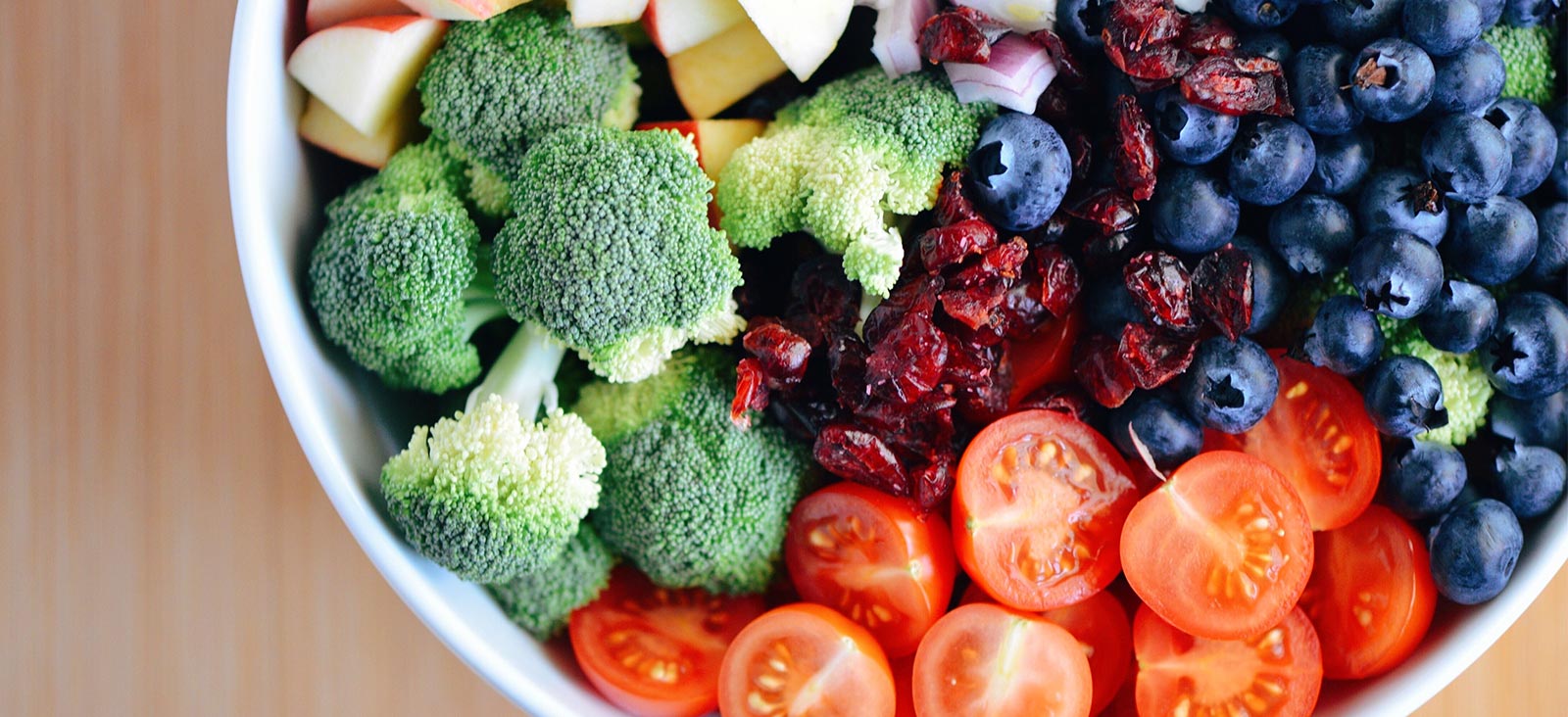
- Increasing fiber intake by eating more fruits and vegetables and choosing whole-grain versions of breads and cereals
- Exercising most days of the week
- Taking the time to have a bowel movement without rushing or postponing
- Taking over-the-counter laxatives, such as fiber supplements, stool softeners, or stimulant laxatives as directed by a physician (not for long-term use)
If lifestyle changes don’t relieve chronic constipation, other nonsurgical treatment options include:
- Prescription medications that help stool move faster through the intestines
- Biofeedback training to practice tightening and relaxing pelvic muscles to help pass stool
- Enema irrigation systems, such as Peristeen
If nonsurgical treatments have not worked to relieve constipation, or if patients have a blockage or other physical problem in the intestines, surgery can be an option. Depending on each patient’s individual case, our gastroenterologists can perform surgical procedures to:
- Remove blockages
- Repair rectal hernias and rectal prolapse
- Remove part of the colon or the entire colon
Specific procedures include:
- Cecostomy or Malone antegrade cecostomy enema (MACE) to clear a child’s bowels
- Ileostomy or colostomy
Support Services
Support services available include:
- Pelvic floor therapy
- Physical therapy
- Anorectal biofeedback training
- Pediatric GI psychology

We’re one of the world’s top academic medical centers, with a unique legacy of innovation in patient care and scientific discovery.

MedBlog



Results: 2 Locations
Digestive Disease
at UT Southwestern Frisco 12500 Dallas Parkway, 2nd FloorFrisco, Texas 75033 469-604-9020 Directions to Digestive Disease at UT Southwestern Frisco, Frisco Parking Info for Digestive Disease
Urogynecology and Reconstructive Pelvic Surgery Clinic
at Professional Office Building 2 5939 Harry Hines Blvd., 5th Floor, Suite HQ 5.200Dallas, Texas 75235 214-645-3848 Directions to Urogynecology and Reconstructive Pelvic Surgery Clinic at Professional Office Building 2, Dallas Parking Info for Urogynecology and Reconstructive Pelvic Surgery Clinic