
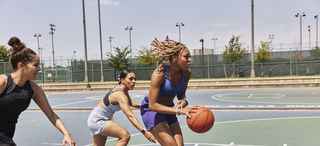

We’re one of the world’s top academic medical centers, with a unique legacy of innovation in patient care and scientific discovery.
Knee Arthroscopy
New Patient Appointment or 214-645-8300

Nationally Ranked in Orthopaedics – #1 in DFW
UT Southwestern Medical Center is ranked the No. 1 hospital for orthopaedic care in Dallas-Fort Worth and among the best nationally by U.S. News & World Report.

Knee arthroscopy is a minimally invasive surgery used to diagnose and treat a wide range of knee conditions and injuries, including anterior cruciate ligament (ACL) injuries and meniscus tears. Arthroscopic knee procedures are performed using a small incision, with little impact to the area around the joint.
UT Southwestern Medical Center’s orthopaedic and sports medicine specialists offer comprehensive care for knee conditions, from diagnosis through recovery. We only recommend surgery when absolutely necessary.
Our advanced knee arthroscopy techniques promote quicker recoveries and better pain control than open surgery. This helps our patients, including athletes of all kinds, get back to the activities they love sooner.

What Is Knee Arthroscopy?
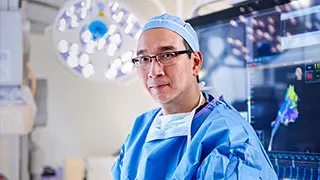
Knee arthroscopy is a minimally invasive surgical technique. A small camera, called an arthroscope, is inserted into the knee joint. The camera sends images to a video monitor, allowing the surgeon to see cartilage, ligaments, and other joint structures. Additional small incisions may be made to insert instruments used to repair or remove damaged tissue.
This procedure is commonly performed when nonsurgical treatments such as rest, physical therapy, or medication have not relieved symptoms.
Why Choose UT Southwestern for Knee Arthroscopy?
UT Southwestern orthopaedic surgeons are experts in minimally invasive knee surgery. We use advanced techniques and imaging to support an accurate diagnosis, and effective and coordinated treatment and recovery plans.
We offer the latest arthroscopic approaches to help provide patients with the best results. We also perform a large number of knee arthroscopies. Data shows that medical centers experienced in performing a larger number of these procedures by surgeons trained in knee arthroscopy and sports medicine achieve better results for patients.
Another advantage UT Southwestern offers is our expertise in helping patients manage pain after surgery without using opioids. Nonopioid pain management can reduce recovery time and help patients avoid the risk of side effects linked to opioid medications.
Patients who choose UTSW’s orthopaedics team for care also benefit from:
- A treatment philosophy focused on preserving knee function, whenever possible, while supporting long-term joint health
- Advanced imaging and diagnostic technology to accurately evaluate knee conditions and guide care decisions
- Personalized care plans that emphasize nonsurgical treatment, with surgery considered only when appropriate
- Fellowship-trained orthopaedic surgeons and sports medicine specialists with expertise treating the full spectrum of knee conditions
- Specialists with experience serving as team doctors for professional sports teams and elite athletes, with the expertise needed to maximize patient care and recovery
- Care within a leading academic medical center recognized for orthopaedic expertise and innovation
What Are the Benefits of Knee Arthroscopy?
Compared with open knee surgery, arthroscopy offers the following advantages:
- Smaller incisions and less scarring
- Reduced pain and swelling after surgery
- Lower risk of infection
- Shorter recovery time for many patients
- Earlier return to daily activities, depending on the condition treated
What Conditions Does Knee Arthroscopy Treat?
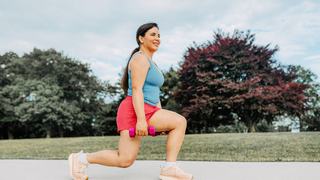
Knee arthroscopy may be used to evaluate and treat several problems. Patients who are involved in sports that involve high-impact running, jumping, or cutting – such as football, soccer, gymnastics, and dance – often develop conditions that may lead to the need for knee arthroscopy.
However, patients who do low-impact activities such as walking may also benefit from knee arthroscopy. The procedure is often recommended when symptoms do not improve with nonsurgical care.
Common conditions treated include:
- Meniscus tears: damage to the tissue between the thigh bone (femur) and shin bone (tibia)
- Anterior cruciate ligament (ACL) injuries: damage to the ligament that connects the thigh bone and the shin bone
- Cartilage damage or defects
- Inflammation of the joint lining (synovitis)
What Should Patients Expect Before Knee Arthroscopy?
Before knee arthroscopy, our care team completes a full evaluation of each patient. Preparation may include:
- A physical exam and review of symptoms
- Imaging tests such as X-rays and magnetic resonance imaging (MRI)
- A review of current medications
- Instructions about eating and drinking before surgery
- Planning for transportation home after the procedure
What Should Patients Expect During Knee Arthroscopy?
Knee arthroscopy is typically performed as an outpatient procedure. During surgery:
- Anesthesia is used to help control pain and keep the patient comfortable
- Small incisions are made around the knee
- The arthroscope is inserted to allow the surgeon to view the joint
- Specialized instruments are used to repair, trim, or remove damaged tissue
- The incisions are closed with small stitches or surgical tape
The procedure usually lasts less than one hour, depending on the complexity of the condition.
What Should Patients Expect After Knee Arthroscopy?
Recovery time varies, based on the problem treated and the type of repair performed. After surgery, patients can expect:

- Mild swelling and discomfort for several days
- The use of ice, elevation, and prescribed pain medication
- A short period of limited activity
- Physical therapy to restore strength, motion, and stability
- A gradual return to work, exercise, and sports as healing progresses
Many patients resume normal daily activities within a few weeks, although a full recovery may take longer for ligament or cartilage repairs.
What Support Services for Knee Arthroscopy Does UT Southwestern Offer?
UT Southwestern offers coordinated support services to enhance recovery, including:
- Physical therapy and rehabilitation programs
- Pain management
- Education resources for recovery and long-term joint health
What Clinical Trials Are Available for Knee Pain and Knee Arthroscopy?
UT Southwestern participates in clinical research focused on improving treatment for certain knee conditions treated with arthroscopy. These studies help evaluate new techniques, devices, or rehabilitation strategies. Clinical trials may be available for eligible patients, depending on their diagnosis and treatment plan.
For example, UT Southwestern is involved in a study that compares nonopioid pain relief with traditional opioid options. Early results show no difference between the two, which makes nonopioid options a better choice for most patients, because they provide similar pain control with a lower risk of addiction and other serious side effects.
Ask our doctors about current studies or search for clinical trials.
Related Conditions and Treatments

UT Southwestern’s patient care app – UTSWMyCare – helps you easily manage your health and stay connected to UTSW and your doctor, all in a secure and safe environment.

Explore our Patient Resource Guide for an overview of the amenities, services, and clinics at UT Southwestern.
MedBlog

Results: 3 Locations
Orthopaedic Surgery Clinic
at William T. Solomon Outpatient Building 1801 Inwood Road, 1st FloorDallas, Texas 75235 214-645-3300 Directions to Orthopaedic Surgery Clinic at William T. Solomon Outpatient Building, Dallas Parking Info for Orthopaedic Surgery Clinic
Orthopaedic, Sports Medicine, and Rehabilitation Programs
at UT Southwestern Medical Center at Las Colinas 6121 N. State Highway 161, 3rd Floor, Suite 300Irving, Texas 75038 469-647-4704 Directions to Orthopaedic, Sports Medicine, and Rehabilitation Programs at UT Southwestern Medical Center at Las Colinas, Irving
Physical Medicine and Rehabilitation
at UT Southwestern Frisco 12500 Dallas Parkway, 1st FloorFrisco, Texas 75033 469-604-9130 Directions to Physical Medicine and Rehabilitation at UT Southwestern Frisco, Frisco Parking Info for Physical Medicine and Rehabilitation