

We’re one of the world’s top academic medical centers, with a unique legacy of innovation in patient care and scientific discovery.
Knee Meniscus Tear
New Patient Appointment or 214-645-8300

Nationally Ranked in Orthopaedics – #1 in DFW
UT Southwestern Medical Center is ranked the No. 1 hospital for orthopaedic care in Dallas-Fort Worth and among the best nationally by U.S. News & World Report.

Knee meniscus tears are common injuries that often cause pain. Some people also experience swelling, bruising, or a feeling that their knee is locking or “giving way.” These injuries don’t heal on their own; it’s important to seek care before symptoms get worse.
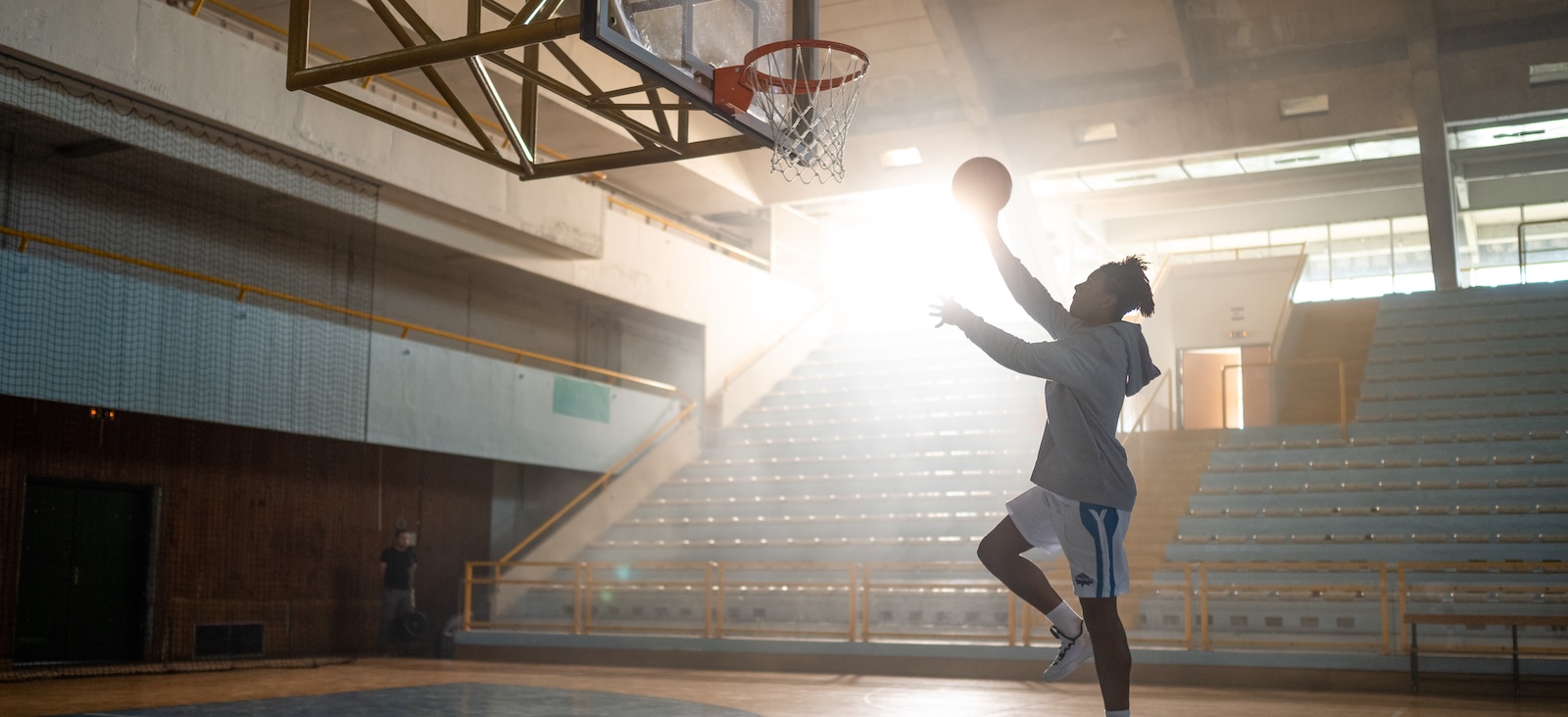
At UT Southwestern Medical Center, our orthopaedic and sports medicine specialists evaluate and treat meniscus tears that cause pain and affect movement. We regularly see patients who are professional, college, high school, or recreational athletes. Our team also provides expert care for meniscus tears resulting from regular wear and tear, often experienced by adults 40 or older.
UT Southwestern offers nonsurgical and surgical care for knee injuries. We only recommend surgery to treat meniscus tears when absolutely needed to support healing. Our goal is to help patients regain knee stability, build strength, and get back to their maximum level of activity.

What Is a Meniscus Tear?
The meniscus is a piece of tissue in the knee that acts as a cushion between the thigh bone (femur) and shin bone (tibia). It prevents bones from rubbing against each other. Tears can result from injury or wear and tear over time.
Patients often experience a meniscus tear while playing sports when they:
- Twist or pivot on a bent knee
- Make sudden stops or changes in direction
- Take a direct impact to the knee
What Are the Types of Meniscus Tears?
Meniscus tears differ based on where they occur, how the tissue is damaged, and whether the tear is stable or displaced. These differences help specialists determine which treatments are most appropriate.
- Radial tears extend inward from the edge of the meniscus and often occur in areas with limited blood supply.
- Horizontal tears split the meniscus into upper and lower sections and are often linked to gradual wear over time.
- Longitudinal tears run lengthwise along the meniscus.
- Bucket-handle tears are a more severe form of longitudinal tears and occur when a portion of the meniscus shifts out of place.
- Flap tears occur when a piece of tissue becomes partially detached.
- Complex tears involve a combination of tear patterns, making them more challenging to treat.
Why Choose UT Southwestern for Knee Meniscus Tear Treatment?
UT Southwestern orthopaedic and sports medicine specialists evaluate and treat knee meniscus tears using a coordinated, team-based approach that supports patients from diagnosis through recovery. Our team offers expertise in accurately diagnosing meniscus tears, so they are treated appropriately.
We offer the latest nonsurgical treatments, such as anti-inflammatory medications and rehabilitation, which can reduce pain and help patients improve knee function and movement. However, nonsurgical care does not repair the meniscus; surgery is the only option to repair a tear.
We only recommend surgery after considering nonsurgical treatments. When needed, our surgeons are experts in advanced, minimally invasive arthroscopic knee procedures designed to achieve exceptional results for patients.
Meniscus tears may occur along with anterior cruciate ligament (ACL) injuries, which makes surgery more complex. We perform a large number of knee surgeries; studies show that medical centers performing a high volume of procedures have better outcomes for patients.
Another advantage UT Southwestern offers is our expertise in helping patients manage pain after surgery without using opioids. This approach can reduce recovery time and help patients avoid the risks of side effects linked to opioid medications.
Patients who choose UT Southwestern’s orthopaedic team for care also benefit from:
- A treatment philosophy focused on preserving knee function, whenever possible, while supporting long-term joint health
- Personalized care plans that emphasize nonsurgical treatment, with surgery considered only when appropriate
- Care from a regional destination for complex knee injury recovery, supporting patients who need coordinated rehabilitation beyond initial treatment
- Fellowship-trained orthopaedic and sports medicine specialists with expertise in treating meniscus and other knee injuries
- Specialists’ experience serving as team doctors for professional sports teams and elite athletes, with the advanced skills needed to maximize patient care and recovery
- A collaborative care team that includes surgeons, nonsurgical specialists, physical therapists, and other medical professionals who guide patients throughout recovery
- Access to an academic medical center where clinical expertise and research inform treatment decisions
What Are the Symptoms of a Meniscus Tear?
Meniscus tear symptoms may appear right away or develop over time, depending on how the tear occurs. Common symptoms include:
- Knee pain, especially with twisting or squatting
- Swelling or stiffness
- A catching or locking sensation in the knee
- Limited range of motion
- A feeling that the knee may “give way”
How Is a Meniscus Tear Diagnosed?
Every meniscus injury is different, and proper diagnosis is critical to determining the best treatment. Our team begins with a review of symptoms and a physical exam to assess knee movement and stability. Additional tests may include:
- X-rays to rule out bone injury or arthritis
- Magnetic resonance imaging (MRI) to confirm a meniscus tear and evaluate surrounding structures
How Is a Meniscus Tear Treated?
Our orthopaedic team develops a care plan based on the type of meniscus tear, the severity of symptoms, the patient’s activity level, and the overall condition of the knee. We start with nonsurgical approaches and suggest surgery only when necessary to achieve a patient’s goals.
Nonsurgical Treatments
Some meniscus tears can be managed without surgery, especially when symptoms are mild or the tear is stable. Our specialists may recommend:

- Activity modification to reduce stress on the knee
- Physical therapy to strengthen surrounding muscles and improve movement
- Anti-inflammatory or pain-relief medications
- Cortisone or regenerative injections to reduce pain and inflammation
- Use of supportive bracing, when appropriate
Surgical Treatments
Surgery may be recommended when symptoms persist or interfere with daily activities. Surgical options may include:
- Meniscus repair, which preserves and sutures the torn tissue when the potential to heal is likely
- Partial meniscectomy, in which damaged tissue is trimmed while preserving healthy tissue
- Meniscus transplantation, which replaces missing meniscus tissue with donor tissue in select patients who have had most of the meniscus removed during a previous surgery and continue to have pain with weight-bearing activities
Our surgeons typically use minimally invasive arthroscopic techniques to treat meniscus tears. This approach allows precise treatment through small incisions, which may help reduce pain, limit tissue disruption, and support recovery.
Recovery usually includes a structured rehabilitation program with physical therapy to restore range of motion, strength, and knee function. Many patients begin rehabilitation soon after surgery, with a gradual return to normal activities over weeks to months, depending on the procedure performed and the progress in their healing. Most patients return to full activity within three to six months.
What Support Services for a Knee Meniscus Tear Does UT Southwestern Offer?
Patients have access to coordinated services that support recovery and long-term knee health, including:
- Physical therapy and rehabilitation programs
- Sports medicine expertise
- Education to aid a safe return to activity and reduce the risk of future knee injuries
These services work together to support healing and restore knee function.
What Clinical Trials Are Available for a Knee Meniscus Tear?
UT Southwestern is involved in clinical research aimed at advancing care for knee injuries. Research studies may be available for eligible patients based on the diagnosis and treatment approach.
Ask our doctors about current studies or search for clinical trials.
Related Conditions and Treatments

UT Southwestern’s patient care app – UTSWMyCare – helps you easily manage your health and stay connected to UTSW and your doctor, all in a secure and safe environment.

Explore our Patient Resource Guide for an overview of the amenities, services, and clinics at UT Southwestern.
MedBlog


Results: 4 Locations
Orthopaedic Surgery Clinic
at William T. Solomon Outpatient Building 1801 Inwood Road, 1st FloorDallas, Texas 75235 214-645-3300 Directions to Orthopaedic Surgery Clinic at William T. Solomon Outpatient Building, Dallas Parking Info for Orthopaedic Surgery Clinic
Orthopaedic Surgery and Sports Medicine
at UT Southwestern Frisco 12500 Dallas Parkway, 3rd FloorFrisco, Texas 75033 469-604-9070 Directions to Orthopaedic Surgery and Sports Medicine at UT Southwestern Frisco, Frisco Parking Info for Orthopaedic Surgery and Sports Medicine
Orthopaedic and Sports Medicine Programs
at UT Southwestern Medical Center at Richardson/Plano 3030 Waterview Parkway, 1st FloorRichardson, Texas 75080 972-669-7179 Directions to Orthopaedic and Sports Medicine Programs at UT Southwestern Medical Center at Richardson/Plano, Richardson
Orthopaedic, Sports Medicine, and Rehabilitation Programs
at UT Southwestern Medical Center at Las Colinas 6121 N. State Highway 161, 3rd Floor, Suite 300Irving, Texas 75038 469-647-4704 Directions to Orthopaedic, Sports Medicine, and Rehabilitation Programs at UT Southwestern Medical Center at Las Colinas, Irving