
We’re one of the world’s top academic medical centers, with a unique legacy of innovation in patient care and scientific discovery.
Knee ACL Injury
New Patient Appointment or 214-645-8300

Nationally Ranked in Orthopaedics – #1 in DFW
UT Southwestern Medical Center is ranked the No. 1 hospital for orthopaedic care in Dallas-Fort Worth and among the best nationally by U.S. News & World Report.

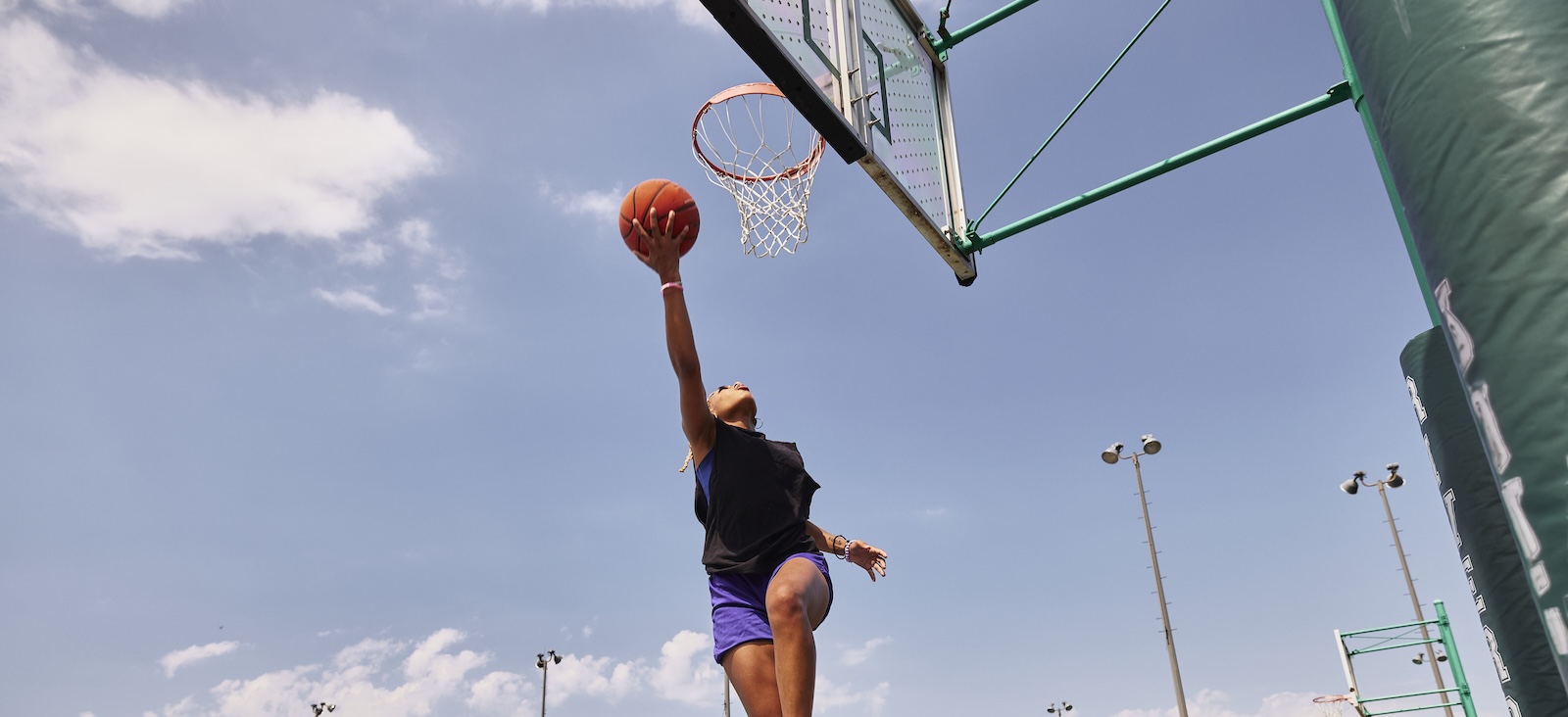
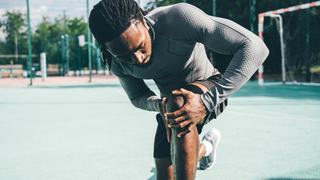
Anterior cruciate ligament (ACL) injuries are common in athletes of all ages. But without treatment, ACL injuries can limit movement and cause pain, preventing people from fully participating in their favorite activities.
At UT Southwestern Medical Center, our orthopaedic specialists provide comprehensive care for ACL injuries that impact function and mobility. Treatment plans are tailored to each patient, starting with nonsurgical therapies when possible and progressing to surgical options only when necessary. Our goal is to get patients back to the activities they love – safely and at the same level that they participated in before their injury.

What Is an ACL Injury?
The anterior cruciate ligament (ACL) connects the thigh bone (femur) to the shin bone (tibia). It helps control knee stability, especially during pivoting, cutting, and sudden stops. An ACL injury occurs when this ligament is overstretched or torn.
Unlike many other ligaments, the ACL lies completely within the knee joint, which makes natural healing more difficult after a tear. ACL injuries are common in sports such as basketball, soccer, and football.
What Are the Types of ACL Injuries?
ACL injuries vary in severity. They are commonly described based on how much damage there is to the ligament:
- Grade 1 (mild sprain): The ligament is stretched but still helps stabilize the knee.
- Grade 2 (partial tear): The ligament is loosened and partially torn, leading to some instability.
- Grade 3 (complete tear): The ligament is fully torn, often causing the knee to feel unstable.
Why Choose UT Southwestern for ACL Injury Care?
UT Southwestern orthopaedic and sports medicine doctors evaluate and use a coordinated approach that supports patients from diagnosis through recovery. We typically start with nonsurgical treatments, opting for surgery only when conservative approaches can’t achieve a patient’s activity goals.
When knee surgery is needed, we offer the latest in minimally invasive arthroscopic approaches to help provide patients with the best results. We perform a high number of knee ACL procedures, and studies show that medical centers that do a high volume of ACL reconstructions have better outcomes for patients. After surgery and recovery, the ACL is often stronger than it was before the injury.
We also provide nonopioid pain relief to keep patients comfortable while lowering the risk of opioid-related side effects.
Our patients also benefit from:
- A major referral center for knee injury rehabilitation, caring for patients from across the region who require coordinated, high-level recovery support
- A fully integrated sports medicine team, including orthopaedic surgeons, nonsurgical specialists, physical therapists, and athletic trainers who work together throughout the patient’s recovery
- Rehabilitation that begins early and progresses intentionally, with close guidance to restore strength, stability, range of motion, and confidence in movement
- Access to an academic medical center recognized for orthopaedic care, where advanced techniques, team-based care, and clinical research shape treatment decisions
What Are the Symptoms of an ACL Injury?
Symptoms may begin suddenly at the time of injury or worsen over the next several hours. Common signs include:
- A popping sensation or sound at the time of injury
- Knee pain, especially with movement or weight bearing
- Swelling that develops within hours
- A limited range of motion
- A feeling that the knee is unstable or “giving way”

What Causes an ACL Injury?
ACL injuries most often occur during activities that involve sudden changes in direction or impact to the knee. Common causes include:
- Pivoting or cutting movements during sports
- Sudden stops or changes in speed
- Landing awkwardly from a jump
- Direct contact or a collision, such as a blow to the knee
- Twisting injuries when the foot is planted
How Is an ACL Injury Diagnosed?
Every ACL injury is different, and properly diagnosing the injury is critical to determining the best treatment. Our specialists begin with a review of symptoms and a physical exam to assess knee stability and movement. If an ACL injury is suspected, we may recommend additional tests, such as:
- X-rays to rule out bone injuries
- Magnetic resonance imaging (MRI) to confirm ligament damage and evaluate surrounding structures
How Is an ACL Injury Treated?
Our experienced team develops an individualized treatment plan based on the severity of the ACL injury, knee stability, the patient’s activity level, and damage to other structures within the knee. We start with nonsurgical approaches and suggest surgery only when necessary to achieve a patient’s goals.
Nonsurgical Treatments

For ACL injuries that can be managed without surgery, treatment options include:
- Activity modification, such as avoiding movements that place stress on the knee, including pivoting, sudden stops, or high-impact activities
- Physical therapy to improve strength and stability
- Bracing to support the knee during movement
- Pain-relief or anti-inflammatory medications
Surgical Treatments
We may recommend surgery when an ACL injury causes ongoing knee instability or limits function.
ACL reconstruction is the most common surgical treatment for these injuries. During this procedure, the torn ligament is replaced with healthy tissue to restore knee stability.
Our team carefully chooses the type of tendon used in the repair. Younger patients may benefit from a patellar tendon graft, which is stronger and more stable. Older patients may prefer a quadriceps tendon graft, which allows them to return to activities more quickly.
Our surgeons typically perform reconstruction using minimally invasive arthroscopic techniques, which allow us to work through small incisions using a camera and specialized instruments.
After surgery, recovery involves a structured rehabilitation program focused on restoring motion, strength, and stability. Physical therapy plays a central role. Patients are usually walking without pain within four to six weeks and can return to sports or high-impact activities gradually over six to nine months, based on their progress in healing and recovery of knee functionality.
For certain patients, UT Southwestern offers bridge-enhanced ACL repair (BEAR), an advanced technique that helps the two ends of the torn ligament grow back together. When suitable, BEAR may allow surgeons to preserve the patient’s original ligament while supporting the healing process.
What Support Services for ACL Injuries Does UT Southwestern Offer?
Patients have access to coordinated services that support recovery and long-term knee health, including:
- Physical therapy and rehabilitation programs
- Sports medicine expertise
- Education focused on a safe return to activity and injury prevention
These services are designed to support recovery, restore function, and help patients return to activity with confidence.
What Clinical Trials Are Available for ACL Injuries?
UT Southwestern participates in clinical research aimed at improving treatment and recovery for knee injuries. Clinical trials may be available for eligible patients, depending on their diagnosis and treatment plan.
Ask our doctors about current studies or search for clinical trials.
Related Conditions and Treatments

UT Southwestern’s patient care app – UTSWMyCare – helps you easily manage your health and stay connected to UTSW and your doctor, all in a secure and safe environment.

Explore our Patient Resource Guide for an overview of the amenities, services, and clinics at UT Southwestern.
MedBlog

Results: 3 Locations
Orthopaedic Surgery Clinic
at William T. Solomon Outpatient Building 1801 Inwood Road, 1st FloorDallas, Texas 75235 214-645-3300 Directions to Orthopaedic Surgery Clinic at William T. Solomon Outpatient Building, Dallas Parking Info for Orthopaedic Surgery Clinic
Orthopaedic and Sports Medicine Programs
at UT Southwestern Medical Center at Richardson/Plano 3030 Waterview Parkway, 1st FloorRichardson, Texas 75080 972-669-7179 Directions to Orthopaedic and Sports Medicine Programs at UT Southwestern Medical Center at Richardson/Plano, Richardson
Orthopaedic, Sports Medicine, and Rehabilitation Programs
at UT Southwestern Medical Center at Las Colinas 6121 N. State Highway 161, 3rd Floor, Suite 300Irving, Texas 75038 469-647-4704 Directions to Orthopaedic, Sports Medicine, and Rehabilitation Programs at UT Southwestern Medical Center at Las Colinas, Irving