

Find a Clinical Trial
Search for opportunities to participate in a digestive systems and liver disease research study.
New Patient Appointment or 214-645-8300
UT Southwestern Medical Center offers the most advanced diagnostic and treatment options for all types of liver disease, whether acute or chronic, and liver tumors. By preventing or delaying additional liver damage and related complications through innovative therapies, our liver disease specialists can markedly improve patients’ health and quality of life.
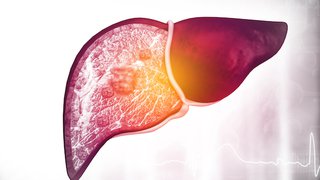
Most liver diseases are chronic, meaning that they can cause injury to the liver over years without the person knowing it, leading to scarring (fibrosis). When the scarring is extensive, the condition is called cirrhosis. Liver cirrhosis can lead to the organ losing its ability to function, or it can cause primary liver cancer to develop.
Acute liver disease is typically related to a recent liver injury. The most common type of injury is from medications and known as drug-induced liver injury. Every medication (prescription or nonprescription) has the potential of causing injury to the liver. Infections, clots in the liver’s blood vessels, and some forms of chronic liver disease are rare causes of acute liver disease.
UT Southwestern is dedicated to treating, curing, and restoring a sense of health for all who deal with liver disease. Our main goal is to treat liver disease in order to prevent future complications. However, if a patient does have complications, we can facilitate a liver transplantation.
Liver diseases we treat at UT Southwestern include:
Children and adolescents with liver conditions need specialty care that’s focused on their particular problems. UT Southwestern Pediatric Group’s Gastroenterology, Hepatology, and Nutrition Program offers the only Pediatric Liver Center in North Texas with experts in liver diseases that are unique to children and adolescents. We provide state-of-the-art expertise and technology to diagnose and treat pediatric liver diseases such as biliary atresia, metabolic liver disease, and genetic associated liver disorders.
The Center is the site for several clinical trials that can offer patients access to new therapeutics for biliary atresia, progressive familial intrahepatic cholestasis, and viral hepatitis. We work closely with UTSW’s Pediatric Liver Transplant Center, one of the highest ranked transplant programs in Texas.
Learn more about our Pediatric Gastroenterology, Hepatology, and Nutrition Program.
UT Southwestern specialists provide the latest therapies, including immunosuppressant medications and advanced procedures, to treat liver diseases. Our integrated, multidisciplinary team of experts works together to provide an unparalleled level of seamless, patient-focused care.
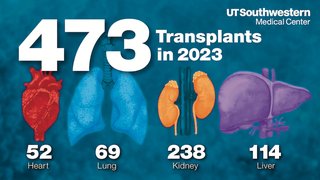
When necessary, our experienced Liver Transplant team uses state-of-the-art techniques and technologies to help patients with end-stage liver failure. Our program has a three-year patient survival rate that surpasses the national average.
UT Southwestern is at the forefront of liver disease treatment and research. Our faculty has a long history of advancements in the field, translating groundbreaking scientific insights into superior patient care. Our team includes:
UT Southwestern has been part of more than 40 clinical trials in the past 20 years and been instrumental in major national research networks in hepatitis B and C, drug-induced liver injury, and acute liver failure. We are also part of the Acute Liver Failure Study Group, which is a clinical research network funded by the NIH that works collaboratively to gather important prospective data and biosamples.
Learn more about current studies.
Search for opportunities to participate in a digestive systems and liver disease research study.
We’re one of the world’s top academic medical centers, with a unique legacy of innovation in patient care and scientific discovery.