

The specialized spine doctors at UT Southwestern Spine Center are dedicated to helping patients overcome spine problems, providing comprehensive care and access to the latest and most effective treatments.
Scoliosis and Spinal Deformities
New Patient Appointment or 214-645-2225
At UT Southwestern’s Spine Center, our expert team of doctors specializes in proven therapies to treat scoliosis and other spinal deformities. We offer patients with spinal deformities and scoliosis the most advanced diagnostic and treatment technologies and techniques, including specialized spine imaging.
Our collaborative approach gives patients with various types of spinal deformities access to neurosurgeons, orthopedic surgeons, pain management specialists, and physiatrists with one call. We strive to coordinate, facilitate, and expedite patient care, saving our patients’ time.
What Are Spinal Deformities?
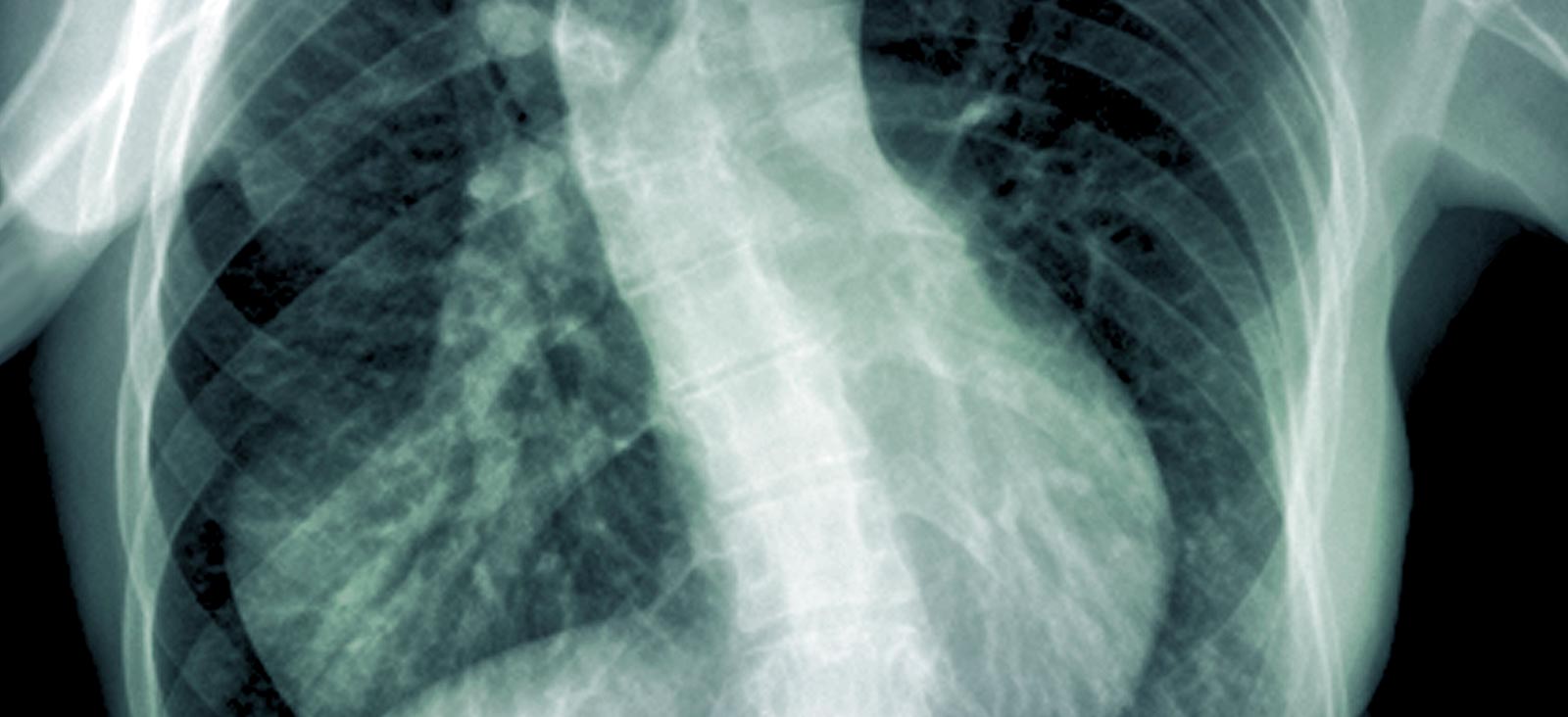
Spinal deformities range from mild to severe and can be caused by many conditions, such as scoliosis and kyphosis – abnormal curvatures of the spine. Deformities of the spine also can result from spinal fractures and conditions such as spondylolisthesis and ankylosing spondylitis.
What Are Types of Spinal Deformities?
Common spinal deformities include:
- Scoliosis, an abnormal, side-to-side curvature of the spine, often in the shape of an S or a C. This type of spinal deformity might develop in adults as a result of degenerative arthritis or as a continuation of pediatric or adolescent scoliosis.
- Kyphosis, a front-to-back curvature of the spine that can lead to a hunchback or slouching posture. While forward curvature is normal in the rib cage (thoracic) area, it can become a problem in severe cases.
- Lordosis, a lower back deformity in which the back curves in instead of out.
Why Choose UT Southwestern for Scoliosis and Spinal Deformity Care?

Every spinal deformity patient at UT Southwestern receives a custom treatment plan. Some deformities can be corrected with physical therapy and bracing, while others require surgery.
Our physicians are leaders in spinal deformity treatment and research and have published hundreds of articles about their work. We offer the latest techniques to help correct scoliosis and other spinal deformities. We begin with a 3D-printed replica of a patient’s spine to visualize treatment. When surgery is needed, we use software and real-time scans to help us precisely place screws and customized rods.
We are also one of the few medical centers with a neurospine intensive care unit, and our innovative Enhanced Recovery After Surgery (ERAS) program helps patients recover more quickly after surgery.
What Are the Causes of Scoliosis and Spinal Deformities?
Scoliosis and other spinal deformities can develop for many different reasons.
- Idiopathic scoliosis – no specific cause – is the most common type. This form often appears in children and adolescents during growth spurts.
- Congenital scoliosis occurs when the spine doesn’t form normally before birth.
- Neuromuscular scoliosis results from conditions that affect the muscles or nerves, such as cerebral palsy, muscular dystrophy, or spina bifida. Weakness or imbalance in the muscles that support the spine allows it to curve over time.
- Degenerative scoliosis develops in adults as the spine ages. The discs and joints of the spine naturally wear down, sometimes unevenly, which can cause the spine to tilt or rotate.
Other causes of spinal deformities include injury, infection, tumors, and connective-tissue disorders such as Marfan syndrome.
What Are the Symptoms of Scoliosis and Spinal Deformities?
Signs of scoliosis and spinal deformities include:
- Uneven shoulders
- Uneven hips
- Visible curve of the back
- Hunched back
Many patients don’t experience any symptoms from spinal deformity. When they do, symptoms include:
- Chronic neck or back pain
- Stiffness
- Difficulty breathing
- Difficulty walking
How Do Scoliosis and Spinal Deformities Affect Overall Health?
Spinal conditions can result in more than just back pain. While most people with scoliosis live active, healthy lives, untreated or worsening curves can cause chronic pain or physical limitations. Ongoing care helps maintain strength, flexibility, and overall well-being.
Impacts can include:
- Muscle and joint strain: An uneven spine changes how the body carries weight. This imbalance can lead to muscle fatigue, joint pain, and stiffness in the back, shoulders, and hips – and can contribute to arthritis or chronic back pain.
- Breathing and heart function: In severe cases, a significant spinal curve can reduce space in the chest, making it harder for the lungs to expand fully, resulting in shortness of breath, and, in rare instances, reduced heart function.
- Balance and coordination: Changes in posture and alignment can alter how patients walk or move, sometimes increasing the risk of falls or injury.
- Emotional well-being: Living with scoliosis can affect a person’s confidence, especially when posture changes are visible. Some people may experience anxiety or self-consciousness about their appearance.
What Should Patients Avoid with Scoliosis and Spinal Deformities?
Certain activities can make spinal deformities worse. People with scoliosis should avoid:
- Carrying heavy or uneven weight
- High-impact sports
- Activities with a lot of twisting and bending
- Slouching or sitting for a long time
What Is a Scoliosis Flare-Up?
People with scoliosis sometimes experience a scoliosis flare-up, in which their symptoms worsen. These flare-ups can vary from mild discomfort to significant pain and stiffness.
Flare-ups can be triggered by:
- Overuse
- Poor posture
- Prolonged sitting or standing
- Physical or emotional stress
Hormonal changes and rapid growth spurts may also worsen symptoms in children and teens.
How Are Scoliosis and Spinal Deformities Diagnosed?
If we suspect a type of spinal deformity, we’ll conduct a physical examination and order spine imaging studies. Tests, procedures, and studies used to evaluate and diagnose spinal deformities might include:
- Bone scans
- Computed tomography (CT) scan
- Magnetic resonance imaging (MRI)
- Myelography
- Nerve conduction studies to measure electrical activity generated by muscles and nerves
- X-rays
What Is a Scoliosis Screening?
When identified early, scoliosis and spinal deformities can be managed more effectively. Screening helps identify spinal curves before they become severe, allowing for timely treatment and better outcomes.
Scoliosis screenings usually occur at pediatric annual wellness visits or at school checkups. They usually start when children start to experience rapid growth (ages 10 to 14).
During a screening, a provider does a visual exam, looking for uneven shoulders, tilted waist, or one side of the ribs being higher than the other. The child may be asked to bend forward so the provider can see how their spine is aligned.
How Are Scoliosis and Spinal Deformities Treated?
After diagnosis, we make sure patients see the right spinal specialists to treat their specific symptoms and type of spinal deformity.
The treatment for spinal deformities depends upon their cause and severity. Many people with idiopathic scoliosis don’t require treatment – just regular monitoring.
When treatment is needed, it can include:
- Anti-inflammation drugs
- Biofeedback
- Cortisone injections
- Physical therapy
- Surgery
We’ll create a care plan that minimizes the number of visits a patient needs, while also providing all the necessary support.
What Clinical Trials Are Available for Scoliosis and Spinal Deformities?
UT Southwestern conducts clinical trials aimed at improving the diagnosis and treatment of spinal deformities. Talk with our doctors to see if a clinical trial is available.
Providers
Our spine specialists are dedicated to providing every patient with the highest level of care.
-
![Salah Aoun, M.D.]()
Salah Aoun, M.D.
- Spine Center
- Peter O'Donnell Jr. Brain Institute
- Neurological Surgery
- Complex and Minimally Invasive Spine Surgery
- Degenerative Spine Disease
-
![Gabriella Williams, M.D.]()
Gabriella Williams, M.D.
- Spine Center
- Neurological Surgery
- Complex and Minimally Invasive Spine Surgery
- Spine Deformities and Degenerative Spine Disorders



Find a Clinical Trial
Search for opportunities to participate in a muscle or bone research study.
Award-Winning Care
We’re one of the world’s top academic medical centers, with a unique legacy of innovation in patient care and scientific discovery.

MedBlog

Results: 3 Locations
James W. Aston Ambulatory Care Center
5303 Harry Hines Blvd.Dallas, Texas 75390 214-645-8300 Directions to James W. Aston Ambulatory Care Center, Dallas Parking Info for James W. Aston Ambulatory Care Center
Spine Center
at UT Southwestern Medical Center at Las Colinas 6121 N. State Highway 161, 3rd Floor, Suite 300Irving, Texas 75038 214-645-2225 Directions to Spine Center at UT Southwestern Medical Center at Las Colinas, Irving
Spine Center
at UT Southwestern Frisco 12500 Dallas Parkway, 3rd FloorFrisco, Texas 75033 469-604-9140 Directions to Spine Center at UT Southwestern Frisco, Frisco Parking Info for Spine Center