Are you ruining your knees? The truth about sports injuries and arthritis
October 5, 2026

Have you ever been told that playing sports will ruin your knees, making you more susceptible to arthritis as you age? There are so many ways to injure your knees during exercise that it’s understandable to worry about long-term joint health.
The knee is the body’s largest joint, and it is designed to withstand significant daily stress from walking, running, and jumping. With proper maintenance and training, athletes of all levels can reduce their risk of knee injury and subsequent arthritis.
Playing sports generally offers benefits, from improved self-confidence to camaraderie to better overall health, that far outweigh the risks of potential sports-related injuries. That said, some knee injuries – such as anterior cruciate ligament (ACL) and meniscus tears – can increase your risk of developing osteoarthritis.
The good news is there are ways to reduce your chances of developing sports-related arthritis in your knees. The key is to take a long-term, proactive approach to supporting joint health.
How can I protect my knees while playing sports?
As an athlete, taking care of your knees starts with a well-rounded approach to training. You’ll need a combination of techniques to keep your joints strong and supported, especially if you previously had an injury that required surgery.
Before starting a new workout, check with a doctor about whether the routine is safe for your age, physical development, and health goals.

Strength training
Hitting the weight room is a great foundation for building strong knees. Talk with a sports medicine doctor or physical therapist about specific techniques that mimic your movements during competition. Gradually increase the intensity and volume of your workouts to help reduce the risk of injuries in the gym.
Here are a few moves to help you build lean muscle to support your knees:
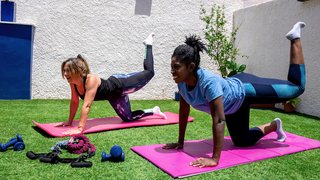
- Core muscles: The core muscles wrap around the front and back of your abdomen, providing balance and stabilized movement. Planks, hip raises, and mountain climber exercises contribute to a strong core.
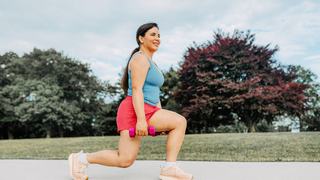
- Glutes: Your glutes are the strong muscles in your rear end that help you stand, sit, walk, and keep your balance. Squats, one-legged deadlifts, and lunges are examples of exercises that help build strong glutes.
- Quadriceps: This set of sturdy front thigh muscles supports daily leg movements, such as walking and climbing stairs. Keep them strong with exercises such as wall sits (remember this from gym class?), leg lifts, and leg extensions.
- Hamstrings: This trifecta of muscles powers your ability to walk, run, and jump as well as bend your knees. Strength exercises such as bridge extensions and hamstring curls help keep the hamstrings strong and stable.
Movement mechanics
Training programs that emphasize balance, landing mechanics, cutting techniques, and body control have been proven to reduce the risk of injuries such as ACL tears. Following a sports-specific exercise plan helps maintain your flexibility and mobility while building strength around the knees.
For example, if you play basketball, making quick pivots, pushing off to a sprint from a standstill, and landing unevenly are common movements that pose risks to the knee joint. Focus on exercises that increase joint stability and surrounding strength, such as:
- Skater jumps
- Jump squats
- Soft landings
- Calf raises
Mix up your workouts
Runners, tennis players, and baseball/softball players may shudder to hear this, but cross training is important for joint health. Repetitive movements like pounding pavement or swinging a racket or bat can add extra wear and tear on the joints.
In evaluating sports injuries among student-athletes, research shows that those who specialize in a single sport year-round have a higher injury rate. Consider taking a break from your primary sport between seasons and trying something new. Playing different sports can give your joints time to repair and may be helpful in reducing the risk of athletic injuries.
Related: Read "High school athletes' most common injuries – and how to avoid them"
Will I get arthritis someday because of my knee injury?

This is one of the most common questions we field in sports medicine, and it’s a good one. There are plenty of ways to injure your knee in sports, from strains and sprains to tears and bone breaks (fractures).
Participating in sports generally is not associated with an increased risk of osteoarthritis, though specific injuries may contribute to your chances of developing arthritis in the knees. Some of these include:
- ACL tears or other major ligament injuries
- Meniscus tears
- Articular cartilage defects
- Fractures that involve the joint line
This can be caused by a cascade of factors, such as the initial trauma, inflammation during the healing process, irregular patterns of scar tissue, and changes in joint stability and movement after recovery.
If the injury required surgery, the primary goal is to restore normal joint mechanics to reduce the risk of reinjury. From there, we guide patients in strategies to potentially prevent the development of arthritis at the injury site later in life. Following the rehabilitation plan is key in both processes.
Related: Read "Pickleball injuries increasing along with sport's popularity"
When should I see a doctor for knee pain?
As we get older, we develop wear and tear in our knees and other joints. A little bit of aches and pains is normal, especially if you’re active. Mild arthritis causes occasional stiffness or dull aching in the joint that flares up with strenuous activity or long periods of sitting.
Symptoms that resolve within a few days to weeks usually can be managed at home with gentle exercises and over-the-counter pain relievers. But if symptoms persist, flares happen more often, or the pain interferes with your daily life, it’s time to call the doctor. Signs you might notice with progressing knee arthritis include:

- Instability in the joint
- Catching or locking sensation during movement
- Persistent mechanical symptoms, like the knee “won’t do what it’s told”
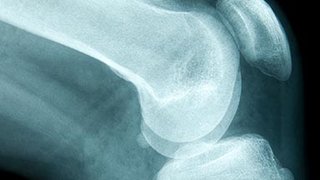
The doctor will likely recommend an X-ray or other types of imaging of the knee such as an ultrasound to help determine whether osteoarthritis is the cause. If it is, the doctor will recommend a treatment plan to reduce arthritis pain and help you stay active.
What are the treatment options for knee arthritis?
Arthritis treatment plans are tailored specifically to each patient based on their symptoms, age, and activity level. We typically recommend a conservative approach first, reserving surgery for patients whose arthritis pain persists despite previous treatment.
Lifestyle modification
Simple changes in your daily activities can have a significant impact on knee health. Here are a few basics we recommend for patients with knee osteoarthritis:
- Maintain a healthy weight: Losing one pound of weight takes about four pounds of pressure off the knee joints, relieving discomfort. Nutrition guidance and weight-wellness support are available to all patients at UT Southwestern.
- Wear the right shoes: Choosing stable, supportive, yet comfortable shoes helps you maintain good balance and a proper gait to relieve stress on the knees.
Medications and devices
Anti-inflammatory medications, shockwave therapy, and injections of gel, steroid medication, or stem cells can offer pain relief and improved mobility. Some patients also find relief from knee braces that unload the pressure on the joints.
Physical therapy
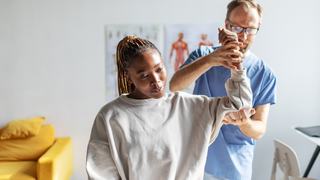
Physical therapy is one of the most important components of successful treatment. Participating in physical therapy can help improve your knee’s strength and the range of motion, reduce swelling, and optimize your movement patterns to relieve pain and pressure.
Before surgery, we recommend prehabilitation, which is a physical therapy approach to optimize the joint for the procedure and prepare you for recovery. Patients who enter surgery with better motion and strength often experience smoother recoveries.
Surgery
We usually consider surgery only when knee arthritis symptoms significantly affect the patient's life and stop them from doing daily activities or enjoying hobbies. We can perform minimally invasive surgery to repair injuries and clean up arthritic tissue. In some cases, a partial or total knee replacement is the best solution.
If you decide to get knee surgery, choose a surgeon with special training in treating your condition or injury. Ask questions about their approach and skills – a good surgeon enjoys answering questions and wants you to feel confident in their abilities.
Protecting your mobility for the long term
UT Southwestern orthopaedic and sports medicine surgeons have deep experience in treating joint-related conditions, including knee cartilage and meniscus injuries, hip preservation, and shoulder replacement. We combine our expertise to give every patient the best care, no matter which joint is the source of pain.
Early intervention after injury is key to preventing knee osteoarthritis. For instance, the meniscus of the knee supports the joint’s cartilage. If you have a meniscus tear, treating it early can prevent or delay the progression of arthritis. Once that disease process begins, however, getting a joint replacement may be more beneficial.
Arthritis prevention is ongoing, especially for athletes. If you have knee pain that gets worse with activity or persists despite conservative treatment, it is beneficial for you to see an orthopaedic surgeon or sports medicine doctor. We can help you create a plan to strengthen your knees, improve your quality of life, and reduce your chances of developing osteoarthritis in this important joint.
To talk with an expert about arthritis prevention after a sports injury, make an appointment by calling 214-645-3300 or request an appointment online.