

Find a Clinical Trial
Search for opportunities to participate in a muscle or bone research study.
New Patient Appointment or 214-645-8300
UT Southwestern Medical Center is recognized by U.S. News & World Report as one of the nation's top hospitals for orthopedic care.

Trauma and fractures can be caused by anything from auto accidents, falls, and sports mishaps to conditions that can weaken the bones, such as osteoporosis, cancer, Paget’s disease, and malunions and nonunions (previous fractures that didn’t heal properly).
UT Southwestern Medical Center’s experienced and highly specialized orthopaedic surgery team can help. Our board-certified orthopaedic surgeons are among the most experienced in North Texas, with expertise in diagnosing and treating patients with fractures of the upper and lower extremities.
There are countless ways that people can suffer broken bones (fractures) in their upper extremities (hand, wrist, forearm, elbow, upper arm, and shoulder) and lower extremities (hip, thigh, knee, lower leg, ankle, and foot).
UT Southwestern’s orthopaedic surgeons are experienced in treating all types of fractures. We have pioneered new techniques and technology to improve patient outcomes for these types of traumatic injuries, and we are dedicated to working closely with each patient to achieve the best possible results.
Symptoms of trauma or a fracture in the upper or lower extremities can include:
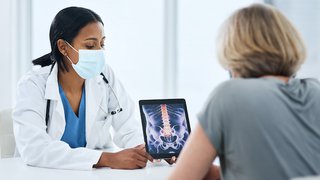
Fractures are typically diagnosed using X-rays. Depending on the severity and location of the break – and the extent of damage to surrounding tissue – other types of imaging might also be used to make a diagnosis. These include:
In most cases, UT Southwestern’s orthopaedic medicine specialists can successfully treat fractures of upper and lower extremities without surgery.
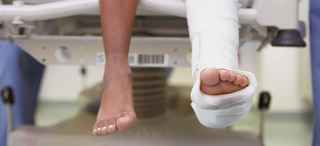
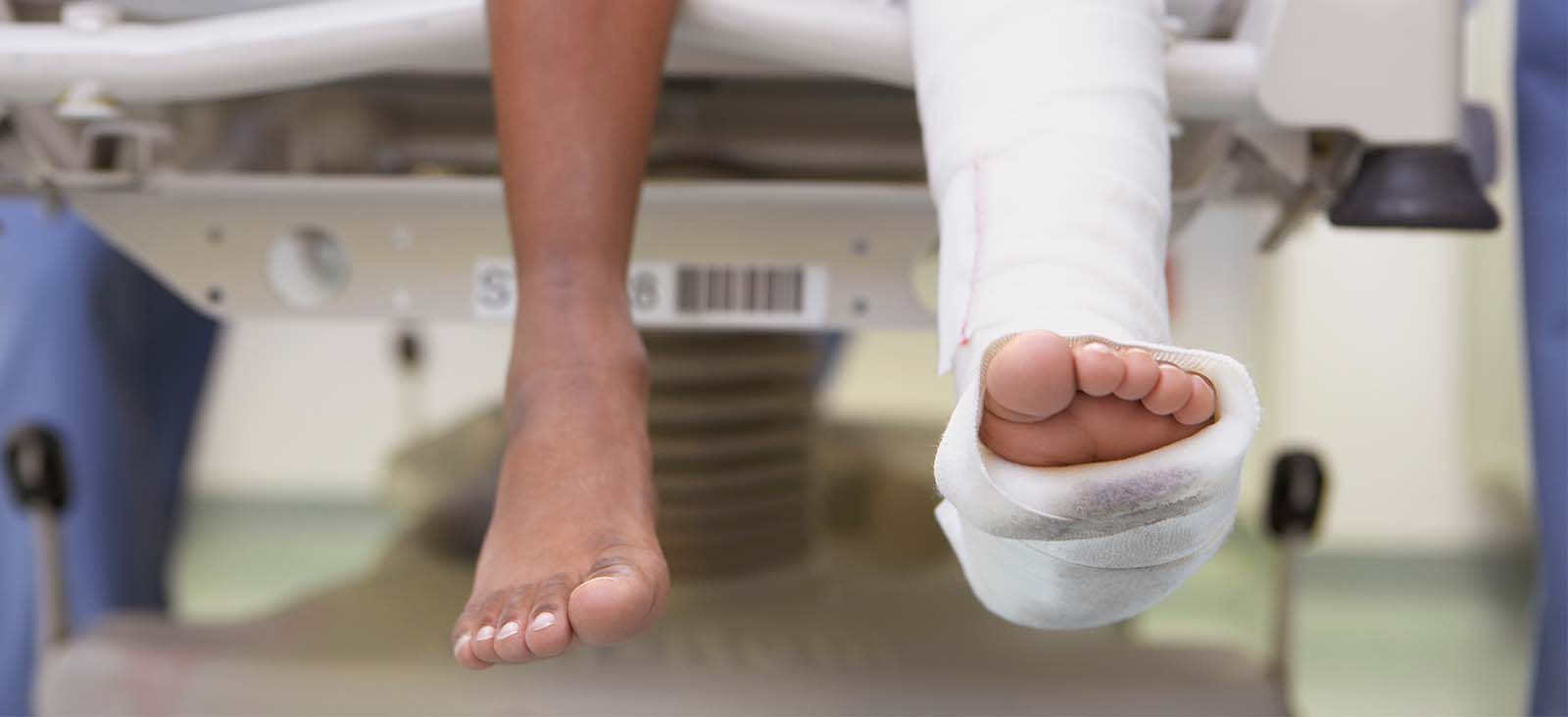
Nonsurgical treatments include immobilizing devices such as casts, splints, braces, and traction, as well as physical medicine and rehabilitation.
Surgery is sometimes necessary to properly treat breaks that are complicated, severe, or resistant to healing. Surgical treatments include fixating (keeping together) the broken parts of the bone using metal pins, screws, or plates.
UT Southwestern orthopaedic specialists work with patients to choose a personalized treatment likely to have the best long-term outcome.
Our orthopaedics team is involved in clinical trials that seek to find better ways to prevent, diagnose, and treat fractures of the upper and lower extremities.
Search for opportunities to participate in a muscle or bone research study.
We’re one of the world’s top academic medical centers, with a unique legacy of innovation in patient care and scientific discovery.