

Find a Clinical Trial
Search for opportunities to participate in a clinical research study.
New Patient Appointment or 214-645-8300
At UT Southwestern Medical Center, specialists in our Rheumatology Program take a multidisciplinary team approach to care for people with osteoarthritis. Working together, we provide personalized treatment to manage the condition as patients’ needs change in severity over time.
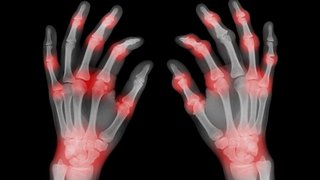
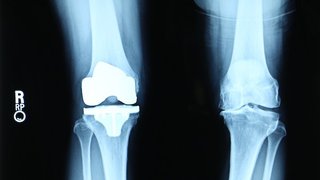
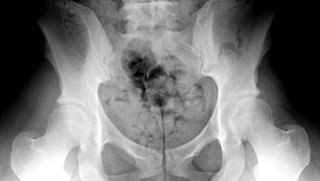
Osteoarthritis is the most common disorder affecting joints. It develops when cartilage –protective tissue on the ends of bones in joints – wears down over time. Osteoarthritis can cause pain and stiffness in any joint in the body but most often affects the hands, hips, knees, and spine.
Diagnosing osteoarthritis is often difficult because symptoms can be similar to those of other diseases. Our Rheumatology Program is widely recognized as one of the nation’s leading clinical and research centers for rheumatic diseases such as osteoarthritis, and our team can help diagnose and manage this disorder.
Osteoarthritis results from damage to the cartilage in joints. Certain risk factors can increase the risk of joint damage and osteoarthritis:
The symptoms of osteoarthritis tend to start slowly and become worse over time. Symptoms include:
Our rheumatologists (specialists in diseases that affect joints, bones, muscles, and the immune system) conduct a thorough evaluation, which includes a:
To confirm a diagnosis of osteoarthritis, our doctors might recommend one or more tests, such as:
Osteoarthritis typically worsens over time, and there is no cure. Treatment aims to relieve symptoms to help patients remain independent and active.
At UT Southwestern, our rheumatologists develop treatment plans tailored to each patient’s individual needs. Treatment options for osteoarthritis include:
Search for opportunities to participate in a clinical research study.
We’re one of the world’s top academic medical centers, with a unique legacy of innovation in patient care and scientific discovery.