
Combining attentive, compassionate care with our extensive clinical and research resources, UT Southwestern's cardiology experts and vascular specialists deliver individualized care within pre-eminent healthcare facilities.
Cardiac Testing
New Patient Appointment or 214-645-8000
UT Southwestern Medical Center offers state-of-the-art cardiac tests that help our heart experts evaluate patients’ cardiovascular health.
After experienced UTSW laboratory technicians perform the testing, our cardiologists interpret the results and use them to inform personalized patient care.

What Are the Two Main Types of Cardiac Testing?
At UT Southwestern, we offer two main cardiac tests for diagnosing heart conditions: a type of echocardiography and an exam called a cardiac stress test, which can be conducted in several ways.
The two most common types of cardiac tests are:
An echocardiogram, often called an "echo", is a cardiovascular imaging study that uses ultrasound to visualize the heart. It enables doctors to see the heart in two or three dimensions to evaluate its structure, function, blood flow, and output to look for abnormalities and defects.
The noninvasive TTE, also called a “heart ultrasound” or “heart sonogram,” is considered the standard.
What Conditions Are Diagnosed with an Echocardiogram?
An echocardiography study might be appropriate for patients diagnosed with or suspected of having conditions such as:
- Abnormal electrocardiogram (ECG or EKG) findings
- Problems with blood flow through the heart
- Dilated cardiomyopathy (DCM), restrictive cardiomyopathy (RCM), or hypertrophic cardiomyopathy (HCM)
- Congenital heart conditions such as:
- Atrial septal defect (ASD)
- Patent ductus arteriosus (PDA)
- Tetralogy of Fallot (TOF)
- Ventricular septal defect (VSD)
- Congestive heart failure
- Abnormal ejection fraction
- Endocarditis, an inflammation of the inner layer of the heart
- Heart murmur, which can indicate aortic stenosis, aortic regurgitation, mitral stenosis, or mitral regurgitation
- Structural abnormalities
What Should a Patient Expect During an Echocardiogram?
An echocardiography technician places an external probe, called an echocardiographic transducer, on the patient’s chest wall. The technician takes images by moving the transducer around to view the heart from different angles on a video monitor. An enhancing agent or dye is sometimes administered through an IV to help the heart’s structures show up more clearly on the images. The resulting 3D images provide valuable details about the lower left heart chamber, which is the heart’s main pumping area.

What Is Cardiac Stress Testing?
In addition to echocardiograms, UT Southwestern also offers cardiac stress testing.
Conducted under the supervision of skilled cardiologists and healthcare professionals, these tests are instrumental in assessing the heart’s function and diagnosing various cardiac conditions. Patients are closely monitored to evaluate their heart’s response to physical exertion or pharmacological stimulation.
These noninvasive procedures help determine the presence of coronary artery disease, heart rhythm abnormalities, and overall heart health. They include:
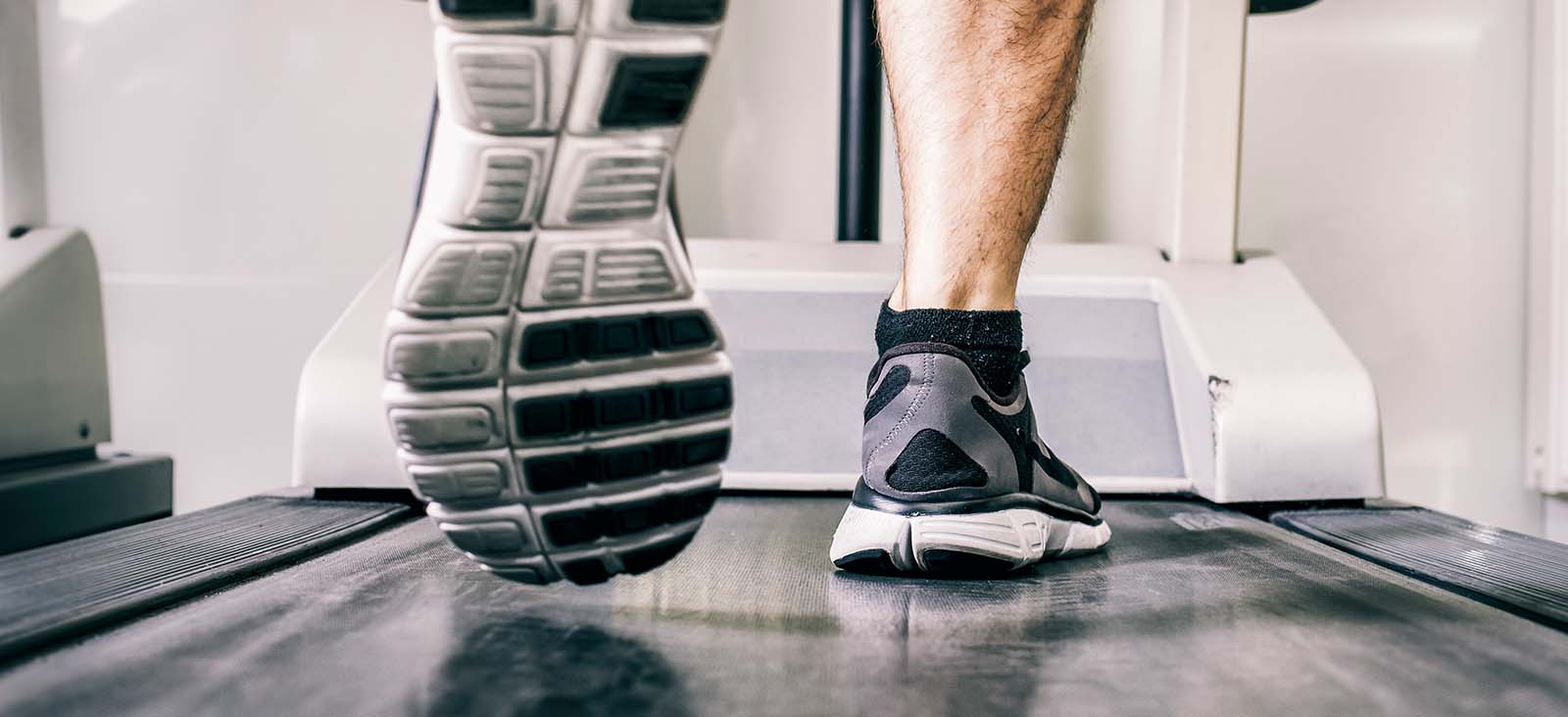
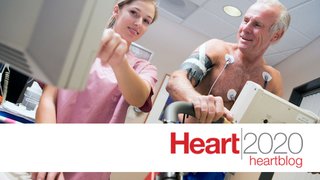
- Exercise treadmill test (ETT): Known as the standard cardiac stress test, this is a common diagnostic procedure used to evaluate the heart’s response to physical exertion. During an ETT, the patient walks on a treadmill while medical professionals monitor their heart rate, blood pressure, and electrocardiogram (ECG). The test gradually increases in intensity to stress the heart, helping identify abnormalities in heart rate, rhythm, and blood flow that might not be present at rest.
- Stress echocardiograms: This test can be conducted in three ways – the treadmill stress echo, the bicycle stress echo, or the dobutamine stress echo. The first two are performed immediately before and after the patient exercises in our medical office, either on a treadmill or bicycle. The results can help to diagnose cardiac disease early on, or to assess the progress of patients with known heart disease. If a patient cannot exercise, clinicians can administer dobutamine to make the heart work harder in place of physical exertion.
What Support Services Are Available for Cardiac Testing?
UT Southwestern’s cardiac rehabilitation specialists create customized plans that integrate proper nutrition, exercise, and, if necessary, nicotine cessation into patients’ lifestyles to improve their cardiovascular health.
What Clinical Trials Are Available for Cardiac Testing?
As one of the nation’s top academic medical centers, UT Southwestern offers clinical trials aimed at improving the outcomes for patients with cardiovascular disease.
These trials often give patients access to leading-edge treatments that are not yet widely available. Eligible patients who choose to participate in a UT Southwestern clinical trial might receive treatments years before they are available to the general public.

Search for opportunities to participate in a heart or vascular research study.
We’re one of the world’s top academic medical centers, with a unique legacy of innovation in patient care and scientific discovery.

MedBlog



Results: 5 Locations
Cardiology
at UT Southwestern Medical Center at Park Cities 8611 Hillcrest Road, 2nd FloorDallas, Texas 75225 214-692-3135 Directions to Cardiology at UT Southwestern Medical Center at Park Cities, Dallas Parking Info for Cardiology
Cardiology
at UT Southwestern Medical Center at RedBird 3450 W. Camp Wisdom RoadDallas, Texas 75237 (214) 214-5810 Directions to Cardiology at UT Southwestern Medical Center at RedBird, Dallas Parking Info for Cardiology
Cardiology
at UT Southwestern Monty and Tex Moncrief Medical Center at Fort Worth 600 South Main Street, 2nd Floor, Suite 2.200Fort Worth, Texas 76104 817-882-2670 Directions to Cardiology at UT Southwestern Monty and Tex Moncrief Medical Center at Fort Worth, Fort Worth Parking Info for Cardiology
Cardiology
at UT Southwestern Medical Center at Coppell 2999 Olympus Blvd., 3rd FloorCoppell, Texas 75019 469-647-4445 Directions to Cardiology at UT Southwestern Medical Center at Coppell, Coppell Parking Info for Cardiology
Clinical Heart and Vascular Center
at West Campus Building 3 2001 Inwood Road, 5th FloorDallas, Texas 75235 214-645-8000 Directions to Clinical Heart and Vascular Center at West Campus Building 3, Dallas Parking Info for Clinical Heart and Vascular Center