
We’re one of the world’s top academic medical centers, with a unique legacy of innovation in patient care and scientific discovery.
Rotator Cuff Tear and Injury
New Patient Appointment or 214-645-8300

Nationally Ranked in Orthopaedics – #1 in DFW
UT Southwestern Medical Center is ranked the No. 1 hospital for orthopaedic care in Dallas-Fort Worth and among the best nationally by U.S. News & World Report.

Rotator cuff injuries can cause shoulder pain and limit movement in people of all ages and activity levels.
Orthopaedic and sports medicine specialists at UT Southwestern Medical Center offer an outstanding level of care to evaluate and treat rotator cuff injuries, including rotator cuff tears. Our leading-edge nonsurgical and surgical care restores shoulder strength and mobility, helping patients enjoy their best health.

What Is a Rotator Cuff Injury?
The rotator cuff keeps the upper arm bone in the shoulder socket. It includes a group of muscles that come together as tendons that hold the bones of the shoulder joint together. When tendons are irritated, inflamed, or torn, patients experience pain and have problems moving their arms.
Rotator cuff problems can happen suddenly – such as when falling, lifting heavy items, or making a quick pass during a basketball game – or gradually over time from wear and tear. Problems range from mild tendon inflammation to complete tendon tears.
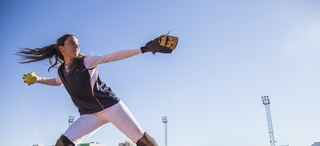
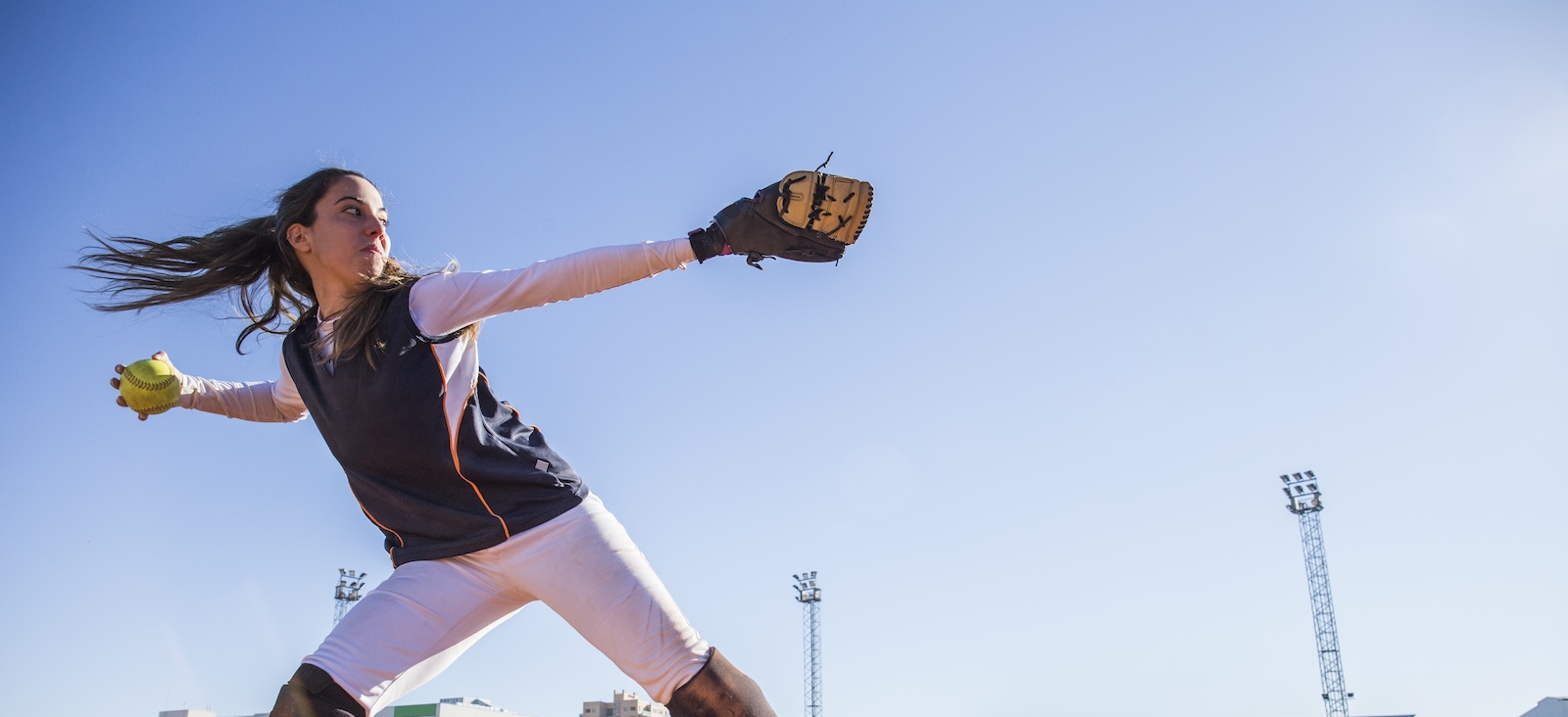
Active adults – as well as high school, college, and other elite athletes – participating in overhead sports such as baseball, softball, tennis, and swimming can experience rotator cuff injuries. UT Southwestern’s orthopaedics and sports medicine specialists evaluate and treat rotator cuff injuries in patients of all ages.
What Are the Types of Rotator Cuff Injuries?
Common rotator cuff injuries include:
- Torn rotator cuff: A partial or complete tear of a tendon, often of the supraspinatus muscle at the top of the shoulder
- Tendinitis: Inflammation of the rotator cuff tendons, frequently caused by repetitive overhead activity
- Bursitis: Swelling of the bursa sac between the rotator cuff and shoulder bones, caused by the bones and muscles rubbing against the sac repeatedly
Why Choose UT Southwestern to Treat a Rotator Cuff Injury?
We’re skilled in evaluating and treating rotator cuff injuries and have extensive experience with all types of shoulder injuries.
- We offer the most advanced technologies and techniques, such as high-resolution MRI and ultrasound, to precisely assess tendon damage.
- Our surgeons perform minimally invasive arthroscopic repairs as well as complex reconstructions and tendon transfers when needed.
- Our rehabilitation specialists design personalized therapy programs to restore shoulder strength and prevent injury.
- Our orthopaedic surgeons are trusted by athletes throughout North Texas. Our experience working with professional athletes helps us better treat all levels of active patients, whether they’re varsity and collegiate athletes, highly competitive amateurs, or patients who have injured themselves doing day-to-day activities.
What Are the Symptoms of a Rotator Cuff Injury?
People with a rotator cuff injury may notice:
- A dull ache or pain deep in the shoulder
- Pain that worsens when lifting or lowering the arm
- Weakness in the affected arm
- Limited range of motion or stiffness
- Night pain that interferes with sleep, especially when lying on the affected side
- Clicking or popping sensations when moving the arm
What Causes a Rotator Cuff Injury?
Rotator cuff injuries can result from:
- Repetitive overhead motion, such as throwing, painting, or lifting
- Trauma, including falls or heavy lifting
- Age-related wear and tear that weakens tendon fibers
- Poor posture or muscle imbalance that alters shoulder mechanics
- Bone spurs that rub against the tendon and cause irritation
How Are Rotator Cuff Injuries Diagnosed?
Our shoulder specialists begin with a thorough physical examination and discussion of the symptoms and activity level. Diagnostic tools may include:
- Imaging studies such as X-rays, MRI, or ultrasound to evaluate bone structure, tendon integrity, and inflammation
- Strength and range-of-motion tests to identify muscle weakness or instability
- Diagnostic injections that can help confirm whether pain originates from the rotator cuff or another part of the shoulder
How Are Rotator Cuff Injuries Treated?
Rotator cuff injury treatment depends on the type and severity of the problem as well as the patient’s activity level and goals. We work with each patient to determine the right treatment plan for them.
Nonsurgical Treatments
- Rest, including avoiding activities that cause pain
- Nonsteroidal anti-inflammatory drugs (NSAIDs), such as ibuprofen or naproxen, to relieve swelling and pain
- Physical therapy, including exercises to improve strength, flexibility, and range of motion in the shoulder
- Steroid injections, such as cortisone, to reduce pain and swelling
Surgical Treatments
For rotator cuff injuries that do not improve with conservative treatment, we perform rotator cuff surgery to repair the torn tendon and reattach it to the arm bone.
Our surgical options include:
- Arthroscopic surgery: In this minimally invasive procedure, our orthopaedic surgeons make a few small incisions in the shoulder joint. We insert a miniature camera and instruments through the incisions to repair the torn tendon. This approach helps many patients find relief and usually results in a faster recovery.
- Open surgery: In some cases, such as a large tear, our surgeons perform open surgery with one long incision to access the shoulder joint for repair.
- Tendon transfer: We can replace heavily damaged tendons with another tendon taken from a nearby area.
- Shoulder replacement: For severe rotator cuff injuries, our orthopaedic surgeons are experts in shoulder replacement surgery. We offer reconstructive surgery, total shoulder replacement, and reverse shoulder replacement.
After rotator cuff surgery, we recommend that our patients go to rehabilitation to improve their strength and function. Learn more about our physical medicine and rehabilitation programs.
Most patients can return to their favorite activities after treatment, especially those whose injuries respond to conservative care and those who receive minimally invasive arthroscopic surgery.
Rotator Cuff Revisions
Patients with medium to large tears may need revision surgery at some point if they retear the tendon. To help prevent further tears, we often recommend biologic injections (regenerative injections) after surgery to increase tendon thickness and speed recovery.
We offer the injection before, during, or after the surgery. We also specialize in the biologic augmentation of rotator cuff repairs with biologic patches, which have been shown to decrease retears.
What Support Services for Rotator Cuff Injuries Does UT Southwestern Offer?

Patients have access to a wide range of support services, including:
- Physical therapy and rehabilitation programs
- Pain management services
- Education to support recovery and long-term joint health
What Clinical Trials Are Available for Rotator Cuff Injuries?
As an academic medical center, UT Southwestern is active in research to improve understanding and treatment of rotator cuff injuries. Some patients may be eligible to take part in clinical trials that explore new treatments or approaches.
Ask our doctors about current studies or search for clinical trials.
Related Conditions and Treatments

UT Southwestern’s patient care app – UTSWMyCare – helps you easily manage your health and stay connected to UTSW and your provider, all in a secure and safe environment.

Explore our Patient Resource Guide for an overview of the amenities, services, and clinics at UT Southwestern.
MedBlog


Results: 3 Locations
Orthopaedic Clinic - Sports Medicine
at Outpatient Building 1801 Inwood Road, 1st FloorDallas, Texas 75235 214-645-3300 Directions to Orthopaedic Clinic - Sports Medicine at Outpatient Building, Dallas Parking Info for Orthopaedic Clinic - Sports Medicine
Orthopaedic Surgery and Sports Medicine
at UT Southwestern Frisco 12500 Dallas Parkway, 3rd FloorFrisco, Texas 75033 469-604-9070 Directions to Orthopaedic Surgery and Sports Medicine at UT Southwestern Frisco, Frisco Parking Info for Orthopaedic Surgery and Sports Medicine
Orthopaedic, Sports Medicine, and Rehabilitation Programs
at UT Southwestern Medical Center at Las Colinas 6121 N. State Highway 161, 3rd Floor, Suite 300Irving, Texas 75038 469-647-4704 Directions to Orthopaedic, Sports Medicine, and Rehabilitation Programs at UT Southwestern Medical Center at Las Colinas, Irving