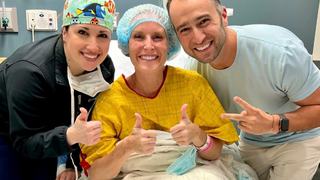
Learning you have cancer is life-changing at any age. But when you’re a teen or young adult in your 20s or 30s, the diagnosis can feel especially jarring.
One day, you’re focused on finishing school, building a career, dating, planning a wedding, or starting a family. The next, you’re navigating medical appointments, treatment decisions, and insurance questions.
Up to one third of adolescent and young adult patients with cancer have moderately to severely elevated symptoms of anxiety and depression. About half also have symptoms of post-traumatic stress. These challenges can affect mental health, quality of life, physical health, and the ability to achieve important life goals during treatment and in the months and years that follow.
The good news is that support is available.
The psycho-oncology team at the UT Southwestern Harold C. Simmons Comprehensive Cancer Center helps patients cope with the emotional, psychological, and social impacts of cancer. Psycho-oncology is a specialty that focuses on supporting the whole person – not just treating the disease – from the first tests and diagnosis through treatment, survivorship, and beyond.
One of the goals of psycho-oncology is to help young adults understand their unique developmental needs on top of their medical needs and find ways to stay engaged with life and connect with the parts of themselves that matter most.
Why young adults face unique challenges
In oncology, teens and young adults are generally defined as people diagnosed with cancer between the ages of 15 and 39. A cancer diagnosis can disrupt their life, derailing education, career, and family plans and creating challenges that older adults may not experience in the same way.

Some of the most common concerns I hear from young adult patients include:
- Feelings of isolation from peers who are generally healthy
- Interruptions to academic and career development
- Concerns about fertility and family planning
- Changes in body image and appearance
- Financial stress related to treatment costs and insurance
- Anxiety about follow-up scans and cancer recurrence
Many patients wonder: “Will I still be attractive after treatment?” “How do I tell a future partner about my cancer history?” “Can I still have children?” “How do I keep my job while undergoing treatment?” These are important questions, and they deserve thoughtful attention.
Related: Read 'Lifelong Care for Pediatric Cancer Survivors'
What to expect during your first visit
During the first appointment, your psycho-oncology provider will talk with you about your cancer history, treatment status, and any information shared by the oncology team. We may also use screening tools designed specifically for young adults with cancer to identify concerns associated with isolation, self-esteem, and healthy relationships.
Most importantly, we talk.
We want to understand what the cancer experience has been like for you. How did it feel to get the diagnosis? What has treatment been like? How are you managing in survivorship, and what challenges are you facing right now?
Some patients can benefit from help with anxiety or depression. Others are seeking support to navigate fertility concerns, relationships, communication challenges, or feelings of isolation. Some simply need space to speak openly about what they’re going through. Together, we identify what matters most to you and develop a plan that fits your goals and needs.

3 common types of therapy used in psycho-oncology
Every patient’s needs are different, so there is no one-size-fits-all approach. There are three common types of therapy used in psycho-oncology:
- Cognitive behavioral therapy (CBT): Helps you identify and evaluate patterns in thoughts, emotions, and behaviors that may be contributing to stress and issues in one’s life to arrive at more effective responses. CBT can be effective for difficulties with anxiety, depression, grief, and other concerns that commonly arise during cancer treatment and survivorship.
- Acceptance and commitment therapy (ACT): Despite its name, ACT does not require you to like or approve of what has happened to you. Instead, it focuses on making room for difficult emotions while helping you stay connected to your values and moving toward the kind of life you want to build. You can acknowledge that cancer is painful, unfair, and disruptive while still pursuing meaningful relationships, goals, and experiences.
- Meaning-centered psychotherapy: This approach was developed specifically to increase the sense of meaning and purpose among those affected by advanced cancers. It helps you explore sources of meaning, purpose, and connection during challenging circumstances.
Common topics we may address through psycho-oncology
While every young adult's cancer experience is different, certain themes come up time and again in psycho-oncology visits. Many of our treatment sessions focus on helping patients navigate challenges that extend beyond medical treatment, from relationships and communication to identity, purpose, and adjustments to life during and after cancer.
Communication and self-advocacy
Many young adults find themselves navigating a complex healthcare system for the first time. Part of our work involves helping you identify your needs, communicate effectively with your care teams, advocate for yourself, and have difficult conversations with family members, friends, partners, or employers.
Letting go of toxic positivity
Well-meaning people often say things like: “Everything happens for a reason.” “Just stay positive.” “Keep fighting.” While these comments are intended to be supportive, they can sometimes leave you feeling unheard or dismissed.
Cancer is hard. It’s OK to feel scared, angry, sad, frustrated, or uncertain. One of the most important things we do in therapy is to create space for the full range of emotions that can accompany cancer. You shouldn’t feel pressured to be positive all the time.
Navigating faith and spirituality
For some patients, cancer raises difficult spiritual questions. You may wonder why this happened, question long-held beliefs, or struggle to reconcile your diagnosis with your faith. We work closely with the spiritual care team and other supportive care specialists to help you explore these concerns in ways that align with your personal beliefs and values.
Working through guilt
Young adults with cancer can experience several forms of guilt. Some may wonder whether they somehow caused their cancer. Others may experience survivor’s guilt after seeing peers with more advanced disease or poorer outcomes. Still others may feel guilty because they aren’t as happy or grateful as people expect them to be after treatment ends.
These reactions are more common than people realize. Talking openly about these feelings can be an important part of healing.
Finding your path forward
One of the most challenging transitions often occurs after treatment ends. Friends and family may celebrate and assume life is back to normal. But you may still be processing what happened and figuring out who you are now.
There may be lingering concerns about recurrence, fertility, relationships, career goals, or physical changes or after-effects from treatment. Rather than trying to be exactly who you were before cancer, psycho-oncology can help you define what life looks like now and build upon what remains meaningful moving forward.
Tips to support a loved one with cancer
Many people want to help but aren’t sure what to say after a cancer diagnosis. The most helpful support often starts with listening and offering help when and where it counts.

Helpful things to say:
- “I care about you, and I’m here for you.”
- “I’m here to be a listening ear or to help think through what to do.”
- “I can do X, Y, or Z for you. What would feel most helpful now?”
- “We don’t have to talk about cancer if you don’t want to. What else would you like to do or talk about together?”
- “Would you like me to come to an appointment and take notes?”
Avoid saying:
- “Everything happens for a reason.”
- “Have you tried cutting out sugar?”
- “God won’t give you anything you can’t handle.”
- “Just stay positive.”
- “Look at the silver lining.”
- “It could be worse.”
- “Keep fighting.”
- “Your cancer journey is so inspiring.”
Support doesn’t require having the perfect words. Often, simply showing up and being present can make the biggest difference.
Practical ways to help:
- Provide transportation to appointments.
- Bring meals or help with errands.
- Offer childcare or pet care.
- Attend medical appointments with them.
- Check in regularly, especially after treatment ends.

The Young Adult Cancer Support (YACS) Program offered through Harold C. Simmons Comprehensive Cancer Center at UT Southwestern offer opportunities to connect with others who understand the unique challenges of experiencing cancer at a younger age. Meetings are held in Dallas and Fort Worth.
Support beyond therapy
Along with psycho-oncology, patients at UT Southwestern have access to a wide range of supportive care services, including:
- Support groups: Talking with others who understand the cancer experience can reduce feelings of isolation.
- Social work services: Social workers help patients deal with practical concerns such as transportation, financial stress, caregiving needs, and family communication.
- Nutrition counseling: Registered dietitians can help patients maintain strength and well-being during treatment.
- Spiritual support: Ministry is available to people of all faiths as well as those who claim no faith or no religious affiliation.
- Music therapy: Board-certified music therapists use a variety of evidence-based techniques and methods of applying music to foster therapeutic outcomes for patients and families.
- Palliative care: Palliative care experts work with patients who have life-threatening illnesses to help manage symptoms, relieve pain, and improve quality of life throughout treatment.
Young adults may also benefit from peer support programs such as the Young Adult Cancer Support (YACS) groups in Dallas and Fort Worth. There are also national organizations focused specifically on teen and young adult patients and survivors of cancer, including Stupid Cancer and Elephants and Tea.
Cancer may become part of your story, but it does not define who you are. Our goal in psycho-oncology is to help you stay connected to your values, strengths, relationships, and the life you want to build – both during and after cancer treatment.
To talk with an expert about psycho-oncology, request a referral from your oncology team by calling 214-645-8300 or request an appointment online.