


Combining attentive, compassionate care with our extensive clinical and research resources, UT Southwestern's cardiology experts and vascular specialists deliver individualized care within pre-eminent health care facilities.
Cardiovascular Disease
New Patient Appointment or 214-645-8000

Nationally Ranked by U.S. News & World Report
UT Southwestern Medical Center is recognized by U.S. News & World Report as one of the nation's top 20 hospitals for heart and vascular surgery.

UT Southwestern’s cardiovascular specialists use the latest diagnostic tools and treatments to help our patients live longer, healthier lives.
We’re also committed to pioneering research that transforms how cardiovascular disease is understood and treated.

Why Choose UT Southwestern for Cardiovascular Disease Care?
Cardiovascular disease is a general term for a range of conditions that affect the structure and function of the heart and blood vessels. These disorders often involve narrowed or blocked arteries (atherosclerosis), which can restrict blood flow and lead to serious health events, including a heart attack, chest pain (angina), or stroke.
At UT Southwestern, our team of cardiologists and cardiovascular surgeons is dedicated to comprehensive, personalized care. Experience matters when choosing a care team for cardiovascular disease.
We’re leaders in endovascular and minimally invasive procedures that offer patients less risk, shorter hospital stays, and faster recovery times. Our cardiovascular surgery group is one of the nation’s leading programs, performing more than 600 open-heart surgeries each year.
In addition to being a program top-ranked by U.S. News and World Report, we’re one of only 24 hospitals in the U.S. to be certified as a Comprehensive Cardiac Center by The Joint Commission and the American Heart Association, representing the highest standard of care.
Our clinicians and scientists participate in a wide range of research projects and apply the latest findings to give patients access to the most up-to-date breakthroughs in cardiovascular medicine.

What Are the Types of Cardiovascular Disease?
Our specialists treat the full spectrum of cardiovascular disease, including:
- Coronary artery disease (CAD): CAD is the most common type of heart disease and is caused by the buildup of plaque in the arteries that supply blood to the heart. This can lead to chest pain (angina), heart attack, and heart failure.
- Congestive heart failure (CHF): Also called heart failure, CHF is a long-term, progressive condition in which the heart muscles become too weak or too stiff to pump enough blood to adequately supply the body with oxygen.
- Heart valve disorders: These conditions occur when one or more of the heart's valves do not work properly, affecting blood flow through the heart.
- Heart rhythm disorders: The heart beats because of electrical signals that start in the upper right chamber. If these signals don’t follow the regular path, they can cause an irregular heartbeat, known as an arrhythmia.
- Congenital heart disease: The most common birth defect, congenital heart defects include abnormal formation of heart valves, holes in the heart, obstruction of blood flow through the heart chambers and blood vessels, and abnormal formation of blood vessels taking blood to or from the heart.
- Cardiomyopathies: Cardiomyopathies, which include dilated cardiomyopathy and hypertrophic cardiomyopathy, make it harder for the heart to beat.
What Are the Risk Factors for Cardiovascular Disease?
Controllable risks for cardiovascular disease include:
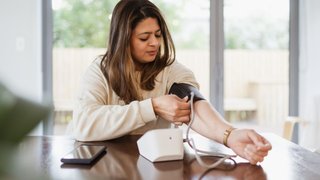
- High blood pressure (hypertension): High blood pressure damages blood vessels and forces the heart to work harder. This increases the risk of heart attack, stroke, and other cardiovascular diseases.
- Abnormal blood lipid levels: People with high LDL (the “bad” cholesterol) and triglycerides, along with low HDL (the “good” cholesterol), have a greater risk of heart disease.
- High blood glucose (sugar) levels: Over time, high blood levels of glucose can lead to Type 2 diabetes, which increases the risk of heart disease.
- Obesity: Obesity is defined by the Centers for Disease Control and Prevention (CDC) as a body mass index (BMI) of 30 or higher.
- Enlarged waist size: Carrying excess fat around the waist raises heart disease risk. In general, this means a waist measurement of more than 40 inches for men and more than 35 inches for women.
- Diet: Eating foods high in saturated fats, trans fats, sodium, and sugar can raise the risk of cardiovascular disease.
- Smoking
- Excessive alcohol consumption
Some risk factors, such as age, family history, sex, and ethnicity, can’t be controlled, but patients should keep them in mind when thinking about overall cardiovascular risk.
Women's Health and Cardiovascular Disease
While women and men share many of the same risk factors for cardiovascular disease, some risks are unique to women. They may be influenced by hormones, pregnancy, and menopause. Women may also have different symptoms than men, leading to under-recognition and delayed treatment.
For example, women are more at risk for:
- Spontaneous coronary artery dissection (SCAD): More common in women who have just given birth
- Coronary vasospasm: Occurs in both men and women, but the signs are different for women
- Microvascular dysfunction: More common in women, and may cause symptoms even when major arteries appear normal
UT Southwestern doctors Katy Lonergan, M.D., and Rina Mauricio, M.D., specialize in women’s cardiovascular health and are trained to help women manage their cardiovascular risks.

What Are the Symptoms of Cardiovascular Disease?
Symptoms of cardiovascular disease vary depending on the condition. Some common signs and symptoms include:
- Chest pain, pressure, tightness, or discomfort (angina)
- Shortness of breath
- Pain, numbness, weakness, or coldness in the legs or arms
- Dizziness, lightheadedness, or fainting
- Fatigue
- Swelling in the legs, ankles, or feet (edema)
If someone experiences any of these symptoms, especially chest pain or shortness of breath, they should seek medical attention immediately.
How Is Cardiovascular Disease Diagnosed?
At UT Southwestern, we use the latest diagnostic technologies to accurately identify cardiovascular conditions. Diagnosis typically begins with a thorough physical exam and a review of the patient’s medical and family history.
Depending on the symptoms and risk factors, we may recommend one or more of the following cardiac tests:
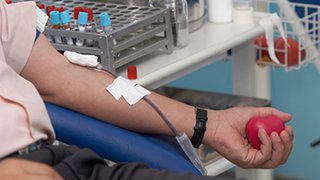
- Blood tests: Check for markers that can indicate heart damage or an increased risk of atherosclerotic disease
- Electrocardiogram (ECG or EKG): Records the electrical activity of the heart to detect irregular rhythms and other issues
- Echocardiogram: Shows the heart’s structure, valves, and pumping function
- Stress test: Sees how the heart performs during physical activity, which can reveal problems with blood flow
- Cardiac catheterization: Examines the heart's arteries for blockages using X-ray imaging
- Advanced cardiac imaging: Creates highly detailed pictures of your heart, aorta, and blood vessels using magnetic resonance imaging (MRI) or a computed tomography (CT) scan

How Is Cardiovascular Disease Treated?
Our team works with patients to create a treatment plan tailored to their specific condition and goals. Treatment may include:
- Lifestyle changes: A heart-healthy diet, regular physical activity, quitting smoking, and managing stress are foundational to treating and preventing heart disease.
- Medications: Many different medications are used to treat cardiovascular disease, including those that lower blood pressure, cholesterol, and the risk of blood clots, or help manage symptoms of heart failure.
- Minimally invasive and interventional procedures:
- Angioplasty and stenting to open blocked arteries and restore blood flow
- Transcatheter aortic valve replacement (TAVR) and MitraClip® repair
- Catheter ablation for arrhythmias
- Endovascular repair of aortic aneurysms
Surgery for Cardiovascular Disease
For more advanced cases of cardiovascular disease, we offer a wide range of procedures and surgeries, including:
- Coronary artery bypass surgery (CABG) to reroute blood flow around a blocked artery
- Heart valve repair or replacement, including minimally invasive techniques to fix or replace a damaged heart valve
- Left ventricular assist device (LVAD) surgery to support patients whose hearts are failing
- Pacemaker or implantable cardioverter-defibrillator (ICD) implantation to correct arrhythmias and regulate the heartbeat
- Heart transplantation for patients with end-stage heart failure

What Support Services for Cardiovascular Disease Does UT Southwestern Offer?
We believe in treating the whole patient, not just the disease. Our Preventive Cardiology Program and Outpatient Cardiac Rehabilitation Program provide comprehensive support to help patients manage their condition and improve their quality of life.
Our support services include:
- One-on-one nutritional counseling
- Medically supervised exercise programs
- Specialized cholesterol management
- Education and counseling to help patients and families navigate the care journey
What Clinical Trials Does UT Southwestern Offer for Cardiovascular Disease?
As a leading academic medical center, UT Southwestern works to develop the next generation of cardiovascular therapies. We offer our patients access to a wide range of clinical trials exploring new treatments and preventive strategies.
Talk to our doctors about current clinical trial opportunities or search for a clinical trial.
Related Conditions and Treatments
- Angina
- Cardiac Testing
- Cardiothoracic Surgery
- Congenital Heart Disease
- Congestive Heart Failure
- Coronary Artery Disease
- Dilated Cardiomyopathy
- Heart Attack
- Heart Bypass Surgery
- Heart Rhythm Disorders
- Heart Transplant
- Heart Valve Disorders
- High Blood Pressure
- Hypertrophic Cardiomyopathy
- LVAD Surgery
- Pacemaker Surgery
- Stroke

Find a Clinical Trial
Search for opportunities to participate in a clinical research study.

Award-Winning Care
We’re one of the world’s top academic medical centers, with a unique legacy of innovation in patient care and scientific discovery.

UTSWMyCare
UT Southwestern’s patient care app – UTSWMyCare – helps you easily manage your health and stay connected to UTSW and your provider, all in a secure and safe environment.
MedBlog



Results: 2 Locations
Clinical Heart and Vascular Center
at West Campus Building 3 2001 Inwood Road, 5th FloorDallas, Texas 75390 214-645-8000 Directions to Clinical Heart and Vascular Center at West Campus Building 3, Dallas Parking Info for Clinical Heart and Vascular Center