


Our team of hundreds of leading cancer physicians and oncology-trained support staff is a trusted partner in returning patients with cancer to good health.
New Patient Appointment or 214-645-4673
UT Southwestern’s melanoma specialists offer extensive expertise and experience, along with innovative therapies to detect skin cancer early and treat melanoma.
What Is Melanoma?
Melanoma – also called malignant melanoma – is an aggressive type of skin cancer that develops in the skin cells that produce melanin (melanocytes).
- Melanoma can occur anywhere on the body – even under the nails and in the mucous membranes. In people with dark skin, it commonly occurs on the soles of the feet and the palms.
- The disease has become more prevalent in the past several decades, with an estimated 112,000 new cases diagnosed in the U.S. in 2026.
- Melanoma comprises only about 1% of skin cancer cases – making it the rarest form of skin cancer – but it causes the highest number of skin cancer-related deaths.
- Melanoma is the fourth most common type of cancer among men and the fifth most common among women, and one of the most common cancers among young adults.
- Melanoma has a higher risk of spreading to other parts of the body (metastasizing) than many other types of cancer.
- In 2025, an estimated 8, people died of melanoma in the U.S.
What Are the Types of Melanoma?
There are three main types of melanoma:
Cutaneous Melanoma
This type arises in the skin and has four subtypes:
- Superficial spreading melanoma: The most common type of melanoma
- Nodular melanoma: The second most common type of melanoma
- Lentigo maligna melanoma: An uncommon type of melanoma that typically arises in fair-skinned women older than 50 as flat lesions on the face
- Acral lentiginous melanoma: An uncommon type of melanoma – more prevalent in people with darker skin – that develops on the palms, under the nails, or on the soles of the feet
Mucosal Melanoma
Comprising only about 1% of melanoma cases, mucosal melanoma develops in the mucous membranes, including those in the mouth, nose, throat, urinary tract, vagina, and rectum.
Ocular (Intraocular) Melanoma
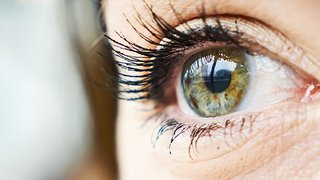
This type of melanoma affects the eyes and can develop in the eyeball (uveal) or the lining of the eyelid (conjunctival).
Why Choose UT Southwestern for Melanoma Treatment?
As the only National Cancer Institute-designated Comprehensive Cancer Center in North Texas, UT Southwestern delivers the best cancer care available and pushes to discover new treatments that will lead to brighter futures.
Our experts diagnose and treat all types of skin cancer – from the most common to the very rare – and deliver the advanced screening, precise diagnostics, and pioneering treatments that are leading to better-than-ever patient outcomes. Our team works closely with patients to develop tailored care plans that are based on each person’s unique condition, overall health, and treatment goals and preferences.
Highlights of our program include:
- An integrated, multidisciplinary team that includes dermatologists, surgical and radiation oncologists, medical oncologists, pathologists, and radiologists – all of whom take a personalized, evidence-based approach to skin cancer diagnosis and care
- A focus on screening, early detection, and accurate diagnoses – all key to successful skin cancer treatment
- The most sophisticated diagnostic tools available, including highly specialized dermatopathology testing and in-house molecular profiling
- Expertise in all types of skin cancer surgery, including Mohs surgery, tumor excision, and regional lymph-node dissection
- Leadership in the use of stereotactic radiosurgery – including tools such as the Gamma Knife and CyberKnife – to treat some cases of skin cancer
- Immunotherapies, such as immune checkpoint inhibitors, which stimulate the immune system to target and kill skin cancer cells
- Targeted therapies, which use drugs to target abnormal proteins in tumor cells
- Opportunities for patients to enroll in clinical trials of promising new protocols aimed at improving skin cancer diagnoses and treatments that are not yet available to the public
- A comprehensive variety of cancer support services
What Are the Symptoms of Melanoma?
The most common symptom of melanoma is a mole that:
- Has irregular edges or is asymmetrical in shape or size
- Changes in shape, size, or color
- Is more than one color
- Itches, bleeds, or oozes
However, melanoma might develop without a mole or without change to a mole. Other signs to look for include:
- Pigment that spreads from a spot on the skin into surrounding areas
- Irritation or swelling outside a mole’s border
- Dark streaks under the nails
- Dark spots in the iris of the eye
- Sores that don’t heal in the nose or mouth
What Are Melanoma Risk Factors?
Due to risk factors such as age, race, gender, and family history, melanoma can’t be completely prevented. For example:
- Melanoma is much more prevalent among Caucasians (1 in 33 lifetime risk) than it is among African Americans (1 in 1,000) and Hispanics (1 in 200).
- The risk of melanoma increases as people age. The average age at diagnosis is 66.
- Melanoma occurs more often in men than it does in women. More than 59,000 men and nearly 41,000 women in the U.S. were estimated to have been diagnosed with the disease in 2024.
But people can take steps to limit their risk for developing melanoma and improve their chances for early detection. Up to 90% of melanomas result from ultraviolet (UV) radiation overexposure; the sun is the most common source of UV that most people experience.
To reduce their sun exposure, we recommend that people:
- Stay in the shade
- Wear a broad-spectrum sunscreen with an SPF 30 rating or higher
- Wear protective clothing when in the sun, including a long-sleeved shirt, hat, and protective sunglasses
- Avoid tanning beds, which also generate UV rays
In addition, we recommend that everyone regularly examine their skin for abnormal moles.

What Are the Stages of Melanoma?
Our physicians determine a melanoma’s stage – the severity and extent to which it has metastasized beyond the primary location – by considering these factors:
- The location(s) of the disease
- The thickness and other features of the primary melanoma tumor
- Whether – and to what extent – melanoma cells have spread to the lymph nodes or other parts of the body
- The results of a lactate dehydrogenase (LDH) blood test
There are five stages of melanoma:
- Stage 0 (in situ): Pre-melanoma that has the potential to become melanoma
- Stage I: Early, localized disease with no melanoma in the lymph nodes
- Stage II: Fairly early, fairly localized disease that is slightly more advanced than Stage I, with no melanoma in the lymph nodes
- Stage III: Disease that has spread to areas in the skin near the primary location or the lymph nodes near the melanoma
- Stage IV (metastatic): Disease that has spread via the lymph nodes or the bloodstream to distant parts of the body – most commonly the lungs, liver, bones, and brain.
How Is Melanoma Diagnosed?
UT Southwestern’s skin cancer specialists offer the following tests to evaluate and diagnose melanoma. All diagnostic tests help us determine the most appropriate, evidence-based course of treatment.
- Biopsy: If a spot on the skin appears to be cancerous or precancerous, a small sample of the suspicious tissue is removed for microscopic evaluation by a dermatopathologist. If melanoma is confirmed, additional testing is conducted to determine its exact type and to identify any abnormal genes, including the melanoma BRAF gene. Knowing the specifics of a melanoma’s genetic makeup can sometimes help doctors determine the treatment most likely to benefit each patient.
- Imaging: Technologies such as computed tomography (CT), positron emission tomography (PET), magnetic resonance imaging (MRI), and X-rays might be used to determine if melanoma has spread to other parts of the body.
How Is Melanoma Treated?
UT Southwestern offers a range of advanced therapies that have helped many people with melanoma – including metastatic melanoma – live well for years after diagnosis. Melanoma treatment options include:
- Surgery
- Radiation therapy
- Immunotherapy
- Chemotherapy
- Targeted therapy
Related Conditions and Treatments

We have a wide range of clinical trials open to patients with all types and stages of cancer. Search for opportunities to participate in a cancer study.

We’re one of the world’s top academic medical centers, with a unique legacy of innovation in patient care and scientific discovery.

MedBlog








Results: 7 Locations
UT Southwestern Monty and Tex Moncrief Medical Center at Fort Worth
600 South Main StreetFort Worth, Texas 76104 214-645-8300 Directions to UT Southwestern Monty and Tex Moncrief Medical Center at Fort Worth, Fort Worth Parking Info for UT Southwestern Monty and Tex Moncrief Medical Center at Fort Worth
Dermatology
at UT Southwestern Frisco 12500 Dallas Parkway, 3rd FloorFrisco, Texas 75033 469-604-9010 Directions to Dermatology at UT Southwestern Frisco, Frisco Parking Info for Dermatology
Dermatology Clinic
at Professional Office Building 2 5939 Harry Hines Blvd., 4th Floor, Suite 100Dallas, Texas 75235 214-645-2400 Directions to Dermatology Clinic at Professional Office Building 2, Dallas Parking Info for Dermatology Clinic
Melanoma and Sarcoma Clinic
at Cancer Care Outpatient Building 6202 Harry Hines Blvd., 9th FloorDallas, Texas 75235 (214) 645-4673 Directions to Melanoma and Sarcoma Clinic at Cancer Care Outpatient Building, Dallas Parking Info for Melanoma and Sarcoma Clinic
Ophthalmology Clinic
at James W. Aston Ambulatory Care Center 5303 Harry Hines Blvd., 6th FloorDallas, Texas 75235 214-645-2020 Directions to Ophthalmology Clinic at James W. Aston Ambulatory Care Center, Dallas Parking Info for Ophthalmology Clinic
Plastic Surgery Clinic
at Outpatient Building 1801 Inwood Road, 5th FloorDallas, Texas 75235 214-645-6916 Directions to Plastic Surgery Clinic at Outpatient Building, Dallas Parking Info for Plastic Surgery Clinic