

Find a Clinical Trial
Search for opportunities to participate in a clinical research study.
New Patient Appointment or 214-645-8300
Parathyroid glands produce parathyroid hormone, which is important for the regulation of both calcium and phosphorous. Disorders of the parathyroid gland can disrupt the balance of calcium and phosphorous in the body.
With proper diagnosis and skilled treatment, many patients are able to successfully manage their parathyroid conditions. UT Southwestern Medical Center’s experienced endocrinologists and endocrine surgeons expertly evaluate, diagnose, and treat parathyroid disease.
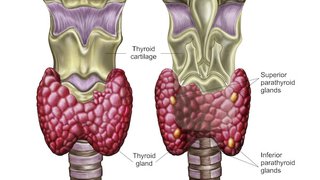
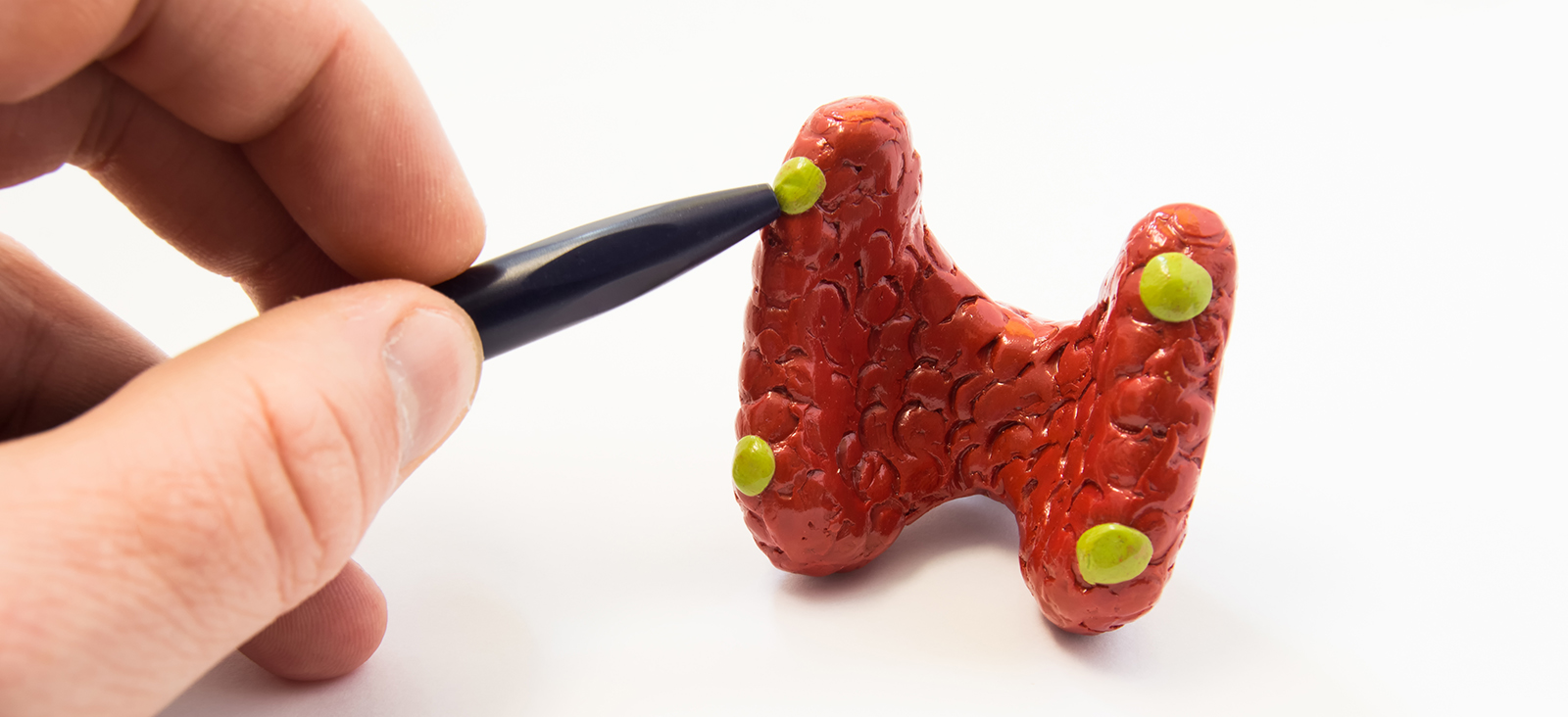
The parathyroid gland – located next to the thyroid gland – secretes parathyroid hormone, which regulates calcium and phosphorus in our bodies. Despite its proximity to the thyroid gland, the parathyroid gland is a separate part of the endocrine system and can develop its own unique issues.
UT Southwestern’s skilled endocrinologists and endocrine surgeons treat parathyroid conditions that include:
For people suspected of having a parathyroid condition, UT Southwestern endocrinologists conduct a complete history and physical examination.
This is usually followed by laboratory tests of blood and urine – to analyze levels of hormones, immunoglobulins, calcium, and phosphorus – and might include other lab tests.
Imaging studies might be used, such as neck ultrasound, nuclear medicine scanning of the parathyroid, and computed tomography (CT) scanning. Occasionally, fine needle aspiration from suspicious parathyroid tissue is performed.
The treatment of parathyroid gland disorders depends on the specific condition. UT Southwestern offers treatments that include:
Search for opportunities to participate in a clinical research study.
We’re one of the world’s top academic medical centers, with a unique legacy of innovation in patient care and scientific discovery.