
Our team of hundreds of leading cancer physicians and oncology-trained support staff is a trusted partner in returning patients with cancer to good health.
Lung Cancer
New Patient Appointment or 214-645-4673

Lung cancer originates in the lungs, the organs located in the chest that control breathing. Lung cancer is the leading cause of cancer deaths in both men and women in the U.S., and it often spreads without symptoms.
The most common cause of lung cancer is cigarette smoking. However, 15 percent of people diagnosed with lung cancer have never smoked.
What Are the Types of Lung Cancer?
Most lung cancers fall into two main groups. These types grow differently and often need different treatments.
Non-small Cell Lung Cancer (NSCLC)
NSCLC is the most common type of lung cancer. It tends to grow more slowly than small cell lung cancer. Main NSCLC subtypes include:
- Adenocarcinoma often begins in gland cells that make mucus. It's often found in the outer parts of the lung. Adenocarcinoma is common in current or former smokers, but it can also occur in people who never smoked.
- Squamous cell carcinoma often starts near the larger airways. It can form closer to the center of the chest. It is commonly linked to smoking.
- Large cell carcinoma can arise in many parts of the lung. It often grows and spreads faster than other NSCLC types.
Less common NSCLC subtypes include adenosquamous and sarcomatoid cancers.
Small Cell Lung Cancer (SCLC)
SCLC usually starts in the large tubes that carry air into the lungs (the bronchi) and often grows and spreads quickly. It's strongly linked to tobacco use. Main SCLC subtypes include:
- Small cell carcinoma, also called oat cell
- Combined small cell carcinoma
Less Common Types of Lung Cancer
Some tumors, called lung carcinoid tumors, start in lung neuroendocrine cells. They often grow more slowly than NSCLC and SCLC. Other rare cancers, such as pleural mesothelioma and certain lymphomas, can involve the lung area. These are treated differently than other lung cancers.

Why Choose UT Southwestern for Lung Cancer Treatment?
UT Southwestern Medical Center’s Lung Cancer Program works to help patients with lung cancer live longer, fuller lives, using early detection methods, the newest drug treatments, and innovative techniques in surgery and radiation.
As the only National Cancer Institute-designated Comprehensive Cancer Center in North Texas, we deliver the best cancer care available today and push to discover new treatments. NCI designation means we offer patients the ability to participate in the broadest possible range of clinical trials, with access to potential therapies not available at other facilities.
What Are the Symptoms of Lung Cancer?
Many people with lung cancer have no symptoms at first. When signs do appear, they can look like common illnesses, such as lung infections. Symptoms may not develop until cancer grows or spreads.
Common signs include:
- A cough that does not go away
- A cough that gets worse over time
- Shortness of breath
- Wheezing
- Chest pain or pressure
- Coughing up blood
- Hoarseness or voice changes
- Loss of appetite
- Weight loss without a clear reason
- Ongoing tiredness or low energy
- Trouble swallowing
Some symptoms, such as swelling of the face, can reflect pressure from a tumor on nearby structures. Swollen neck veins can also occur.
A person with persistent symptoms should seek medical evaluation. Coughing up blood or severe breathing trouble require urgent medical care.
How Is Lung Cancer Treated?
This complicated disease requires the highest standard of care, with experts who specialize in lung cancer and are committed to creating a personalized treatment plan that works for each patient.
At UT Southwestern, our multidisciplinary lung cancer team includes world-renowned experts, with radiologists, cytology and pathology specialists, pulmonologists, medical and radiation oncologists, thoracic surgeons, pain specialists, dietitians, and others, all located in one convenient clinic. We provide expert care for patients with any type or stage of lung cancer, including rare forms of the disease, such as mesothelioma.
Our lung cancer specialists are also highly involved in research and frequently pioneer new drug treatments that are helping to turn the tide against lung cancer. Our program is a recipient of an NCI grant awarded to only 30 U.S. research institutions, which allows our patients to benefit from special access to nationwide group trials for lung cancer.

Nationally Ranked in Cancer Care
UT Southwestern Medical Center is ranked by U.S. News & World Report as one of the nation's top 20 hospitals for cancer care, and we are rated as "High Performing" in lung cancer surgery, placing us among the leading facilities in the U.S. for this procedure.
What Support Services for Lung Cancer Does UT Southwestern Offer?
Lung cancer requires specialized care, so we take a different approach from other health care providers in North Texas. Our team leverages a variety of techniques to create an individualized treatment plan based on each patient’s needs.
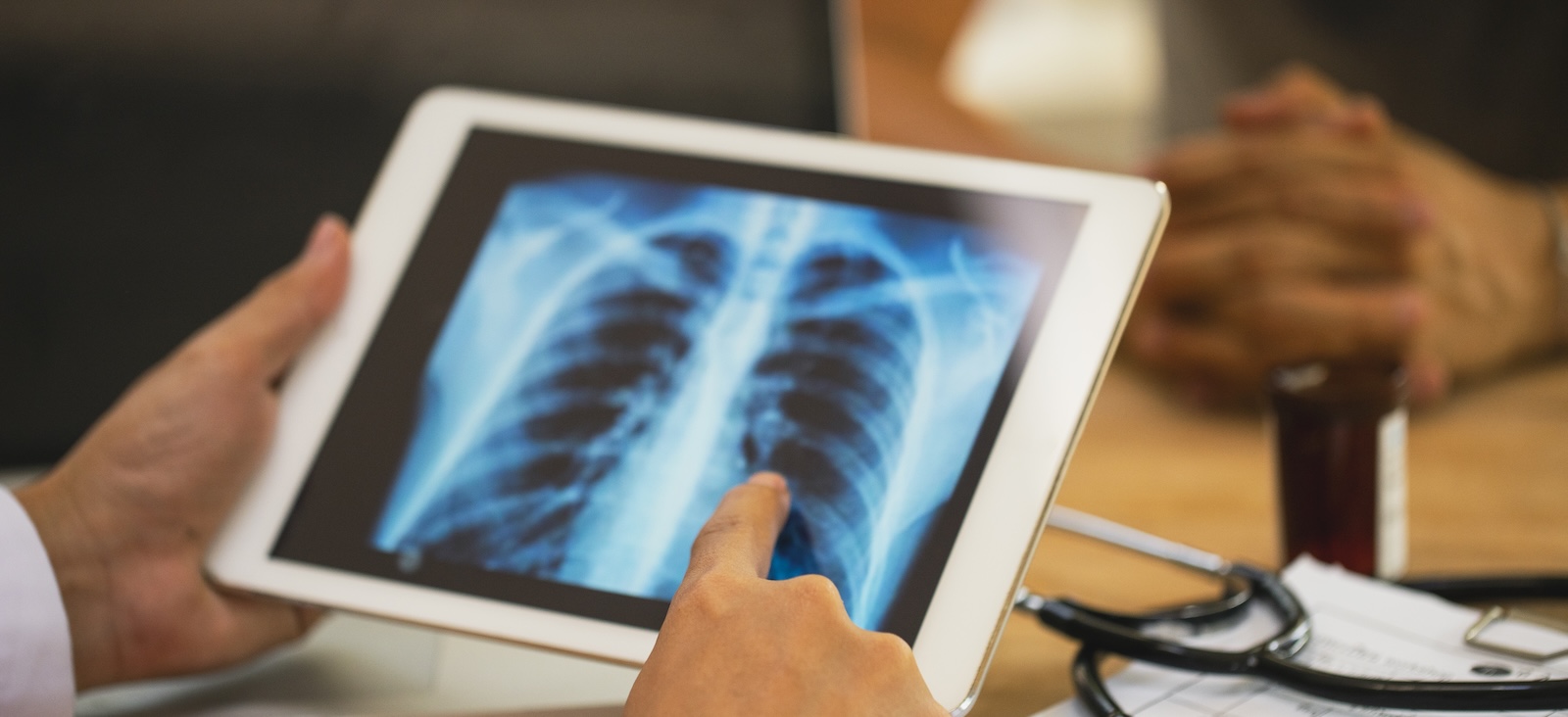
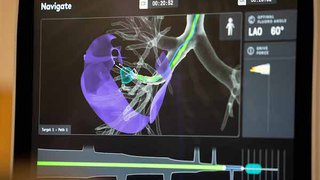
First, we work to detect and diagnose lung cancer as early as possible. We have a range of advanced diagnostic technologies.
If lung cancer is diagnosed, our team will perform additional tests to stage the cancer and determine the best course of treatment. For each patient, our team collaborates to create a customized plan of care that includes one or a combination of the latest treatment options.
In addition, we offer support services for patients and their families to help them manage every situation they experience during their cancer treatment and after.


Find a Clinical Trial
We have a wide range of clinical trials open to patients with all types and stages of cancer. Search for opportunities to participate in a cancer study.
Award-Winning Care
We’re one of the world’s top academic medical centers, with a unique legacy of innovation in patient care and scientific discovery.

MedBlog







Results: 9 Locations
Allergy, Immunology, and Pulmonary Clinic
at Professional Office Building 2 5939 Harry Hines Blvd., 9th FloorDallas, Texas 75390 214-645-6616 Directions to Allergy, Immunology, and Pulmonary Clinic at Professional Office Building 2, Dallas Parking Info for Allergy, Immunology, and Pulmonary Clinic
Cancer Care Outpatient Building
6202 Harry Hines Blvd.Dallas, Texas 75235 214-645-4673 Directions to Cancer Care Outpatient Building, Dallas Parking Info for Cancer Care Outpatient Building
Simmons Cancer Center
at UT Southwestern Medical Center at Richardson/Plano 3030 Waterview Parkway, 2nd FloorRichardson, Texas 75080 972-669-7077 Directions to Simmons Cancer Center at UT Southwestern Medical Center at Richardson/Plano, Richardson
UT Southwestern Medical Center at RedBird
3450 W. Camp Wisdom RoadDallas, Texas 75237 214-645-8300 Directions to UT Southwestern Medical Center at RedBird, Dallas Parking Info for UT Southwestern Medical Center at RedBird
Thoracic Surgery
at UT Southwestern Frisco 12500 Dallas Parkway, 2nd FloorFrisco, Texas 75033 214-645-7700 Directions to Thoracic Surgery at UT Southwestern Frisco, Frisco Parking Info for Thoracic Surgery
Thoracic Surgery
at UT Southwestern Medical Center at Coppell 2999 Olympus Blvd., 3rd FloorCoppell, Texas 75019 214-645-7700 Directions to Thoracic Surgery at UT Southwestern Medical Center at Coppell, Coppell Parking Info for Thoracic Surgery
UT Southwestern Thoracic Surgery at Texas Health Dallas
at Professional 3 8230 Walnut Hill Lane, 204Dallas, Texas 75231 214-645-7700 Directions to UT Southwestern Thoracic Surgery at Texas Health Dallas at Professional 3, Dallas Parking Info for UT Southwestern Thoracic Surgery at Texas Health Dallas
University Hospital Outpatient Imaging Services - CT Lung Screening
at Outpatient Building 1801 Inwood Road, 1st FloorDallas, Texas 75390 214-645-9729 Directions to University Hospital Outpatient Imaging Services - CT Lung Screening at Outpatient Building, Dallas Parking Info for University Hospital Outpatient Imaging Services - CT Lung Screening