


Our team of hundreds of leading cancer physicians and oncology-trained support staff is a trusted partner in returning patients with cancer to good health.
Soft Tissue Sarcomas
New Patient Appointment or 214-645-4673

Experts at UT Southwestern Medical Center specialize in soft tissue sarcomas, rare cancers that develop in the body’s connective tissues. We offer advanced diagnosis and the latest treatment options.
As the only National Cancer Institute (NCI)-designated Comprehensive Cancer Center in North Texas, we provide access to the latest diagnostic tools and treatments available. NCI designation means that we offer the broadest possible range of clinical trials, giving patients access to potential therapies not available at other facilities.


What Are Soft Tissue Sarcomas?
Soft tissue sarcomas are a group of rare cancers that begin in soft tissues such as muscles, fat, nerves, blood vessels, tendons, and the lining of joints. These tissues connect, support, and surround other body structures.
Soft tissue sarcomas are primary cancers, which means they start in soft tissues rather than spreading there from other areas. They can grow in any part of the body, most often in the arms, legs, chest, or abdomen. Soft tissue tumors, such as desmoid tumors, are benign (noncancerous).
Soft tissue sarcomas are uncommon in adults and even rarer in children. Because they can be similar to benign lumps, it’s essential to find a team with expertise in diagnosing and treating soft tissue sarcomas. Research shows that patients have better outcomes and live longer when they are treated at a multidisciplinary center that sees a high volume of soft tissue sarcoma patients.
Why Choose UT Southwestern for Soft Tissue Sarcoma Care?
The Harold C. Simmons Comprehensive Cancer Center at UT Southwestern is home to one of the nation’s most experienced teams for soft tissue sarcoma care. Our patients benefit from:
- A team of experts: Our specialists include surgical oncologists, orthopedic surgeons, thoracic (chest) surgeons, radiation oncologists, and medical oncologists with expertise in soft tissue sarcomas.
- Team-based planning: The team meets as a multidisciplinary tumor board to review each case. Together, they design a treatment plan that fits each patient’s needs, in addition to the tumor details.
- Innovative therapies: We provide the full range of treatments, from complex surgery and advanced radiation to chemotherapy, targeted therapy, and immunotherapy. Patients also have access to promising new treatments through clinical trials.
- Support beyond treatment: Patients and families receive coordinated care and support services, including physical therapy, genetic counseling, and survivorship resources.
- Research leadership: As an academic medical center, UT Southwestern leads and participates in research that drives the future of soft tissue sarcoma care.
What Are the Symptoms of Soft Tissue Sarcomas?
Symptoms can vary depending on the tumor’s size and location. Common signs include:
- A new lump or swelling that grows quickly
- Pain, numbness, or tingling, especially if the lump presses on nerves or muscles
- Limited movement or function in the affected area
- Abdominal pain or digestive issues if the tumor is in the abdomen
- Blood in the stool (poop) that can make the stool look black
Many soft tissue sarcomas cause no symptoms until they are large, which makes early evaluation important.

What Are the Types of Soft Tissue Sarcomas?
There are more than 50 types of soft tissue sarcomas. Among the soft tissue sarcomas and tumors we often treat are:
- Angiosarcoma, which starts in blood vessels or lymph vessels
- Desmoid tumors, or aggressive fibromatosis, which are locally aggressive tumors that can be found anywhere in the body
- Fibrosarcoma, which affects fibrous tissue in the legs, arms, or torso
- Gastrointestinal stromal tumors, which start in the digestive tract, often in the stomach or small intestine
- Kaposi sarcoma, which is driven by a virus and most commonly found in the skin
- Leiomyosarcoma, which develops in smooth muscle tissue, such as the uterus, stomach, or intestines
- Liposarcoma, which begins in fat cells, often in the abdomen or thigh
- Peripheral nerve sheath tumors, which start in the cells that surround nerves
- Rhabdomyosarcoma, which grows in skeletal muscles (muscles that move the body) and is the most common soft tissue sarcoma in children and teens
- Synovial sarcoma, which usually starts in tissues around joints in the arms or legs
- Undifferentiated pleomorphic sarcoma, a common type of soft tissue sarcoma that usually occurs in the arms, legs, or the back part of the abdomen
How Are Soft Tissue Sarcomas Diagnosed?
Because soft tissue sarcomas are so diverse, an accurate diagnosis is crucial for planning the right treatment. At UT Southwestern, our sarcoma team uses advanced imaging and lab (pathology) techniques to diagnose soft tissue sarcomas and plan the most effective treatment. Tests may include:
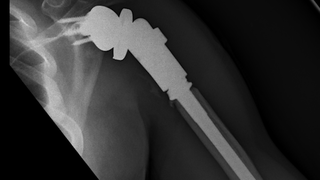
- X-ray: We may do an X-ray of a lump as the first test. X-rays can also show whether a sarcoma has spread to the lungs.
- Magnetic resonance imaging (MRI): These scans use powerful magnets and radio waves to create detailed pictures of tumors and surrounding tissues. We use MRI to measure tumors and see how they affect nearby structures.
- Computed tomography (CT) scans: CT scans combine X-rays taken from multiple angles to provide cross-sectional images. This imaging is especially helpful for soft tissue sarcomas in the chest or abdomen and can show whether cancer has spread to the lungs or other areas.
- Ultrasound: This imaging uses high-frequency sound waves to create images of the inside of the body. We may use ultrasound before a biopsy to see if a lump contains fluid (which may be a cyst) or is solid (which is more likely to be a tumor).
- Positron-emission tomography (PET) scans: We inject a radioactive sugar into a vein, and cancer cells absorb large amounts of the sugar because they grow faster than other cells. A special camera captures images that highlight areas of rapid cell growth, which can mean cancer.
- Biopsy: We take a small sample of tumor tissue to view under a microscope to confirm a diagnosis and identify the sarcoma type.

How Are Soft Tissue Sarcomas Treated?
At UT Southwestern, our sarcoma specialists work together to tailor care for each patient. Our approach to treatment planning evaluates the type of sarcoma, its size and location, and whether it has spread. Treatment options may include:
- Surgery: This is the primary treatment for most soft tissue sarcomas. Our surgeons aim to remove the tumor completely with a margin of healthy tissue, while preserving nearby nerves, muscles, and organs.
- Radiation therapy: High-energy radiation beams can shrink tumors before surgery and reduce the risk of recurrence afterward. Advanced techniques allow precise targeting of tumors while protecting nearby organs and other tissues.
- Chemotherapy: These medicines destroy cancer cells, and we may use them alone or in combination with surgery or radiation therapy. We may use chemotherapy to shrink tumors before surgery, to destroy remaining cancer cells after surgery, or to treat sarcomas that have spread. Chemotherapy is especially effective for certain types of soft tissue sarcomas, such as synovial sarcoma and angiosarcoma.
- Targeted therapy: These cancer medications are designed to block specific gene mutations or proteins that help cancer cells grow. Targeted therapies may be an option for advanced soft tissue sarcomas or cancer that has come back after treatment (recurrent).
- Immunotherapy: These treatments boost the body’s immune system to help it recognize and attack cancer cells. Immunotherapy can be an option for people who have advanced or recurrent soft tissue sarcomas.
- Ablation (interventional radiology): This minimally invasive procedure uses image-guided techniques to destroy cancer cells with extreme heat, cold, or microwaves. It can help control pain, reduce tumor size, or treat areas that cannot be removed surgically.
What Support Services for Soft Tissue Sarcomas Does UT Southwestern Offer?
Living with cancer and adjusting after treatment can bring many challenges, which is why supportive care is so important. Our dedicated team works closely with patients and families throughout the journey, offering guidance, resources, and encouragement at every stage of soft tissue sarcoma care.
Cancer supportive care at UT Southwestern includes:
- Cancer psychology: Meet with a licensed clinical psychologist who is specially trained to help cancer patients.
- EMBRACE Survivorship: EMBRACE is a half-day survivorship symposium designed to assist patients and their families with physical, emotional, and practical issues that can arise during the cancer journey.
- Integrative therapies: Activities such as guided imagery, meditation, and expressive writing aim to improve patients’ well-being and quality of life during and after cancer treatment.
- Oncology nutrition: Our dietitians help patients make informed food choices that are best for their health at various stages of cancer treatment and beyond.
- Oncology rehabilitation: Cancer rehabilitation specialists help patients and survivors maintain or return to their optimal function and quality of life.
- Oncology social work: Social workers trained to work with cancer patients are available to assist with any challenges faced during or after treatment.
- Spiritual support: Our chaplains offer interfaith support for patients and their families and caregivers.
- Support groups and classes: Meeting with others in similar situations can be helpful and cathartic.
What Clinical Trials Are Available for Soft Tissue Sarcomas?
As a top academic medical center, UT Southwestern gives patients the opportunity to participate in cutting-edge clinical trials that are not available at most hospitals. These studies provide additional options when standard treatments are not enough.
In partnership with Children’s Health, an affiliated pediatric health system, our teams offer clinical trials for adults and children with soft tissue sarcomas. Current and upcoming studies are exploring new approaches, including targeted therapies, immunotherapy, surgery, and other innovative treatments. We offer options for patients at every stage of disease, even when cancer has spread.
Related Conditions and Treatments

Find a Clinical Trial
Search for opportunities to participate in a clinical research study.
Award-Winning Care
We’re one of the world’s top academic medical centers, with a unique legacy of innovation in patient care and scientific discovery.

UTSWMyCare
UTSWMyCare is your convenient, one-stop, accessible, connected, on-the-go health resource.
MedBlog
Results: 3 Locations
Hematology and Medical Oncology
at UT Southwestern Harold C. Simmons Comprehensive Cancer Center at Moncrief Cancer Institute 400 W. Magnolia AvenueFort Worth, Texas 76104 817-288-9700 Directions to Hematology and Medical Oncology at UT Southwestern Harold C. Simmons Comprehensive Cancer Center at Moncrief Cancer Institute, Fort Worth Parking Info for Hematology and Medical Oncology
Otolaryngology Clinic
at West Campus Building 3 2001 Inwood Road, 6th and 7th FloorDallas, Texas 75390 214-645-8898 Directions to Otolaryngology Clinic at West Campus Building 3, Dallas Parking Info for Otolaryngology Clinic